




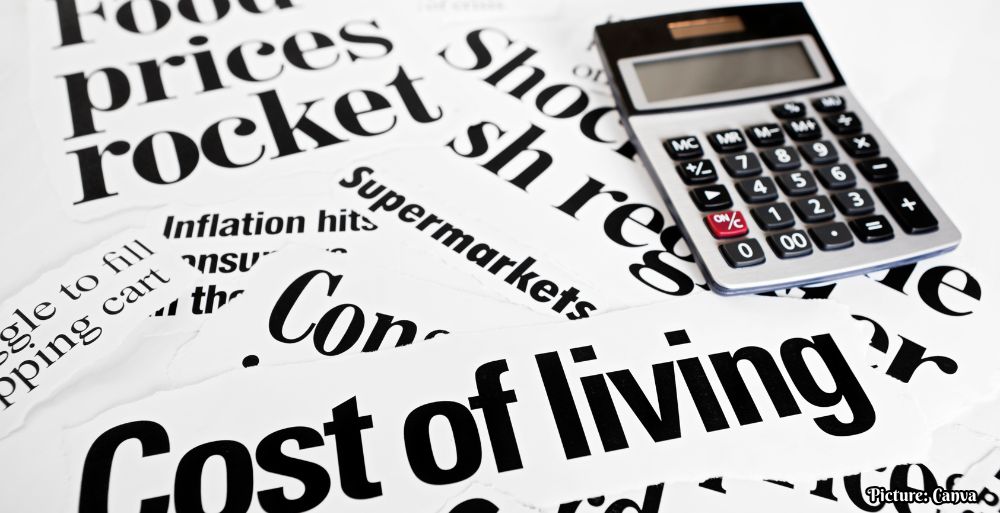
According to a recent survey by the McKinsey Institute for Economic Mobility and the WK Kellogg Foundation, a significant majority of Americans identify rising living costs as the primary obstacle to achieving a better quality of life.
A survey conducted in mid-April 2023 by the McKinsey Institute for Economic Mobility and the WK Kellogg Foundation has revealed that a considerable majority of Americans perceive the escalating cost of living as a major barrier to achieving financial security and an improved quality of life. This survey, which involved over 30,000 adults from various backgrounds across the United States, indicates a growing consensus among the population regarding the financial challenges they face.
When participants were asked to envision a better life in the next three to five years, 60% expressed a desire for greater financial security. Respondents commonly defined this financial security in terms of the ability to afford basic necessities without undue anxiety. For instance, a 35-year-old resident of Dearborn Heights, Michigan, articulated that a better life for his family would entail owning a home and covering essential expenses such as rent, utilities, food, healthcare, and saving for future needs, including retirement and vacations.
Perception of Financial Vulnerability
The survey highlights a stark reality for many Americans: 40% of respondents characterized their financial situation as either “getting by but financially vulnerable” or “struggling to meet basic needs.” This sentiment underscores a widespread feeling of economic insecurity that extends across different demographics. Notably, grocery and food costs emerged as the foremost concern, with 90% of respondents ranking it as their top cost-of-living issue, followed closely by housing, transportation, and healthcare expenses.
A 49-year-old father from Philadelphia shared his perspective, emphasizing that his definition of success did not encompass extravagant living but rather the ability to afford mundane expenses, such as his child’s school field trips or assisting a family member in financial distress. He stated, “I just want to be comfortable,” reflecting a sentiment echoed by many survey participants.
Economic Disparities and Public Sentiment
The findings of this survey further illustrate the disconnect between the experiences of everyday Americans and broader economic trends. While the U.S. stock market has recently reached record highs and investment in artificial intelligence continues to surge, many Americans are grappling with the repercussions of inflation that outpaces wage growth. A recent Harris poll corroborated these concerns, revealing that 95% of Americans believe the nation is facing an affordability crisis.
JP Julien, a partner at McKinsey involved in the research, noted during a news briefing that conventional economic indicators—such as jobs reports, quarterly GDP growth, and interest rate fluctuations—fail to capture the lived experiences of individuals navigating the economy daily. He explained, “While we spend a lot of time discussing some of these macroeconomic indicators, they alone can’t help us understand how people are actually experiencing the economy in their day-to-day lives.” This perspective emphasizes the importance of understanding economic challenges from the viewpoint of those directly affected.
Diverging Needs in Urban and Rural Areas
While there is a broad consensus regarding affordability as a key barrier to improved quality of life, respondents diverged in their views on necessary improvements. Those in rural areas were more inclined to identify the need for better job opportunities and career pathways, whereas urban respondents expressed a greater demand for affordable housing and enhanced safety in their neighborhoods.
Moreover, the survey revealed that 60% of participants believe local, state, and federal governments bear responsibility for helping individuals advance their financial situations. However, only 30% of respondents felt that government institutions have been effective in providing such support. In contrast, friends and family were rated as the most helpful resources, followed by employers.
Community Connectedness and Outlook on Life
The survey also highlighted the correlation between community connectedness and the perception of personal control over one’s life and future. Respondents who reported feeling a strong connection to their communities were more than twice as likely to believe they had control over their lives and nearly four times as likely to feel a sense of momentum in their lives. Despite this, only one-third of participants indicated that they experienced a strong sense of community. A 61-year-old respondent from Los Angeles expressed concern about the lack of community engagement, stating, “There are a few people that we know, but for the most part, most people keep to themselves.” This observation raises questions about the role of community dynamics in addressing economic concerns.
In conclusion, the survey conducted by the McKinsey Institute for Economic Mobility and the WK Kellogg Foundation paints a comprehensive picture of the financial struggles faced by Americans today. As rising living costs continue to challenge financial security, understanding the diverse needs and perceptions of different communities will be crucial for policymakers and stakeholders seeking to address these pressing issues.





No Comment! Be the first one.