





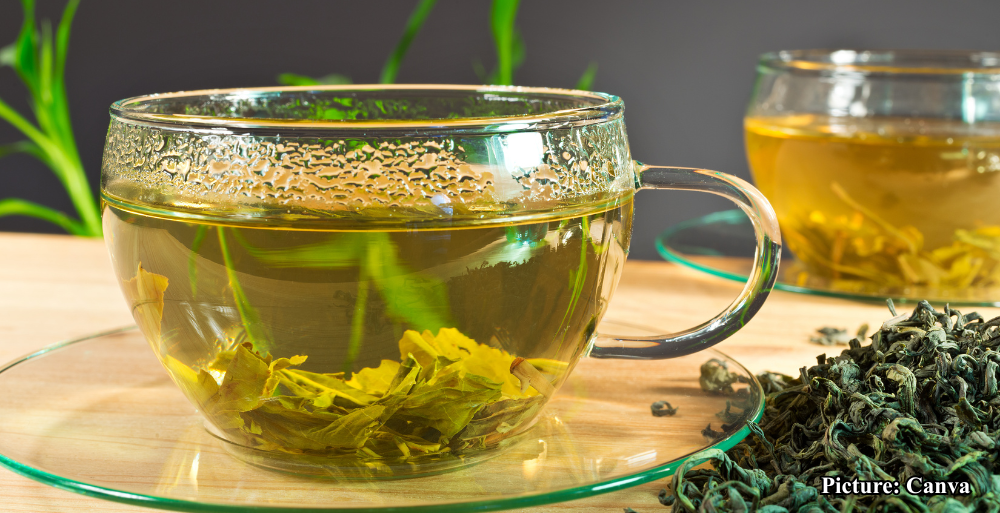
Research indicates that green tea may assist in managing inflammation, although findings vary. Nutrition experts advocate for its inclusion in a comprehensive anti-inflammatory lifestyle.
In the health and wellness discourse, green tea has gained attention for its potential anti-inflammatory effects. This report delves into the relationship between green tea consumption and inflammation, featuring insights from registered dietitians who elucidate how this beverage can fit into a broader approach to health.
Understanding Inflammation and Its Health Implications
Chronic inflammation has been increasingly recognized as a key contributor to several prevalent diseases, including cancer, cardiovascular disease, and type 2 diabetes. As a result, the management of inflammation has emerged as a critical focus for both prevention and treatment strategies. Incorporating anti-inflammatory foods and beverages, such as green tea, is now seen as a proactive measure to combat these health challenges.
The Role of Catechins in Green Tea
Green tea is particularly rich in catechins, a group of natural antioxidants that have been linked to numerous health benefits. According to Leslie K. Getzinger, M.S., RDN, the most abundant catechins in green tea are epigallocatechin gallate (EGCG) and epigallocatechin (EGC). These compounds have been associated with protective effects against insulin resistance, elevated cholesterol levels, and neurodegenerative diseases. The protective efficacy of catechins is believed to stem primarily from their antioxidant and anti-inflammatory properties.
Devan Herring, M.S., RDN, CSOWM, elaborates that catechins function as antioxidants, neutralizing free radicals—unstable molecules that can initiate inflammatory responses within the body. By reducing oxidative stress, catechins may contribute to decreased inflammation levels. Furthermore, Paloma Vega, M.S., RD, LD, references a recent review of 38 randomized controlled trials that concluded regular green tea consumption corresponded with increased levels of antioxidant enzymes, such as superoxide dismutase and glutathione peroxidase, which bolster the body’s defenses against oxidative stress.
Research Findings on Green Tea and Inflammation
Clinical studies have demonstrated that daily consumption of green tea can significantly lower markers of inflammation, such as C-reactive protein (CRP) and tumor necrosis factor (TNF). Getzinger notes that these reductions may help mitigate the risk of chronic inflammatory conditions over time. However, it is crucial to acknowledge that research findings are not entirely uniform; some studies report minimal or no significant effects of green tea on inflammation markers. Variations in results may arise from several factors, including the specific form of green tea consumed (beverage versus supplement), characteristics of the study population, and the duration of consumption.
Green Tea as Part of a Holistic Health Approach
Despite the discrepancies in research outcomes, there is a general consensus among health professionals that green tea can be a valuable component in reducing the risk of chronic diseases. Health experts emphasize that green tea should be viewed as a part of an overall healthy lifestyle, rather than a stand-alone solution for inflammation. Vega underscores this perspective, stating, “While the evidence is promising, green tea should be viewed as one part of an overall healthy diet rather than a treatment for inflammation.”
Complementary Lifestyle Choices for Inflammation Management
Nutritionists advise individuals looking to manage inflammation through dietary choices to consider additional lifestyle factors alongside green tea consumption. Herring suggests several daily habits that contribute to an anti-inflammatory lifestyle:
- Balanced Diet: Consuming a variety of antioxidant-rich foods, including colorful fruits and vegetables, can enhance the body’s natural defenses. Foods high in omega-3 fatty acids, such as fatty fish, walnuts, and flaxseeds, are especially beneficial.
- Limiting Added Sugars and Alcohol: Diets high in added sugars and alcohol are associated with increased inflammation. Reducing intake of soft drinks, sweetened beverages, and sugary snacks can help mitigate this risk.
- Quality Sleep: Adequate sleep is essential for maintaining overall health and can play a significant role in managing inflammation. Aiming for seven to nine hours of restorative sleep each night is recommended.
- Regular Physical Activity: Engaging in consistent physical activity is linked to reduced levels of inflammatory markers. Activities like yoga, walking, and strength training can positively impact overall health.
Conclusion: A Comprehensive Approach to Inflammation
In summary, green tea is a promising addition to an anti-inflammatory lifestyle, largely attributed to its high content of catechins, which possess antioxidant and anti-inflammatory properties. However, health experts caution against viewing green tea as a miracle solution for inflammation. Instead, it should serve as a complementary element within a broader health framework that includes a balanced diet, regular exercise, sufficient sleep, and effective stress management. By adopting a holistic approach, individuals can better manage inflammation and enhance their overall well-being.





No Comment! Be the first one.