





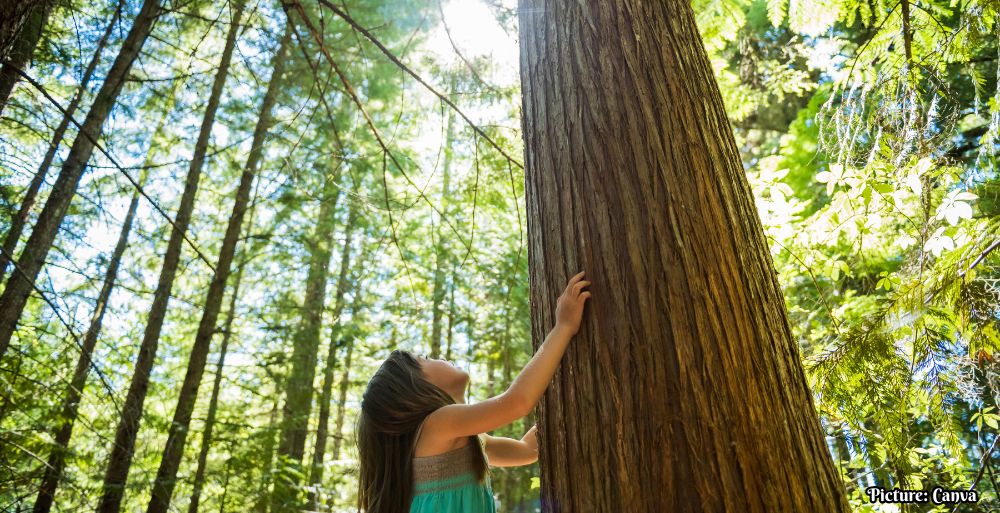
Experts emphasize that deepening our connection with nature requires intentional awareness and reflection, which can lead to improved well-being and environmental stewardship.
In the modern age of urbanization and technological distraction, the importance of forging a connection with the natural world is increasingly recognized. Recent discussions with Holli-Anne Passmore, a prominent researcher in the field of nature connectedness, shed light on practical strategies that individuals can adopt to enhance their relationship with nature. These strategies, grounded in psychological science, are designed to be accessible and do not require significant investments of time, money, or access to remote wilderness areas.
The Concept of Nature Connectedness
Nature connectedness refers to the emotional and cognitive relationship individuals have with the natural environment. Research indicates that a strong connection to nature is associated with numerous health benefits, including improved mental well-being, reduced levels of anxiety and depression, and enhanced prosocial behavior. However, simply being outdoors does not guarantee a meaningful connection. Passmore notes that many people, particularly in urban settings, struggle to engage deeply with nature due to a variety of distractions, such as technology and the pressures of daily life. This underscores the necessity of finding effective methods to foster a genuine relationship with the environment.
Strategies to Enhance Connection with Nature
In her conversation with Passmore, three key strategies emerged that can help individuals cultivate a deeper connection with nature in their everyday lives:
1. Notice Nature and How It Makes You Feel
The first strategy, known as the Noticing Nature Intervention, encourages individuals to pay conscious attention to their surroundings and reflect on how different elements of nature impact their emotional states. Passmore recommends that people observe nature as they go about their daily routines and take note of their feelings in response to these encounters. This could involve recording emotions such as calmness, surprise, or awe elicited by natural phenomena. Participants are encouraged to engage in this practice for a period of ten days, fostering increased awareness and emotional engagement with the environment.
2. Identify Three Good Things in Nature
The second strategy invites individuals to identify and document three positive aspects of nature they encounter each day. This might include appreciating the vibrant colors of a blooming flower, observing the playful behavior of a neighborhood rabbit, or relishing the freshness of morning air. This exercise shares similarities with gratitude practices, but focuses specifically on nature. Engaging in this daily exercise for a week can enhance reflective thinking and foster a deeper appreciation for the natural world.
3. Notice Your Character Strengths in Nature
The third strategy encourages individuals to recognize their personal character strengths as they relate to the natural world. Psychologists have identified various virtues such as curiosity, kindness, and persistence that can be observed throughout nature. For example, individuals might see persistence in a tree that thrives in rocky soil or kindness in a mother bird caring for its chicks. By reflecting on these strengths as they manifest in nature, individuals can deepen their understanding of both their own character and their connection to the environment. Practicing this reflection daily for a week can yield significant personal insights.
Implications of Enhanced Nature Connectedness
Dr. Passmore emphasizes that these practices extend beyond mere outdoor experiences; they focus on how individuals engage with nature during and after their encounters. The benefits observed from these interventions are substantial, including heightened feelings of connection to nature, improved mental health, and reduced anxiety and depression among those who participate. Furthermore, there is emerging evidence that these practices may inspire individuals to engage in environmental stewardship and conservation efforts. For instance, people who practice these strategies often report a stronger desire to care for the environment and contribute to sustainability initiatives.
Despite the evident presence of nature, many individuals remain largely unaware of the natural world surrounding them. A significant study conducted in the United Kingdom revealed that 80% of participants reported rarely or never observing wildlife, indicating a pervasive disconnect between encountering nature and truly engaging with it. This highlights the critical need for strategies that encourage individuals to pause, reflect, and cultivate a deeper awareness of the living world around them.
Conclusion: The Path Forward
The disconnect between simply experiencing nature and truly connecting with it underscores the relevance of the strategies proposed by Passmore. By integrating these practices into daily life, individuals can enhance their sense of well-being and, in turn, contribute positively to the health of the planet. As demonstrated in Dr. Passmore’s research, fostering a connection with nature is essential not only for individual well-being but also for collective flourishing. Individuals are encouraged to view these practices as personal experiments, observing changes in their feelings and perspectives toward nature in the weeks to come. Ultimately, these simple yet impactful strategies may serve as a catalyst for greater awareness, appreciation, and stewardship of the natural world.






No Comment! Be the first one.