



A comprehensive overview of how yin yoga can help individuals connect with their third eye chakra, enhancing creativity, intuition, and personal insight.
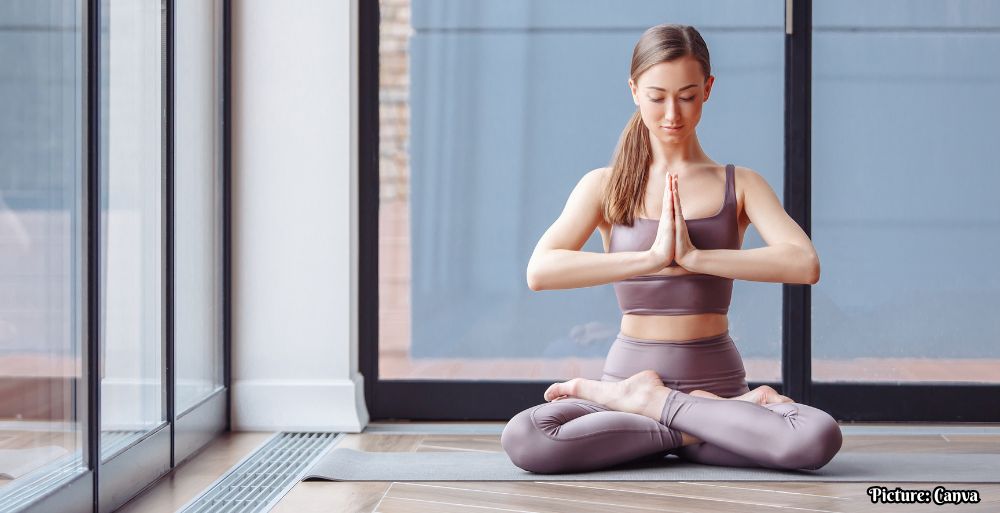
In a recent exploration of holistic wellness practices, the significance of the third eye chakra, also known as Ajna, has been highlighted as a vital component for those seeking personal growth and spiritual clarity. This chakra, located in the center of the forehead, is believed to govern creativity, intuition, and self-awareness. Engaging in yin yoga, a practice characterized by passive stretches held for longer durations, can foster a deeper connection to this chakra, encouraging individuals to trust their inner guidance and embrace their authentic selves.
The third eye chakra’s primary theme revolves around recognizing the bigger picture in life rather than conforming to societal expectations. Practitioners who tap into this energy center often report enhanced clarity in decision-making and a stronger sense of alignment with their personal purpose. This connection can lead to a more empowered approach in both personal and professional realms, allowing individuals to navigate the complexities of everyday life with greater ease and confidence.
Understanding Yin Yoga and Its Benefits
Yin yoga, distinct from more dynamic styles of yoga, emphasizes relaxation and mindfulness. It involves holding poses for extended periods, typically ranging from three to five minutes. This approach allows for a deeper stretch of connective tissues and promotes a meditative state of mind. Practitioners are encouraged to use props, such as blocks or blankets, to support their bodies and facilitate a comfortable experience. By focusing on passive stretches, yin yoga helps practitioners to release tension and cultivate awareness of their bodies and mental states.
During a yin yoga session focused on the third eye chakra, participants are guided to engage in a series of poses that promote introspection and enhance intuitive capabilities. Incorporating affirmations into the practice can further amplify the benefits, encouraging individuals to internalize messages that resonate with their personal journeys. For example, during poses, practitioners might repeat affirmations like “I am connected to my purpose” or “My intuition is always guiding me,” reinforcing their alignment with the third eye energy.
Practicing Yin Yoga for the Third Eye Chakra
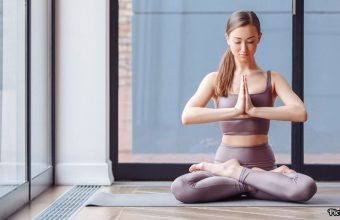
A typical yin yoga practice for the third eye chakra begins with a centering exercise, where participants are encouraged to close their eyes and focus on their breath. This initial stage aims to quiet the mind and prepare individuals for deeper introspection. Following this, a breathing exercise known as Nadi Shodhana, or alternate nostril breathing, is introduced. This technique is designed to balance the mind and clear mental clutter, allowing for enhanced focus and clarity.
As the session progresses, participants move into a series of poses, including Child’s Pose, Half Butterfly, Supported Crocodile Pose, and ultimately, Savasana. Each pose is held for several minutes, during which practitioners are invited to reflect on their intentions and affirmations. For instance, in Child’s Pose, practitioners are encouraged to connect their forehead to the ground, symbolizing a grounding connection to their purpose while repeating affirmations that resonate with their spiritual journey.
The Half Butterfly pose allows for a gentle stretch while maintaining focus on the third eye. Practitioners are reminded to let their foreheads rest on props, thereby applying gentle pressure to this energy center, which can facilitate deeper meditative states. Similarly, Supported Crocodile Pose offers a chance for introspection and breath awareness, as practitioners are encouraged to breathe deeply into their upper back while repeating affirmations about clarity and spiritual vision.
Conclusion and Reflection
As the practice concludes, participants transition into Savasana, a restorative pose that allows for complete relaxation and integration of the session’s insights. This final phase invites individuals to reflect on their experiences and any revelations gained throughout the practice. By cultivating a sense of inner peace and clarity, individuals are better equipped to navigate their lives with authenticity and purpose.
In summary, engaging in a yin yoga practice focused on the third eye chakra can foster creativity, enhance intuition, and promote a deeper understanding of oneself. By incorporating mindfulness, breathwork, and affirmations, practitioners can develop a stronger connection to their inner guidance and cultivate a greater sense of empowerment in their daily lives. As interest in holistic wellness continues to grow, practices such as yin yoga may play a crucial role in helping individuals achieve personal and spiritual growth.



No Comment! Be the first one.