





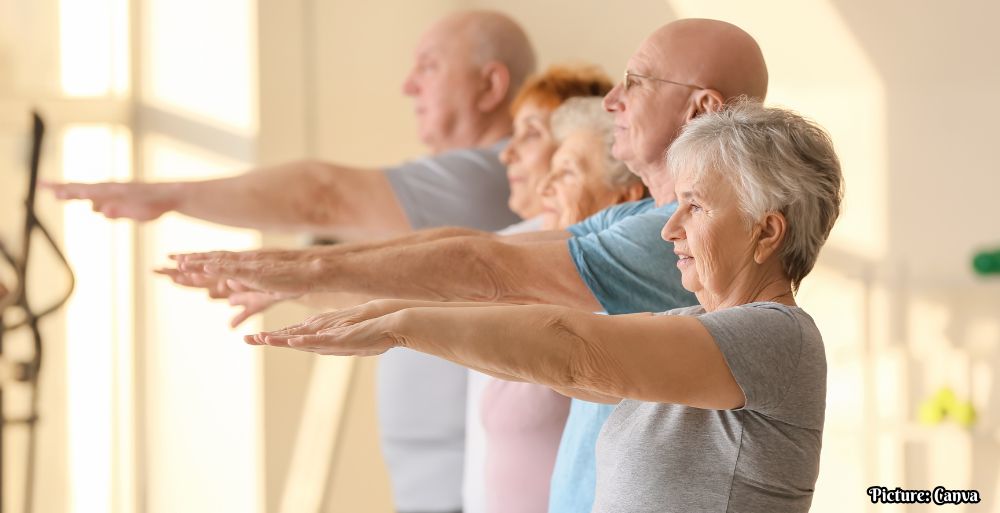
Power training, which emphasizes speed over weight, is increasingly recognized as essential for enhancing functional capacity and maintaining independence among older adults.
The aging population is a pressing global concern, with the World Health Organization projecting that by 2050, the number of individuals aged 60 and older will surpass 2 billion. Within this demographic shift, the importance of fitness and physical activity has gained heightened attention, particularly the role of power training. Unlike traditional strength training, which focuses primarily on lifting heavier weights, power training prioritizes the speed of movement. This distinction is vital for older adults, as it targets fast-twitch muscle fibers critical for explosive movements, which tend to decline more rapidly with age than overall muscle strength.
Defining Power Training
Power training is defined as the ability to generate force quickly through explosive movements. According to Peter Ronai, an exercise physiologist and clinical professor of exercise science at Sacred Heart University in Connecticut, this form of training can significantly reduce the risk of falls and enhance functional capacity among older adults. Ronai states, “The overarching benefits can have lifelong positive effects on health-related quality of life.” As individuals age, maintaining mobility and stability becomes increasingly critical, making power training a focal point in discussions about healthy aging.
Distinguishing Strength from Power Training
Understanding the difference between strength and power training is essential for grasping the significance of the latter. Strength refers to the maximum weight or tension an individual can manage, while power reflects the amount of force generated in a specified timeframe. Ronai explains that power training is not merely about lifting heavier loads; it involves performing movements as explosively as possible. For instance, during a bicep curl, one should lift the weight quickly and lower it in a controlled manner. This technique ensures that muscles are trained to respond rapidly, which is crucial for fall prevention.
Scientific Backing for Power Training
The scientific community has begun to recognize the importance of power training through various studies. A 2025 report published in the Mayo Clinic Proceedings indicates that muscle power is a more reliable predictor of mortality than muscle strength in middle-aged and older adults. This finding suggests that muscle power declines earlier and more significantly than overall strength, underscoring the necessity for targeted interventions focusing on maintaining muscle power. Ronai points out that type II, or fast-twitch, muscle fibers responsible for generating force are typically the first to deteriorate with age. However, consistent engagement in power training can counteract this decline, helping individuals maintain their physical capabilities longer.
Functional Benefits of Power Training
Power training is particularly effective in enhancing physical function, which is essential for preserving independence as people age. Activities requiring power, such as carrying groceries, lifting bags into overhead compartments while traveling, or crossing busy streets, demand quick muscle responses that power training cultivates. Ronai emphasizes that these skills significantly improve an individual’s ability to navigate daily challenges safely and effectively. As he notes, “When you trip and are about to fall, your body knows it, but you may not be able to stabilize yourself in time if your limbs aren’t used to moving faster.”
Broader Health Implications
Incorporating power training into a fitness routine alongside strength training can have broader health implications as well. A 2024 report in The Journal of Nutrition, Health and Aging suggests that power training could potentially reduce hospitalizations among older adults, highlighting its role in promoting overall health. Furthermore, engaging in power training can serve as a social activity, fostering essential social connections among participants. Ronai notes that group power training can enhance both physical and mental well-being, stating, “It can almost be more fun than any other type of training.” The competitive elements and group drills can make the experience enjoyable and motivating.
Implementing Power Training in Daily Life
For older adults looking to incorporate power training into their fitness regimen, several strategies can be effective. Exercise programs can include activities such as medicine ball throws, kettlebell swings, or plyometric exercises, all performed with an emphasis on speed and explosiveness. Safety is paramount, and it is recommended that individuals consult with fitness professionals to ensure proper technique and modifications as needed.
Moreover, community centers and senior fitness programs are beginning to recognize the benefits of power training and are integrating it into their offerings. By participating in structured power training sessions, older adults can not only enhance their physical capabilities but also enjoy social interactions, which are crucial for mental health and overall well-being.
Conclusion
As the aging population continues to grow, the importance of tailored fitness programs that include power training becomes increasingly evident. This type of training not only provides immediate benefits in terms of mobility and independence but also contributes to a higher overall quality of life. With substantial evidence supporting its efficacy, power training emerges as a critical component of a comprehensive approach to healthy aging. Advocates for older adult fitness programs are encouraged to integrate power training into their offerings, ensuring that older adults have the tools necessary to maintain their strength and independence as they age.





No Comment! Be the first one.