





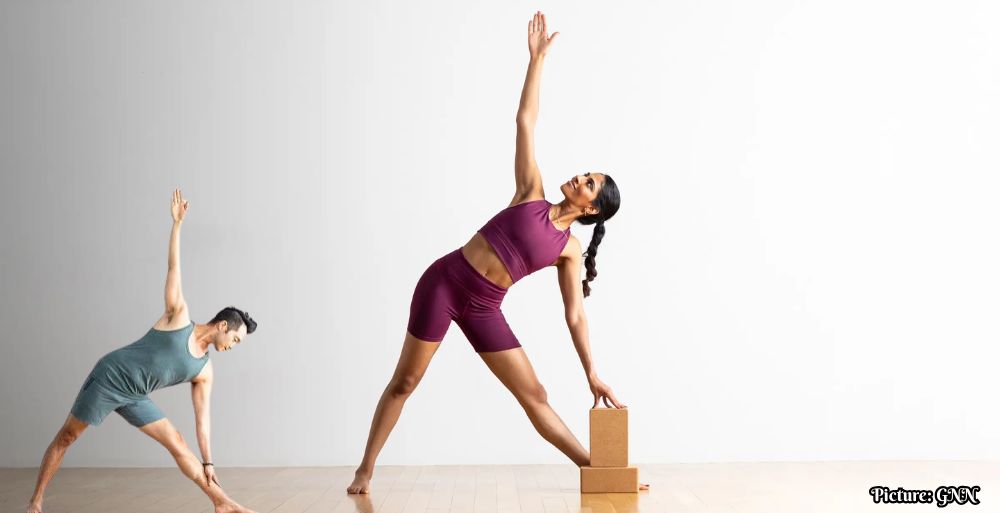
Revolved Triangle Pose (Parivrtta Trikonasana) provides a unique opportunity for practitioners to cultivate physical strength and stability while fostering a deep connection to cosmic forces, emphasizing individual uniqueness and awareness.
On July 5, 2026, yoga enthusiasts came together to explore the intricacies of Revolved Triangle Pose, also known as Parivrtta Trikonasana. Featured in the March-April 1990 issue of Yoga Journal, this pose has established itself as a significant aspect of the yoga tradition, transcending physical practice to encompass spiritual exploration and self-awareness.
The Essence of Revolved Triangle Pose
Revolved Triangle Pose is more than a mere physical exercise; it serves as a profound practice that encourages individuals to delve into their physical and spiritual limits. As articulated in various yoga texts, including the teachings of renowned yogi B.K.S. Iyengar, asanas are designed to liberate the body’s respiratory and circulatory systems, ultimately empowering the higher self through an experience of cosmic presence. However, many modern students encounter challenges due to a rigid, mechanistic approach to yoga, which can hinder their ability to fully engage with the practice.
The article emphasizes that yoga is not about conforming to a specific form; rather, it is about allowing the body to authentically express the essence of the pose. This philosophy underscores the importance of sensitivity to one’s physical limitations and the need for intelligent reflection on bodily habits. Iyengar’s perspective in The Tree of Yoga reinforces this notion, stating that practitioners should mold their bodies to fit the requirements of the asana rather than forcing the asana to conform to their bodies.
Technique: Establishing a Strong Foundation
To practice Revolved Triangle Pose effectively, practitioners must establish a solid foundation. Starting from Mountain Pose (Tadasana), the legs should be spaced three to four feet apart, creating a stable triangular base for the torso and spine. Proper alignment of the feet is crucial; the heel of the front foot must align with the heel or arch of the back foot, ensuring effective grounding and stability within the pose.
The forward-bending aspect of Revolved Triangle Pose requires the pelvis to flex through the hip joints, allowing the spine to transition from an upright position to one that is parallel to the floor. The twisting component involves rotating the pelvis over the femur bones, engaging the entire spinal column. Adjustments may be necessary for individuals with tight hips or hamstrings, enabling them to maintain stability while deepening their engagement with the pose.
Physical and Energetic Benefits
Practicing Revolved Triangle Pose can yield numerous physical and energetic benefits. As practitioners become more attuned to their breath, they can access the subtleties of the pose, fostering a sense of communion among various bodily systems. This interconnectedness can be transformative, leading to stronger muscles and bones while enhancing overall flexibility and range of motion.
The pose encourages a dynamic interplay between grounding and lifting energies, which is essential for achieving balance and harmony within the practice. Maintaining even contact through the feet is critical, highlighting the simultaneous engagement of downward and upward spirals that facilitate movement and stability. These principles are foundational not only in Revolved Triangle Pose but across all yoga asanas.
The Philosophy of Connection
Beyond its physical benefits, Revolved Triangle Pose serves as a metaphor for the broader experience of yoga. The practice embodies the journey of self-discovery and connection with the cosmos, inviting individuals to embrace a childlike state of wonder and reverence for existence. The article reflects on the awe-inspiring nature of the universe, encouraging practitioners to recognize their place within the larger cosmic narrative.
Brian Swimme, a contemporary cosmologist, poetically encapsulates this idea, suggesting that the universe can be likened to a “green dragon,” symbolizing both the aliveness and mystery of existence. This imagery resonates with the practice of yoga, where each pose becomes a pathway to understanding the intricacies of life and the universe.
Exploring Individuality Through Practice
Each practitioner’s experience of Revolved Triangle Pose is unique, shaped by their physical capabilities, emotional states, and spiritual journeys. The article highlights that there is no singular way to execute the pose; rather, it is an invitation to explore individual expression within the framework of the asana. By acknowledging and embracing one’s own physical reality, practitioners can cultivate a deeper awareness of themselves and their connection to the cosmic forces that influence their lives.
This notion of individuality is particularly relevant in a world where societal pressures often dictate standards of beauty and fitness. Yoga, especially poses like Revolved Triangle, encourages a departure from these conventional norms, allowing practitioners to find strength and stability in their own skin. This transformative aspect of yoga helps individuals foster self-acceptance and resilience, essential qualities in today’s fast-paced environment.
The Path Forward
As practitioners continue to explore the depths of Revolved Triangle Pose, they are reminded of the profound beauty and mystery that yoga embodies. The practice not only enhances physical strength and stability but also nurtures a deeper connection to the universe and fosters an understanding of the self as part of the larger cosmic web. This holistic approach to yoga encourages individuals to embrace their unique journeys, cultivating awareness, strength, and stability along the way.
In conclusion, Revolved Triangle Pose is a rich and multifaceted practice that offers more than just physical benefits. It serves as a vehicle for self-discovery, an avenue for cosmic connection, and a reminder of the intricate tapestry of existence that binds us all. As the yoga community continues to evolve, the enduring principles of poses like Revolved Triangle will remain vital in guiding practitioners on their journeys of self-exploration and spiritual awakening.






No Comment! Be the first one.