





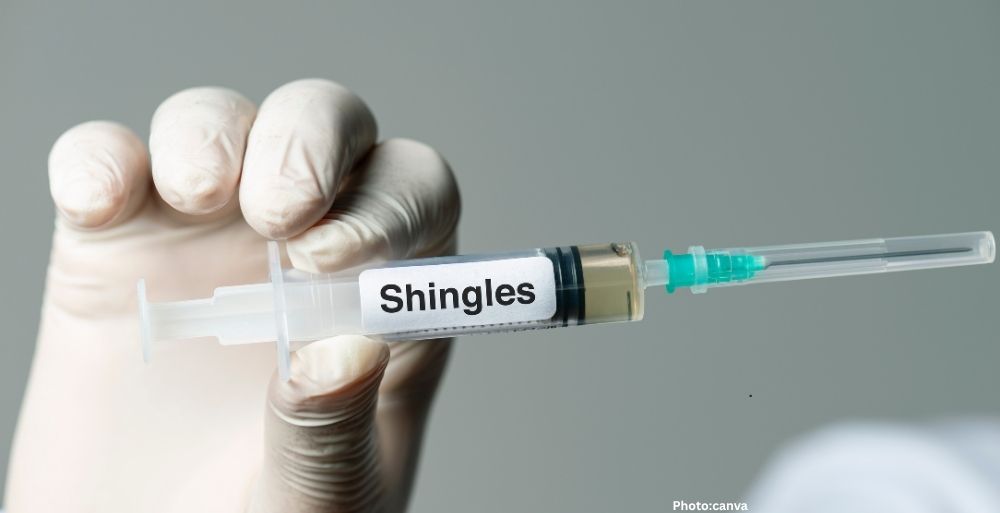
The shingles vaccine may significantly reduce the risk of dementia among older adults, according to recent studies that highlight the importance of vaccination in maintaining brain health.
Recent research has indicated that the shingles vaccine could play a vital role in protecting older adults from dementia. This finding emerges as an increasingly significant public health concern given the aging population and the growing prevalence of dementia-related disorders.
Understanding Shingles and Its Implications
Shingles, medically known as herpes zoster, is caused by the reactivation of the varicella-zoster virus, which also causes chickenpox. The condition can lead to a painful, burning rash and long-lasting nerve pain, referred to as postherpetic neuralgia. Dr. Jennifer Pauldurai, the medical director of the Inova Brain Health and Memory Disorders Program in Northern Virginia, describes the condition as creating a “war zone” of inflammation in the brain, which may contribute to cognitive decline.
Individuals who have previously contracted chickenpox are at risk of developing shingles later in life, particularly as the immune system weakens with age. According to the Centers for Disease Control and Prevention (CDC), over 99% of Americans born in 1980 or earlier have had chickenpox, and approximately one million Americans develop shingles each year.
Recent Study Findings
A study published on June 16 in the Annals of Internal Medicine suggests that vaccination against shingles could prevent approximately one in 17 cases of dementia. The research analyzed health records of over 509,000 individuals aged 66 and older, who were admitted to nursing facilities across the United States between 2017 and 2022. The findings indicated that those who received at least one dose of the shingles vaccine within a year of admission had a 5.8% lower risk of developing dementia over the next four years.
Kaley Hayes, the lead author of the study and an associate director of pharmacoepidemiology at Brown University, expressed surprise at the significant protective effects observed. Hayes noted, “That’s huge,” emphasizing the potential implications for public health.
International Perspectives
Similar studies from other countries have corroborated these findings. A study conducted in Wales involving over 282,000 older adults found that shingles vaccination was associated with a 3.5% reduction in dementia risk over a seven-year period. In Australia, research published in the Journal of the American Medical Association noted a 1.8% reduced risk among over 101,000 older adults, while a Canadian study published in The Lancet Neurology reported a 2% reduction over 5.5 years.
Biological Mechanisms at Play
Research suggests that shingles may exacerbate the accumulation of proteins associated with Alzheimer’s disease, specifically amyloid and tau. Dr. Timothy Chang, an assistant professor of neurology at UCLA, theorizes that the shingles vaccine could enhance overall immunity, potentially reducing neuroinflammation linked to dementia. “Having the vaccine remind our bodies to help improve our immunity in general — not just specifically to the vaccine — can be beneficial also to reduce neuroinflammatory processes that are going on,” Chang stated.
Gender Differences in Vaccine Efficacy
Interestingly, the data indicates that the shingles vaccine may offer varying levels of protection based on gender. Research suggests that the link between shingles vaccination and reduced dementia risk is weaker among men compared to women. This phenomenon may be attributed to biological differences in immune response and susceptibility to dementia.
Vaccination Rates and Accessibility Issues
Despite the promising findings, vaccination rates for shingles remain low. As of 2022, only about one-third of U.S. adults aged 50 and older had received at least one dose of a shingles vaccine, with rates significantly lower among Black and Hispanic adults compared to their white counterparts. Dr. Ann Philbrick from the University of Minnesota College of Pharmacy noted the disparity in vaccination rates and the challenges posed by access to healthcare services. “It takes an extra step, going to the pharmacy and making that appointment,” she explained.
The CDC recommends the Shingrix vaccine for individuals aged 50 and older, emphasizing that it remains effective even for those who have previously received the older Zostavax vaccine or have had shingles. Despite the availability of the vaccine, the uptake is hindered by barriers such as access to healthcare and the need for follow-up appointments for the two-dose series.
Conclusion
As the risk of dementia continues to rise with an aging population, the findings surrounding the shingles vaccine offer a compelling case for increased public health efforts to promote vaccination among older adults. While the vaccine is not a panacea for dementia, it presents a valuable opportunity for individuals to take proactive steps in safeguarding their cognitive health. Dr. Pauldurai reflects on the importance of preventive health measures, stating, “Much like if you were riding a bike and you know that you can’t see very well… you’re going to wear that helmet, you’re going to stay on quiet roads, you’re not going to take that extra risk.”




No Comment! Be the first one.