




Lawsuits Allege Severe Side Effects from GLP-1 Weight-Loss Drugs Ozempic, Wegovy, and Mounjaro

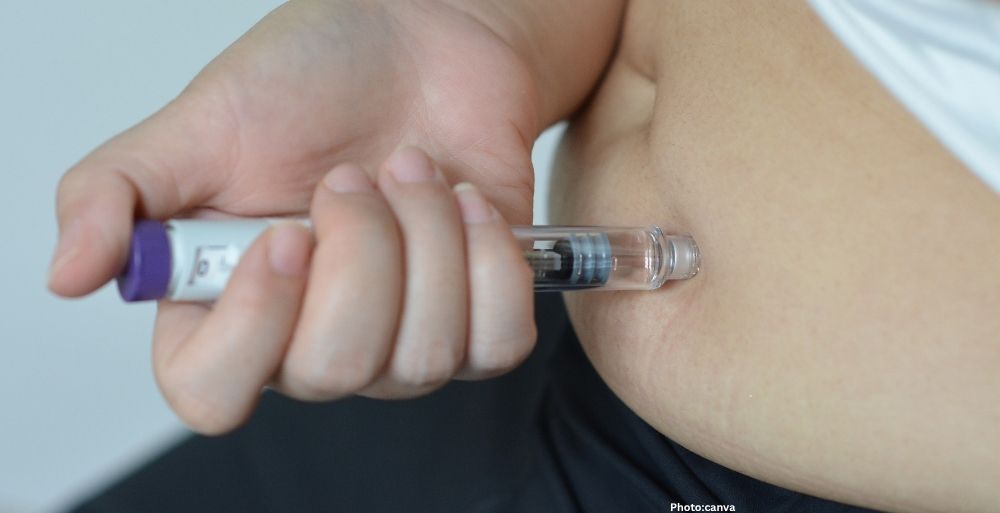
As the use of GLP-1 receptor agonists skyrockets among Americans for weight loss and diabetes management, a growing number of lawsuits allege that the drugs cause severe side effects, raising questions about the adequacy of safety warnings from manufacturers.
A series of lawsuits filed against manufacturers of GLP-1 receptor agonists, including Ozempic, Wegovy, and Mounjaro, allege that these weight-loss drugs are linked to serious side effects. This legal action comes amid a substantial increase in the drugs’ popularity, with millions of Americans now using them for weight management and diabetes control. The lawsuits claim that the drug manufacturers failed to adequately warn patients about the risks associated with their medications.
Among the plaintiffs is Todd Engel, a 63-year-old truck driver from Maryland who reported experiencing severe vision loss he attributes to Ozempic. Engel, who began taking the drug to manage his diabetes, claims that he suffered an “eye stroke” that left him legally blind. Engel’s case highlights a worrying trend as lawsuits against the manufacturers of GLP-1 drugs continue to mount, with more than 4,400 lawsuits filed since the first legal challenge emerged in 2023.
Overview of the Lawsuits
The lawsuits target Novo Nordisk, the Danish company responsible for Ozempic, Wegovy, Rybelsus, Victoza, and Saxenda, and Eli Lilly, which produces Trulicity, Mounjaro, and Zepbound. Plaintiffs argue that the drug makers did not provide sufficient warnings about potential severe injuries associated with the drugs.
According to data presented in court, a significant percentage of the federal lawsuits allege specific adverse effects. For instance, 75% of the cases include claims of gastroparesis, a condition characterized by delayed stomach emptying, while 18% allege that the drugs caused ileus, a condition where bowel muscles fail to function properly. Other common allegations include intestinal obstructions and gallbladder injuries.
As the popularity of GLP-1 drugs continues to grow, with an estimated 12% of American adults, or over 31 million people, currently using them, the legal ramifications are expected to expand. The drugs have gained traction for their effectiveness in weight loss, diabetes management, and potential benefits for various health conditions.
Legal Context and Responses from Manufacturers
In response to the allegations, Novo Nordisk and Eli Lilly have categorically denied any wrongdoing. “The safety profile of GLP-1 RAs has been well-established in hundreds of clinical trials,” stated Novo Nordisk in a court filing. The company emphasized that all known risks are reflected in FDA-approved product labeling, which has been reviewed extensively.
In a similar vein, Eli Lilly representatives underscored their commitment to patient safety, stating that Mounjaro and other drugs come with robust FDA-approved warnings about potential gastrointestinal adverse reactions. Both companies assert that they will vigorously defend the safety of their medications in court.
Individual Cases and Allegations
Engel’s case is not isolated. JoHelen McClain, a 72-year-old woman from Oklahoma, also alleges that Wegovy caused her colon to rupture, leading to severe health complications. McClain’s lawsuit claims that she was not adequately warned about the risks associated with taking the drug, which she began using to lose weight.
Meanwhile, Mark Smith from Louisiana reports that his wife, Robin, experienced severe gastric issues and cognitive decline after taking Mounjaro, ultimately leading to a diagnosis of Wernicke’s encephalopathy, a serious neurological condition. Smith’s family contends that they were not informed of the potential severity of the drug’s side effects.
Potential Implications for Patients and Drug Safety
The ongoing lawsuits may have significant implications for public trust in GLP-1 medications. Legal experts, including Ana Santos Rutschman, a health law professor at Villanova University, note that proving a causal relationship between the drugs and the alleged outcomes will be a central challenge in court. The extent and timing of drug warnings will also come under scrutiny.
As these legal battles unfold, the conversation surrounding the efficacy and risks of GLP-1 drugs is becoming increasingly complex. Ziyad Al-Aly, a researcher at the Veterans Affairs Health Care System, recognizes the benefits of GLP-1 medications but also emphasizes that no medication is without risk. He advises patients to remain vigilant about how they respond to these treatments.
With the first bellwether trials not expected until 2027, the multi-district litigation process is likely to continue for several years. As more individuals join the ranks of plaintiffs, the outcomes of these lawsuits could influence the regulatory landscape and patient safety protocols for GLP-1 receptor agonists.
The growing body of evidence surrounding the side effects of GLP-1 drugs, coupled with the increasing number of lawsuits, underscores the importance of transparent communication between drug manufacturers and patients. Advocates for patient safety are calling for clearer warnings regarding potential severe outcomes, as many individuals seek treatment options to manage their weight and chronic health conditions.






No Comment! Be the first one.