

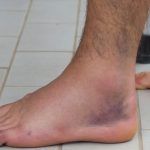



If you are concerned about the risks associated with falling, you are in good company. Falls represent a leading cause of serious injury and restricted mobility, particularly as we age. Fortunately, proactive physical conditioning can significantly mitigate this risk.
Clinical research demonstrates that structured movement practices—specifically Yoga, Tai Chi, Pilates, and targeted Balance Training—substantially enhance postural stability, core strength, and spatial awareness, directly leading to a measurable reduction in falls.
Yoga: Mindfulness and Structural Alignment
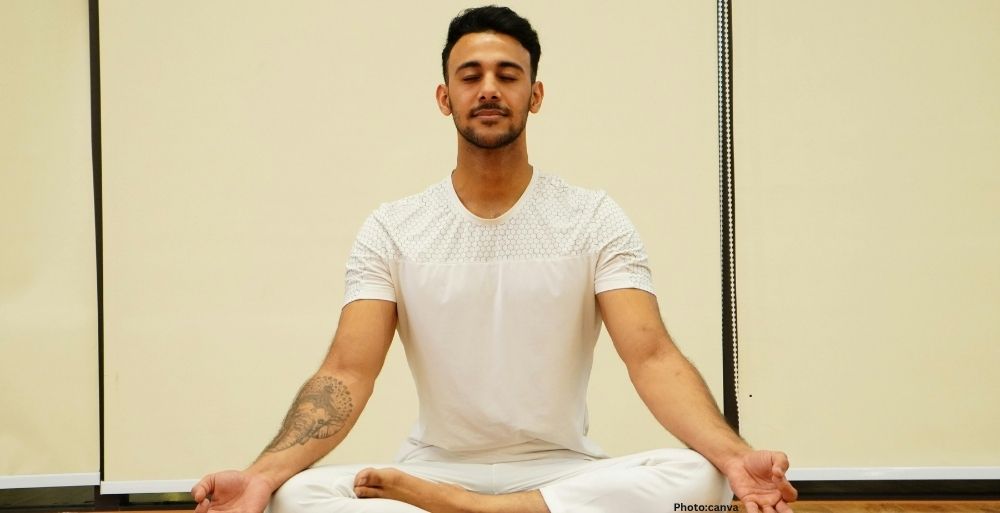
Yoga offers a dual benefit: it physically strengthens the body while sharpening the mental focus required to navigate uneven environments. Programs that yield the most documented success typically involve twice-weekly sessions of Hatha yoga for at least eight weeks.
Because yoga demands focused attention, it trains the brain to better manage the cognitive load required to maintain real-time equilibrium.
Unlike purely meditative styles, Hatha yoga is deeply physical and follows a structured tripartite progression:
- Pranayamas (Breath Control): Regulated breathing exercises that center the nervous system and stabilize core pressure.
- Asanas (Postures): A dynamic or static sequence of physical poses designed to improve structural alignment, flexibility, and lower-body strength.
- Savasana (Resting Period): A final period of total relaxation that allows the nervous system to integrate the physical adaptations gained during the session.
Tai Chi: Controlled Fluidity and Functional Strength
Tai Chi is one of the most thoroughly researched and clinically validated interventions for improving balance in older adults. Studies indicate a significant reduction in fall risk for participants who practice three times per week.
Performed either indoors or outdoors, Tai Chi consists of a deliberate, slow-motion sequence of continuous movements. Engaging in community-based Tai Chi classes has been shown to deliver distinct physical and psychological advantages:
- Biomechanical Gains: Noticeable increases in knee extension, functional lower-body strength, and overall mobility.
- Psychological Benefits: A marked reduction in the “fear of falling,” which ironically often contributes to stiff, tentative gaits that increase fall risk.
Mat Pilates: Core Stability and Dynamic Flexibility
Mat Pilates shifts the focus down to the floor, utilizing a rigorous series of stretching, strengthening, and core-centric movements.
Rather than focusing solely on standing poses, Pilates targets the deep stabilizing muscles of the abdomen, lower back, and pelvis. This targeted conditioning delivers convincing benefits for:
- Dynamic Balance: The ability to remain stable while changing positions or in motion.
- Lower-Limb Power: Enhanced strength in the legs to recover from a trip or stumble.
- Joint Flexibility: Greater range of motion in the lower back and hips, allowing for a more fluid and resilient gait.
The Takeaway: If you feel like your baseline strength or balance is currently low, do not be discouraged. Clinical data consistently shows that people who start out the weakest tend to show the greatest overall improvements from structured balance programs.
Are you looking to start a routine at home, or are you trying to choose between joining a local community class?


No Comment! Be the first one.