





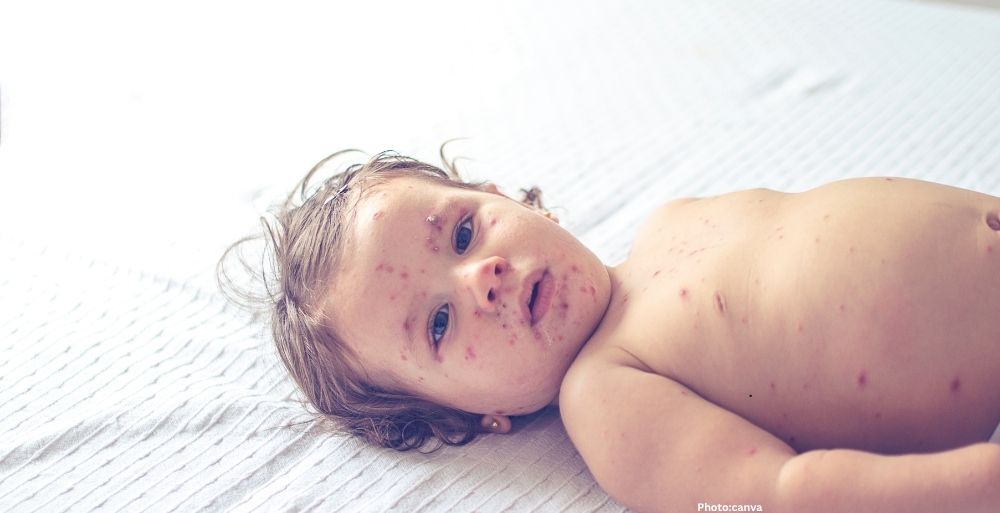
The United States is experiencing a significant rise in measles cases, with 2,030 confirmed infections reported as of June 4, 2026. This trend, driven mainly by declining vaccination rates, threatens the country’s status as measles-free, a designation that is under review by health organizations.
June 8, 2026 – The Centers for Disease Control and Prevention (CDC) has reported alarming figures indicating that the United States is on track to surpass the highest number of measles cases recorded in the past three decades. As of June 4, 2026, there have been approximately 2,030 confirmed cases attributed to 30 separate outbreaks across 38 states and Washington, D.C. This represents a sharp increase in measles infections, bringing the nation closer to a public health crisis reminiscent of the pre-elimination era.
The disease, which was declared eliminated in the U.S. in 2000, is spreading at a concerning rate, with cases leading to at least 127 hospitalizations. Notably, 92% of those infected are unvaccinated, and a staggering 72% of the cases involve children aged 19 and younger. These statistics underscore a troubling trend regarding vaccine uptake, especially among younger populations who are particularly vulnerable to the disease.
Looking ahead, the current trajectory suggests that 2026 may exceed the previous year’s total of 2,242 cases, which was already the highest since measles was eliminated. In 2025, outbreaks were largely concentrated among unvaccinated individuals, with nearly 90% of cases linked to known outbreaks, including three fatalities, marking the first pediatric death from measles in a decade.
Measles Cases by State
The CDC’s data reveals the geographical spread of measles, with confirmed cases reported in a wide variety of states, including:
- Alaska
- Arizona
- California
- Colorado
- District of Columbia
- Florida
- Georgia
- Idaho
- Illinois
- Kansas
- Kentucky
- Louisiana
- Maine
- Maryland
- Massachusetts
- Michigan
- Minnesota
- Missouri
- Montana
- Nebraska
- New Jersey
- New Mexico
- New York
- North Carolina
- North Dakota
- Ohio
- Oklahoma
- Oregon
- Pennsylvania
- Rhode Island
- South Carolina
- South Dakota
- Texas
- Utah
- Vermont
- Virginia
- Washington
- Wisconsin
- Wyoming
Understanding Measles
Measles is caused by a highly contagious virus that primarily affects children. The World Health Organization (WHO) describes measles as an infection that begins in the respiratory tract and can spread throughout the body rapidly. Symptoms typically include high fever, cough, runny nose, and a distinctive rash that appears 7 to 14 days after exposure. The disease is especially dangerous; about 90% of unvaccinated individuals exposed to the virus become infected, with approximately 20% requiring hospitalization.
The Measles, Mumps, and Rubella (MMR) vaccine is crucial for prevention, offering 97% efficacy against measles. The CDC recommends that children receive their first dose between 12 to 15 months of age and a second dose between 4 to 6 years old. However, a decline in vaccination rates poses a significant threat to community health.
Reasons for the Increase in Measles Cases
The resurgence of measles cases in the U.S. correlates with a marked decline in vaccination rates among children. The CDC has documented a drop in vaccination coverage among kindergartners from 95.2% during the 2019–2020 school year to 92.5% in the 2024–2025 school year, falling significantly below the 95% threshold necessary for herd immunity. Herd immunity protects individuals who cannot get vaccinated by ensuring that a majority of the community is immune, thus reducing the overall spread of the virus.
Several factors contribute to this decline, including a rise in anti-vaccine sentiment. This movement gained traction following the appointment of vaccine skeptic Robert F. Kennedy Jr. as health secretary, whose controversial remarks on vaccines and promotion of unproven treatments have raised public skepticism. Although Kennedy moderated his stance during the 2025 outbreak and encouraged vaccination, the lingering effects on public confidence in vaccines are evident.
The implications of declining vaccination rates are dire, as they jeopardize the United States’ measles elimination status. The WHO defines this status as the absence of continuous measles transmission for at least one year, a designation considered a historic public health achievement by the CDC. The Pan American Health Organization (PAHO), which monitors infectious diseases in the Americas, is set to evaluate the measles elimination status of the U.S. and Mexico in November 2026. This review was postponed from its original April date due to the outbreaks in 2025. Notably, Canada had its elimination status revoked in November 2025, a concerning signal regarding the ongoing vulnerability to infectious diseases in North America.
The current rise in measles cases serves as a stark warning of the potential consequences of declining vaccine coverage. As public health officials continue to monitor the situation, the importance of maintaining high vaccination rates remains paramount in safeguarding community health and ensuring the continued elimination of measles in the United States.





No Comment! Be the first one.