





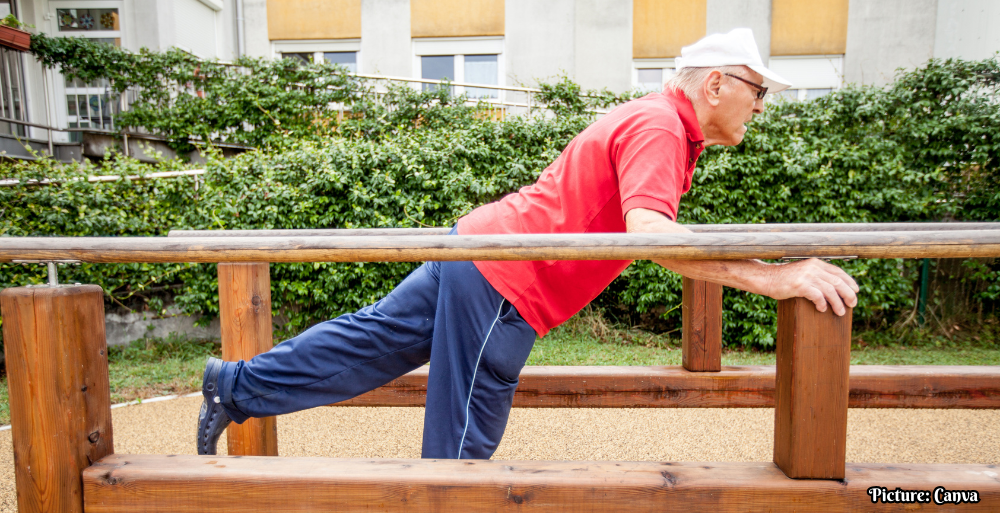
Barre, an exercise regimen blending ballet, Pilates, and yoga, is increasingly recommended by fitness experts for older adults due to its low-impact nature and potential benefits for healthy aging and stability.
As the global population continues to age, the importance of maintaining physical health and well-being becomes paramount. Among various exercise modalities, barre has emerged as a notable option for older adults. This fitness routine intricately combines elements from ballet, Pilates, and yoga, creating a low-impact workout that promotes longevity and overall health. Barre instructor Tara Riley advocates for this approach, particularly for individuals over the age of 70, emphasizing its numerous health benefits.
Understanding Barre and Its Appeal
Barre workouts typically involve a series of isometric movements that engage multiple muscle groups while enhancing flexibility and balance. This method of exercise is characterized by its focus on controlled movements, using light weights and resistance bands to increase intensity without imposing stress on the joints. The integration of various fitness styles makes barre an accessible choice for seniors, who may have concerns regarding joint health and mobility.
“I’ve got quite a few members in my classes who are over 70 and they’re fantastic,” says Riley, referencing the growing popularity of barre among older adults. This demographic often seeks workouts that are not only effective but also gentle on the body, making barre a fitting option.
Key Benefits of Barre for Older Adults
Riley identifies several critical advantages of barre for seniors, particularly its ability to enhance proprioception. Proprioception refers to the body’s ability to perceive its position and movement in space—a skill that is vital for maintaining balance and preventing falls. “Knowing where your body is in space and being able to move from one position to another is essential,” she explains, highlighting the importance of stability as individuals age.
Another significant benefit of barre is its positive impact on bone density. Riley shares a compelling case involving one of her clients in her 50s who has long dealt with osteoporosis. After participating in barre and Pilates for two years, her recent DEXA scan showed improvements in her bone density, underscoring the potential of these exercises to foster tangible health outcomes.
Joint-Friendly Exercise
Barre is particularly appealing for older adults due to its low-impact nature. “There’s no pounding or jumping in barre, so it’s joint-friendly,” Riley notes, which makes it a suitable option for those dealing with pre-existing joint conditions or recovering from injury. This gentleness allows for a workout that strengthens the body without exacerbating any existing issues.
Strengthening Stabilizing Muscles
A distinctive aspect of barre is its focus on engaging stabilizing muscles—smaller muscle groups that support larger joints. Traditional weight training often emphasizes major muscle groups like the quadriceps and hamstrings. In contrast, barre exercises target the stabilizing muscles around the knees and ankles, which are crucial for maintaining balance and preventing falls. “These muscles are crucial because they help you maintain your footing and stability when you start to fall,” Riley explains, advocating for the essential role these smaller muscle groups play in overall physical health.
Accessible Barre Workout for Seniors
In light of these benefits, Riley has crafted a straightforward barre workout specifically designed for those over 70, which can also serve as a foundation for individuals of any age. The routine is simple and can be performed at home, making it an accessible entry point into the world of barre.
Three Recommended Barre Moves
Here are three barre exercises that are particularly beneficial for older adults:
1. Supported Second Position Plie
Reps: 16
To perform this exercise, stand in front of a stable surface such as a table or wall, with your feet positioned wider than hip-distance apart. Point your toes and knees outward, bending your knees to lower your hips while keeping your torso upright. Push through your feet to return to the starting position.
2. Standing Arabesque
Reps: 16 each side
Begin by standing in front of a stable surface with feet hip-distance apart and a slight bend in your knees. Extend one leg behind you, pointing your toes. Keeping your hips facing forward, raise your rear leg slightly before lowering it back to the floor. Repeat before switching sides.
3. Side-Lying Leg Lift
Reps: 16 each side
Lie on your right side, propping yourself up on your forearm and bending your right knee to 90 degrees. Raise your left leg, keeping it straight, and lower it back down to tap the floor before repeating. Complete the reps on one side before switching to the other.
These exercises collectively enhance flexibility, strength, and balance, making barre a comprehensive approach to fitness for older adults. As more individuals seek effective ways to promote healthy aging, barre may emerge as a valuable addition to their exercise routines, potentially enhancing their quality of life.
Conclusion
As the fitness landscape evolves, the inclusion of barre as a mainstream exercise for older adults highlights a growing recognition of the unique needs of this demographic. With its low-impact approach and emphasis on stability and strength, barre presents an opportunity for seniors to engage in physical activity that supports their health and well-being. As experts like Tara Riley advocate for such exercises, it is clear that barre could play a significant role in fostering healthy aging for many individuals.




No Comment! Be the first one.