





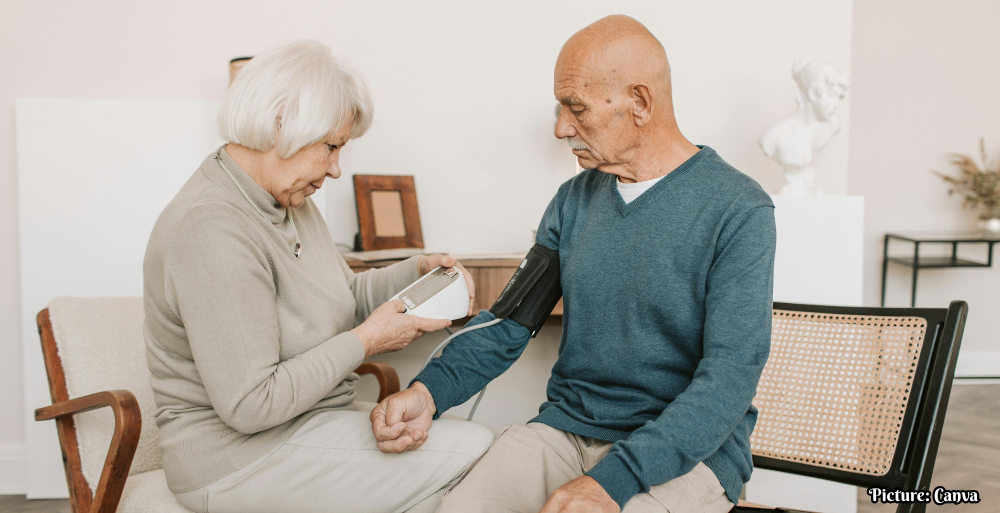
Home blood pressure monitoring serves as a critical tool for identifying hypertension patterns, enabling timely medical intervention and lifestyle changes.
As nearly half of American adults grapple with high blood pressure, also known as hypertension, the need for effective monitoring has become increasingly pressing. Defined as a systolic blood pressure greater than 130 mm Hg or a diastolic blood pressure exceeding 80 mm Hg, hypertension is often termed the “silent killer” due to its lack of noticeable symptoms. Over time, unmanaged hypertension significantly elevates the risk of heart disease and stroke, making awareness and regular monitoring essential.
Home blood pressure monitoring allows individuals to detect hidden patterns that may not manifest during a clinical visit. According to Dr. Sirisha Vadali, a cardiologist, “Home blood pressure monitoring is one of the most effective tools we have to accurately diagnose, manage, and prevent complications of hypertension.” This method is particularly beneficial as blood pressure can fluctuate throughout the day, often leading to misdiagnoses based on single readings taken in clinical settings.
Understanding Hypertension Patterns
Dr. Kumar Sarkar, a fellow cardiologist, highlights two critical conditions related to blood pressure readings: white-coat hypertension and masked hypertension. White-coat hypertension occurs when patients experience elevated blood pressure readings in a medical office due to stress, while masked hypertension refers to normal readings in a clinical setting but consistently high levels in daily life. Sarkar explains, “By tracking these patterns, patients can avoid unnecessary treatment for ‘office-only’ spikes while ensuring that ‘hidden’ high blood pressure is properly addressed.” This highlights the importance of routine home monitoring, especially for high-risk individuals such as those with diabetes, chronic kidney disease, or preeclampsia.
Choosing the Right Blood Pressure Monitor
With numerous options available for home blood pressure monitors, cardiologists recommend prioritizing accuracy and reliability. Dr. Christopher Davis advises that upper-arm monitors are generally considered the gold standard for home use, providing the most accurate and consistent readings. He cautions against using wrist and finger monitors, as well as cuffless devices like smartwatches, due to significant variances in their reliability.
Among the recommended models are:
- Omron Silver Upper Arm Blood Pressure Monitor: Known for its accuracy and Bluetooth connectivity, it allows users to track readings conveniently.
- Omron Evolv Wireless Upper Arm Blood Pressure Monitor: Compact and portable, this monitor is ideal for frequent travelers while still delivering clinically validated readings.
- Withings BPM Connect Smart Blood Pressure Monitor: This high-tech option offers app integration and trend tracking, suitable for tech-savvy users.
- A&D Medical Essential Pressure Monitor: Praised for its accuracy and cost-effectiveness, this monitor is included in the STRIDE BP Scientific Advisory Board’s list of validated devices.
- A&D Medical Precision Monitor: For those seeking added features, this Bluetooth-compatible version allows tracking of health metrics for multiple users.
Best Practices for Home Monitoring
To ensure accurate readings, experts recommend several best practices:
- Pick the Right Time: Certain times of day yield better readings; avoid taking measurements immediately after exercise or stressful activities.
- Go to the Restroom First: A full bladder can artificially elevate blood pressure readings by 10 to 15 points.
- Avoid Stimulants: Refrain from caffeine, smoking, and exercise for at least 30 minutes before measuring blood pressure.
- Relax: Rest quietly for five minutes before taking a reading to avoid unnecessary spikes.
- Get in Position: Sit in a chair with back support and feet flat on the ground, ensuring the arm is at heart level.
- Stay Consistent: Taking two readings a minute apart, both morning and evening, helps provide a more accurate picture of blood pressure trends.
Dr. Sarkar emphasizes the importance of bringing home monitors to medical appointments to ensure proper technique and accurate calibration with clinical equipment.
When to Consult a Health Care Provider
Consistently elevated readings above 130/80 mm Hg, indicative of stage 1 hypertension, warrant a discussion with a health care provider. Dr. Davis warns that prolonged elevated readings can lead to serious cardiovascular complications if left unmanaged. Readings of 140/90 mm Hg or higher should be addressed, especially if they persist across multiple measurements. Immediate medical attention is necessary for readings reaching 180/120 mm Hg or higher, which may indicate a hypertensive crisis. Symptoms accompanying such readings can include chest pain, shortness of breath, severe headache, vision changes, and confusion.
In conclusion, home blood pressure monitoring is an essential practice for managing cardiovascular health. By utilizing recommended devices and following best practices, individuals can effectively track their blood pressure and engage in informed discussions with their health care providers regarding necessary lifestyle changes and treatments.






No Comment! Be the first one.