





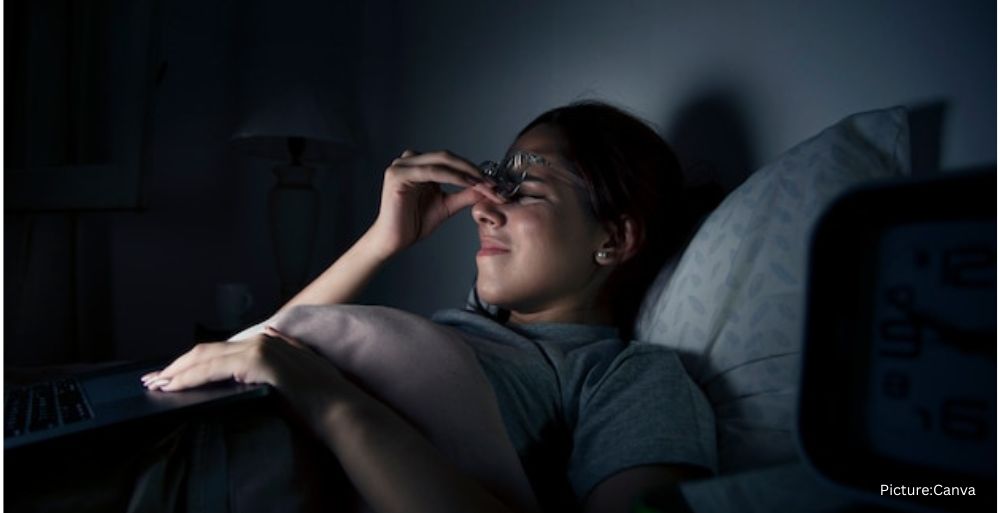
Researchers found that nighttime loneliness may be a key factor linking later sleep schedules to increased anxiety among people with evening chronotypes
People who naturally prefer staying up late and waking later in the day may be more likely to experience loneliness and anxiety, according to new research that will be presented at the SLEEP 2026 annual meeting.
The study found that individuals with an evening chronotype reported poorer mental health, higher levels of general loneliness, and increased feelings of loneliness during nighttime hours compared to those with earlier sleep schedules.
Researchers identified nighttime loneliness as a key factor linking later sleep patterns to anxiety. Participants who preferred later bedtimes were more likely to experience feelings of isolation at night, which in turn was associated with higher anxiety levels. When researchers accounted for nocturnal loneliness, the direct relationship between late sleep schedules and anxiety was no longer significant.
“People with later sleep patterns reported poorer mental health in part because they also experienced greater loneliness, including feelings of loneliness at night, and increased levels of anxiety,” said lead author Alec Harlow, a researcher at Brigham Young University in Provo, Utah. “The findings suggest that both daytime and nighttime social experiences appear to be relevant when examining mental health among evening chronotypes.”
Chronotype refers to a person’s natural preference for sleeping and waking at certain times. Evening chronotypes tend to function best later in the day and often face challenges aligning their schedules with work, school, and other social commitments that conventionally operate on earlier timelines.
According to the American Academy of Sleep Medicine, healthy sleep involves not only getting enough rest but also maintaining appropriate timing, regularity, and quality of sleep.
The study involved 442 participants recruited through the online research platform Prolific. Researchers assessed chronotype using the Morningness-Eveningness Questionnaire, measured nighttime loneliness through the Nocturnal Loneliness Scale, and evaluated anxiety levels using the Patient-Reported Outcomes Measurement Information System Anxiety Short Form.
Using statistical modeling, the research team examined whether feelings of loneliness at night helped explain the relationship between sleep timing preferences and anxiety.
Harlow said the findings highlight loneliness, particularly nocturnal loneliness, as a potential area for intervention.
“Evaluating and addressing loneliness, including the challenges that arise at night, such as anxiety, may represent a meaningful intervention target for therapists, clinicians, and researchers to improve the well-being of people with evening chronotypes,” he said.
The research abstract, titled The Loneliness of Later Chronotypes: A Nighttime Pathway to Mental Health Risk, was recently published in an online supplement of the journal Sleep and will be presented on June 17 at SLEEP 2026, the annual meeting of the Associated Professional Sleep Societies, a joint venture of the American Academy of Sleep Medicine and the Sleep Research Society, in Baltimore.





No Comment! Be the first one.