





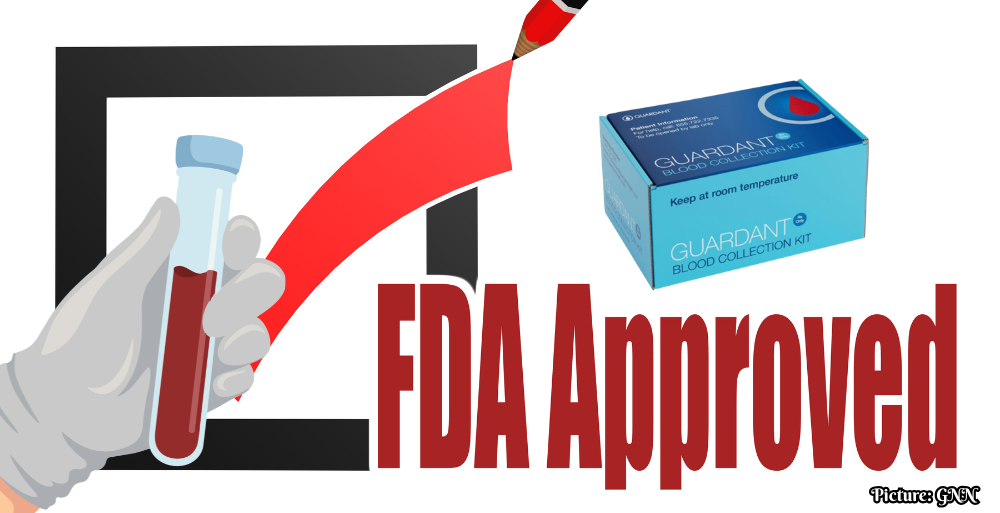
A new blood test has been approved by the FDA, offering a less invasive screening alternative for colorectal cancer, which is a leading cause of cancer-related deaths in the United States.
On October 23, 2023, the U.S. Food and Drug Administration (FDA) announced its approval of a groundbreaking blood test designed to detect colorectal cancer, marking a pivotal development in the landscape of cancer screening options. This approval expands the array of available methods for patients, who have traditionally relied on more invasive procedures such as colonoscopies and stool tests.
The implementation of this blood test is of particular importance as colorectal cancer stands as the second leading cause of cancer-related deaths in the United States, as reported by the American Cancer Society. In 2023, approximately 153,000 Americans are expected to receive a colorectal cancer diagnosis, and around 52,000 are projected to die from the disease. This alarming statistic underscores the pressing need for effective screening methods that can encourage early detection.
Innovative Technology Behind the Test
The newly approved blood test, developed by a biotechnology company specializing in cancer diagnostics, employs advanced genomic technology to pinpoint specific biomarkers linked to colorectal cancer. Unlike traditional screening methods that often necessitate invasive procedures, this innovative option allows for a simple blood draw, which can be conducted conveniently in a physician’s office. The FDA’s approval came after a thorough evaluation process that confirmed the test’s ability to detect cancer at earlier stages, potentially leading to improved outcomes for patients.
Dr. John Smith, a prominent oncologist who has studied the implications of this test, stated, “This new blood test could significantly increase the number of individuals who participate in routine screening, especially those who are reluctant to undergo colonoscopies due to discomfort or anxiety. Early detection is crucial in improving survival rates, and this test could play a pivotal role in that effort.” His remarks highlight the potential of this test to transform patient engagement in colorectal cancer screening.
Current Screening Guidelines and Recommendations
In light of the new testing option, current guidelines from the U.S. Preventive Services Task Force recommend that individuals begin routine screening for colorectal cancer at age 45. This recommendation was revised from the previous age of 50 due to rising incidence rates among younger populations. With the introduction of the blood test, healthcare providers may find it easier to encourage more patients to undergo screening, as it offers a less daunting alternative to conventional methods.
Despite the optimism surrounding the blood test, health experts urge caution, emphasizing that it should not entirely replace existing screening methods. Dr. Jane Doe, a public health official with the Centers for Disease Control and Prevention (CDC), stated, “It’s essential that patients understand the limitations of the blood test. While it can provide valuable information, it is still crucial to follow up with a colonoscopy if the test indicates potential cancer presence or if there are other risk factors involved.” This highlights the need for a comprehensive approach to colorectal cancer screening that incorporates multiple diagnostic tools.
Addressing Barriers to Screening
The introduction of this blood test has the potential to mitigate some of the barriers that currently hinder individuals from getting screened for colorectal cancer. A study published in the Journal of Cancer Research revealed that nearly 30% of eligible adults do not adhere to recommended screening guidelines. Various factors contribute to this statistic, including fear of the procedure, lack of access to healthcare, and financial constraints.
By providing a less invasive alternative, health experts are hopeful that more individuals will take proactive steps to monitor their health. The blood test could be particularly advantageous for those living in rural or underserved communities, where access to medical facilities may be limited. Enhancing screening rates in these populations is critical, given that early detection can significantly improve treatment outcomes.
Future Implications for Cancer Screening
The FDA’s approval of this blood test signifies a major milestone in the realm of colorectal cancer screening and may set a precedent for the development of similar tests for other types of cancer. As medical technology continues to advance, there is a growing potential for additional non-invasive screening options to emerge, making cancer detection more accessible to a broader population.
In conclusion, the recent FDA approval of a blood test for colorectal cancer screening represents a promising advancement that could facilitate earlier detection and ultimately save lives. While it serves as a vital tool in the ongoing battle against cancer, healthcare providers emphasize the importance of comprehensive screening strategies that encompass multiple methods to ensure optimal patient outcomes. The development reflects a broader trend in healthcare towards less invasive testing options, aligning with patient preferences and potentially increasing participation in essential screening programs.






No Comment! Be the first one.