




As the beauty industry undergoes a massive shift toward ethical transparency, the lucrative false eyelash market is facing renewed scrutiny over its use of animal-derived materials. While high-end “mink” and “silk” lashes have long been prized for their natural texture, investigations into fur farming and silkworm processing have revealed a stark reality of animal suffering and public health risks. Today, with the European Union on the verge of a historic fur ban and scientific consensus growing around insect sentience, consumers are increasingly pivoting toward innovative, plastic-free alternatives such as hemp-based fibers. This shift marks a turning point for a sector traditionally dominated by either cruel animal byproducts or non-biodegradable synthetics.
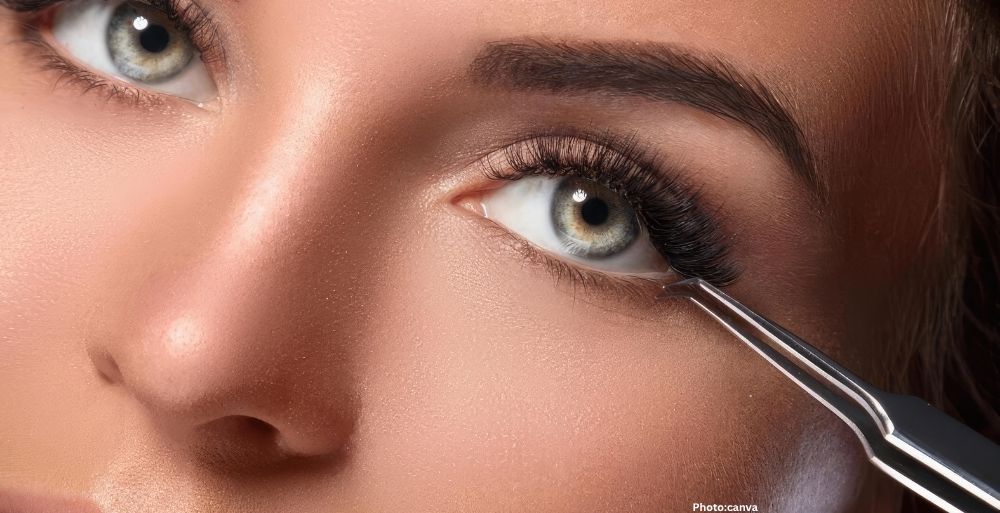
LONDON — For decades, the quest for the perfect “natural” lash line has relied on a trade that many consumers are only now beginning to understand. False eyelashes, once the exclusive domain of synthetic plastics, saw a luxury revolution roughly ten years ago when celebrity endorsements popularized real mink fur and silk lashes in high-end salons. However, as the global ethical landscape shifts in 2026, the beauty industry is being forced to reconcile its aesthetic demands with the harsh realities of its supply chains.
The debate has moved beyond simple “cruelty-free” labeling, which many activists argue is misleading. Instead, it has centered on the biological and environmental costs of using living beings for cosmetic enhancement—ranging from the zoonotic risks of mink farming to the ethical dilemmas of boiling silkworms alive.
The Myth of “Brushed” Mink Fur
Despite marketing claims that real mink lashes are harvested by “brushing” living animals, animal welfare organizations like PETA have long dismissed this as a logistical impossibility. Minks are solitary, semi-aquatic predators that are not domesticated; they do not tolerate human handling, let alone grooming.
“Wearing mink eyelashes essentially means wearing fur on your face,” says Elisa Allen, PETA’s Vice President of Programmes. “These animals are driven to insanity by extreme privation and fear. After a life of abject misery, they’re crudely gassed or electrocuted or their necks are broken, causing them to suffocate slowly.”
The conditions in these farms were highlighted in 2025 and early 2026 by animal rights groups across Europe, who documented minks kept in solitary wire cages to prevent them from fighting. The lack of stimulation leads to “stereotypes”—repetitive, abnormal behaviors such as self-mutilation and pacing—that signify extreme mental distress. In many documented cases, the high-density environment led to untreated wounds and even cannibalism.
A Public Health Imperative: The End of Fur Farming?
The ethical argument against mink farming has recently been joined by a powerful public health mandate. As of April 2026, the European Commission is in the final stages of debating a full ban on fur farming and the sale of farmed fur products across the EU. This follows years of data showing that mink farms are high-amplification reservoirs for zoonotic diseases.
During the COVID-19 pandemic, millions of minks were culled after the virus jumped from farm workers to the animals and back again, mutating in the process. Recent studies published in PLOS Pathogens in March 2026 warn that minks remain a top-tier pandemic risk, as they host the same respiratory receptors as humans. As of today, 24 European countries have already moved to ban the practice, with Poland—formerly the world’s second-largest fur producer—effectively ending its industry in 2025.
The Silk Dilemma and Insect Sentience
For those who sought a “gentler” alternative to fur, silk lashes were often the go-to choice. However, the production of real silk involves a process that is increasingly being questioned by ethicists. Silk is harvested by boiling the cocoons of silkworms while the pupae are still inside to prevent them from breaking the silk strands as they emerge as moths.
Recent research into insect sentience has added weight to this concern. In late 2025, projects like the “Insect Sentience Project” at Wageningen University began bridging the gap between art and science to demonstrate that even small invertebrates may have the capacity to feel pain and stress. With millions of silkworms killed for a relatively small amount of material, the scale of potential suffering has led many vegan advocates to classify real silk as an unethical byproduct, regardless of the “natural” marketing.
Navigating Labels: Synthetic vs. Plant-Based
For the modern consumer, the terminology can be a minefield. “Mink” and “silk” are now frequently used by brands to describe the texture of the lash rather than the material.
- Faux Mink: Typically made from polybutylene terephthalate (PBT), a high-quality plastic that mimics the tapered ends of real fur.
- Synthetic Silk: Often a softer version of PBT designed to have a more lustrous, silk-like finish.
Major brands such as Tarte, Too Faced, and Urban Decay have officially transitioned to 100% vegan lash lines. Most notably, Lilly Lashes—once a lightning rod for criticism regarding real mink use—has shifted its branding to emphasize “3D Faux Mink” made from premium synthetic fibers, asserting their products are now 100% cruelty-free.
The Green Frontier: Hemp and Beyond
While synthetic lashes solve the animal welfare crisis, they present an environmental one: plastic waste. Most synthetic lashes eventually break down into microplastics in landfills. This has paved the way for the industry’s newest innovation: plant-based lashes.
Canadian company Velour has led the charge with its “Second Nature” collection, featuring lashes crafted from hemp-derived fibers. These lashes are not only vegan but are designed to be reused at least 20 times, significantly reducing their environmental footprint. The packaging follows suit, utilizing recyclable paperboard and soy-based inks.
As 2026 progresses, the “untapped market” for eco-friendly, animal-free beauty is expanding. With the EU’s potential fur ban looming and consumers demanding higher ethical standards, the era of “fur on the face” appears to be reaching its inevitable end.




No Comment! Be the first one.