




UN Weather Agency Forecasts Return of El Niño by May 2024, Signaling Potential Global Weather Impacts

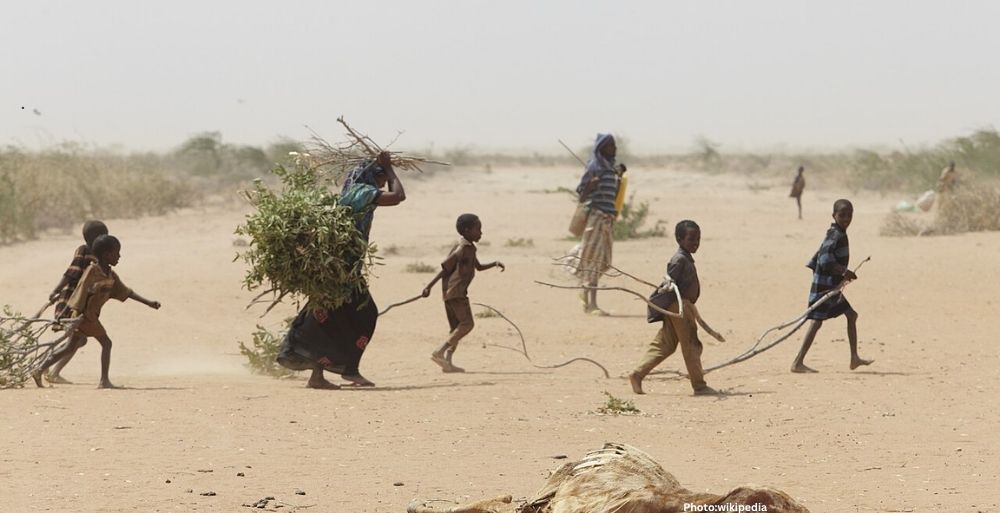
The UN’s World Meteorological Organization warns that the El Niño phenomenon may return as early as May 2024, potentially reshaping global weather patterns and heightening climate-related challenges.
The World Meteorological Organization (WMO) announced on Thursday that the El Niño phenomenon is expected to make a reappearance as early as May 2024. This development raises significant concerns regarding its potential impacts on global weather patterns, agricultural productivity, and disaster preparedness. The announcement comes during a period of heightened climate variability, prompting scientists and policymakers to closely monitor the situation.
Defining El Niño
El Niño is a climatic phenomenon characterized by the periodic warming of sea surface temperatures in the central and eastern tropical Pacific Ocean. Typically occurring every two to seven years, its impacts can last from several months to over a year. Historically, El Niño has been associated with a range of weather anomalies, leading to increased rainfall in certain areas while causing droughts in others. The last significant El Niño event spanned from 2018 to 2019, during which various regions experienced notable shifts in weather patterns.
Global Implications of the Forecast
The WMO’s projections suggest that the anticipated return of El Niño could exacerbate existing weather extremes across different regions. For example, Southeast Asia and Australia may be at heightened risk of drought conditions, while the southern states of the United States could see increased precipitation and storm activity. Such disparities in weather could have cascading effects across multiple sectors, particularly agriculture, fisheries, and water resource management.
As many nations continue to grapple with the residual effects of climate change and various extreme weather events, the urgency for adaptive strategies becomes increasingly apparent. Recent examples include the devastating floods in Pakistan and the persistent heatwaves across Europe, both of which underscore the critical need for effective climate monitoring and response mechanisms.
Historical Context and Economic Considerations
Historically, El Niño events have led to profound and sometimes catastrophic impacts on global weather systems. The 1997-1998 El Niño event, one of the strongest recorded, resulted in severe flooding in several regions and extreme droughts in others, culminating in an estimated economic cost exceeding $33 billion. Such historical precedents highlight the importance of preparedness and proactive response strategies for governments and communities as they face the uncertainties associated with changing climate conditions.
The WMO has indicated that close monitoring of sea surface temperatures will be essential in predicting the strength and potential duration of the forthcoming El Niño. Current data suggests a gradual development of the phenomenon, with forecasters maintaining vigilance as they assess the evolving situation. The organization has also emphasized the necessity for enhanced international collaboration in climate monitoring and disaster response initiatives.
Expert Perspectives on the Anticipated Return of El Niño
In light of the WMO’s announcement, climate scientists are urging policymakers to incorporate potential El Niño impacts into their planning and preparation efforts. Dr. Maria Neira, a climatologist with the WMO, remarked, “The return of El Niño is a reminder that we must be proactive in addressing the challenges posed by climate variability. Preparedness can mitigate the adverse effects on vulnerable populations and ecosystems.” This statement reflects a growing consensus among experts that timely action is crucial to minimizing the risks associated with climate fluctuations.
Moreover, experts have emphasized the importance of recognizing the interplay between short-term weather phenomena like El Niño and the long-term implications of climate change. This relationship complicates the global response to climate-related challenges, underscoring the necessity for integrated strategies that consider both immediate and long-term environmental impacts.
Potential Strategies for Mitigation and Adaptation
As the WMO’s forecast of El Niño’s return approaches, global leaders and communities are called to assess their readiness for the anticipated changes in weather patterns. The implications of this climatic phenomenon highlight the need for comprehensive climate strategies that can adapt to both predictable and unpredictable shifts in global weather. Governments are encouraged to invest in resilient infrastructure, support sustainable agricultural practices, and strengthen emergency response systems to better prepare for potential disruptions.
In addition, fostering public awareness and community engagement in climate preparedness initiatives can play a crucial role in mitigating the adverse effects of El Niño. Collaborative efforts among nations, particularly in sharing data and best practices, will be vital in addressing the multifaceted challenges posed by this phenomenon and enhancing global resilience to climate-related disasters.
Looking Ahead
As the WMO prepares for the potential return of El Niño in May 2024, the focus remains on comprehensive climate strategies that prioritize both immediate responses and long-term sustainability. The anticipated impacts of El Niño serve as a critical reminder of the importance of global cooperation and proactive measures in addressing the ongoing challenges of climate change. As scientists continue to monitor developments, the international community must remain vigilant and responsive to the evolving climate landscape.




No Comment! Be the first one.