





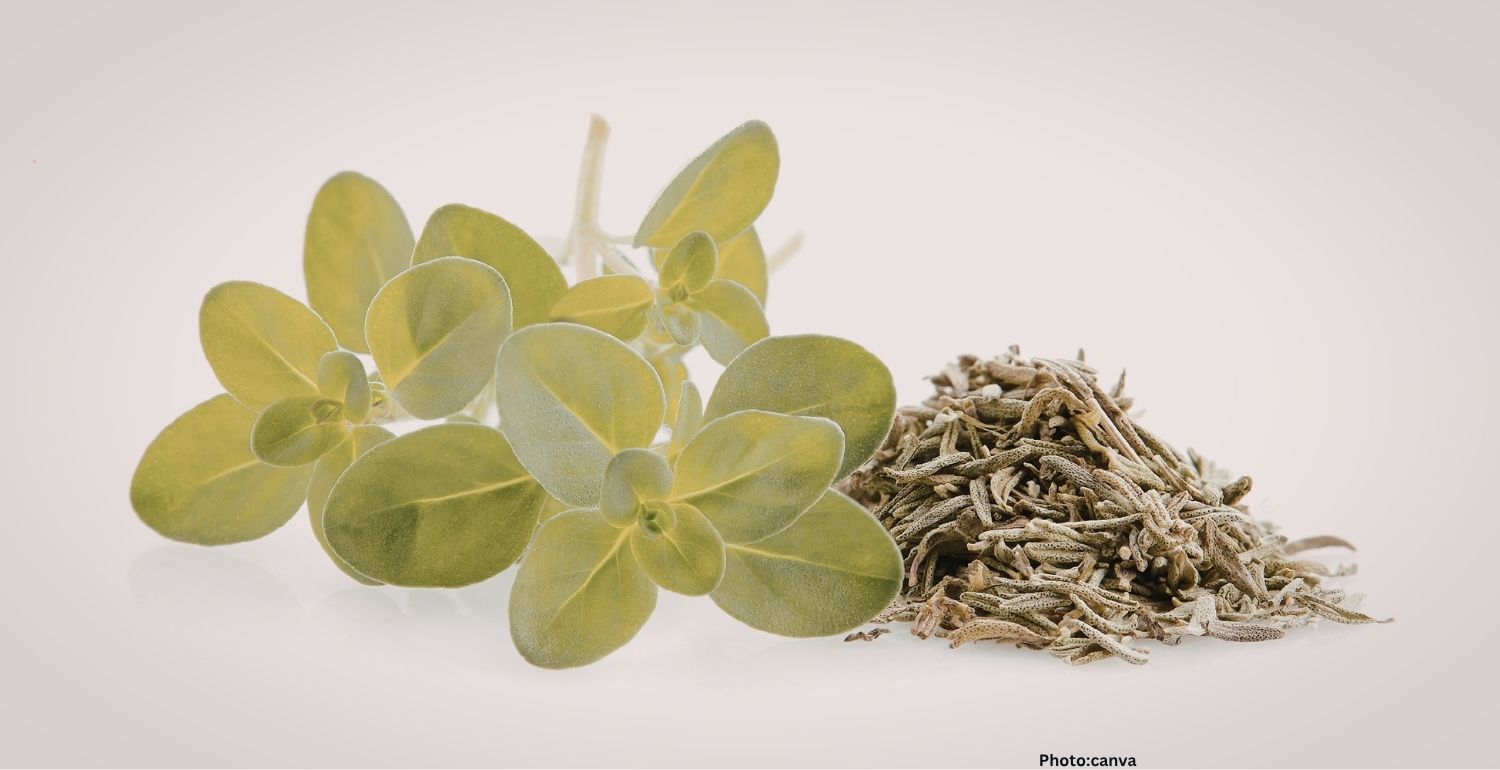
Recent studies indicate that oregano, a popular culinary herb, may offer cardiovascular health benefits, including potential reductions in blood pressure and cholesterol levels due to its antioxidant properties.
Oregano, commonly recognized for its role in Mediterranean cuisine, has garnered attention in recent years for its potential health benefits, particularly in relation to cardiovascular health. Emerging research suggests that certain compounds found in oregano could play a role in managing blood pressure and cholesterol levels, thereby contributing to overall heart health.
Understanding Antioxidants and Blood Pressure Regulation
Central to the discussion of oregano’s health benefits are its antioxidant properties. Two key compounds present in oregano, carvacrol and thymol, have been identified for their potential to combat oxidative stress, a condition characterized by an imbalance between free radicals and antioxidants in the body. Oxidative stress is linked to cellular damage and is believed to contribute to the development of hypertension.
Several studies have shown that oregano can significantly reduce markers of oxidative stress in both animal and human studies. For instance, a study published in the journal Nutrients highlighted how oregano consumption decreased oxidative stress and markers of muscle damage in soldiers undergoing physical stress. However, the need for further research, particularly large-scale human trials, is essential to confirm these findings and establish a direct causal link between oregano consumption and blood pressure regulation.
Mechanisms of Blood Vessel Relaxation
Beyond its antioxidant properties, oregano may also influence blood pressure through its ability to relax blood vessels. Carvacrol has been shown to act as a vasodilator, which means it helps widen blood vessels, thereby improving blood flow and potentially lowering blood pressure. High blood pressure, or hypertension, is often exacerbated by constricted blood vessels, which can be influenced by various factors, including smoking, stress, and certain medical conditions.
Moreover, a comprehensive understanding of the physiological mechanisms that contribute to blood vessel constriction is crucial. Factors such as plaque buildup from high cholesterol, inflammation, and lifestyle choices all play significant roles in vascular health. By promoting the relaxation of blood vessels, oregano may counteract some of the physiological responses that lead to hypertension.
Cholesterol Management and Atherosclerosis Prevention
In addition to its effects on blood pressure, oregano may also aid in cholesterol management. The same compounds that help mitigate oxidative stress—carvacrol and thymol—may contribute to lower levels of low-density lipoprotein (LDL) cholesterol, commonly referred to as “bad cholesterol.” Elevated levels of LDL cholesterol are associated with the development of atherosclerosis, a condition characterized by the buildup of fatty deposits in arteries, which can lead to serious cardiovascular issues, including heart attacks and strokes.
Risk factors for atherosclerosis include physical inactivity, diets high in saturated fats, and underlying health conditions such as obesity and diabetes. By potentially lowering LDL cholesterol levels, oregano may offer a protective effect against the onset of cardiovascular diseases associated with these risk factors.
Calcium Regulation and Vascular Function
Research also indicates that oregano may play a role in regulating calcium influx into smooth muscle cells, a factor crucial for maintaining healthy blood vessels. Excessive calcium entry can lead to vasoconstriction, which complicates blood flow. Studies have suggested that oregano reduces calcium influx, promoting healthier blood vessel function and supporting cardiovascular health.
Despite calcium being vital for numerous bodily functions, including muscle contraction and nerve signaling, an excess can lead to detrimental health effects, such as abnormal heart rhythms and an increased risk of heart disease. Therefore, understanding the balance of calcium regulation in conjunction with oregano’s effects is essential for comprehending its overall impact on heart health.
Historical Context and Current Usage
Historically, oregano has been utilized in folk medicine for a variety of ailments, ranging from respiratory issues to digestive problems. While its potential benefits for blood pressure regulation are promising, clinical research remains essential to fully understand the herb’s impact on cardiovascular health. Incorporating oregano into one’s diet can be simple; it can be used fresh, dried, or even brewed as tea. However, the internal use of oregano essential oil is typically discouraged due to potential adverse effects.
Precautions and Drug Interactions
While oregano is generally regarded as safe when consumed in culinary amounts, caution is advised regarding high doses, which may lead to adverse side effects for some individuals. Notably, individuals taking anticoagulant or antiplatelet medications should consult healthcare providers, as oregano may theoretically increase the risk of bleeding. Furthermore, those on diabetes medications should discuss oregano use with their healthcare providers due to its potential effects on blood glucose levels.
Overall, while oregano shows promise as a supportive agent for cardiovascular health, further investigation is essential to validate these findings and understand the implications of its use in dietary practices. As research continues, oregano may not only enhance the flavor of meals but also contribute positively to heart health when incorporated into a balanced diet.






No Comment! Be the first one.