





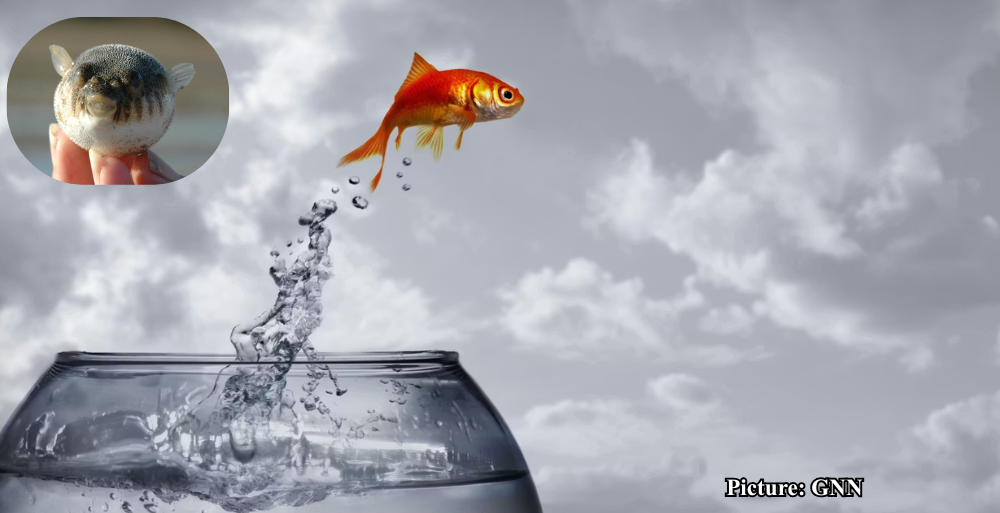
A new genetic study of over 150 animal species reveals that the transition of life from water to land was not a singular event, but rather a series of independent evolutionary adaptations that reshaped ecosystems on Earth.
A comprehensive genetic analysis published in the journal Nature in November 2025 has provided groundbreaking insights into how animal life transitioned from aquatic environments to terrestrial habitats over the past 500 million years. The study, co-authored by researchers including Jialin Wei, emphasizes that this monumental shift was characterized by multiple, distinct evolutionary experiments rather than a single occurrence.
Historical Context of Terrestrial Transition
Life on Earth is believed to have originated in aquatic environments more than 600 million years ago. The Cambrian period, approximately 500 million years ago, marked the first significant movement of certain animal species onto land. This transition represented a crucial evolutionary milestone, laying the groundwork for the diverse ecosystems that we observe today. Unlike plants, which underwent a singular transition to land, animals evolved to inhabit terrestrial environments through several distinct evolutionary pathways, showcasing the concept of convergent evolution. This phenomenon occurs when unrelated lineages develop similar adaptations to comparable environmental challenges, allowing them to thrive in land-based habitats.
Methodology and Key Findings
In their study, researchers conducted a comparative genomic analysis of over 150 animal species, meticulously identifying genes associated with the adaptation to land. The findings indicated that most transitions to land were accompanied by significant gene turnover, reflecting a dynamic process of gene gain and loss. This genetic flexibility was crucial for enabling various lineages to adapt to the stresses associated with terrestrial life, such as increased desiccation and exposure to different forms of radiation.
Through advanced analytical techniques and powerful computational tools, the researchers were able to pinpoint specific genes that were gained across various lineages. They discovered that many of these genes were involved in critical functions related to dehydration and stress responses, including reactions to temperature fluctuations, ultraviolet radiation, and the presence of terrestrial toxins. Conversely, genes that were lost during these transitions often related to regeneration, dietary habits, and biological rhythms, such as circadian cycles.
Impact on Earth’s Systems
The migration of life from aquatic to terrestrial environments not only transformed the organisms themselves but also had significant ramifications for Earth’s systems. As animal life colonized land, it played a vital role in altering the atmosphere, primarily by reducing carbon dioxide levels and increasing oxygen concentrations. Additionally, terrestrial organisms contributed to the weathering of rocks, which facilitated the release of essential minerals like calcium into ecosystems, thereby influencing soil composition and fertility.
Diverse Adaptation Strategies and Evolutionary Patterns
The study revealed that different groups of animals adapted to land in a variety of ways. For example, while certain species, such as earthworms, continue to require moist environments to thrive, others, like insects and mammals, have evolved to live entirely in dry conditions. Interestingly, semi-terrestrial species, primarily small invertebrates, exhibited shared adaptations that allowed them to survive in soil, particularly in functions associated with blood circulation and nutrient absorption.
Fully terrestrial animals demonstrated a broader spectrum of adaptation strategies. The researchers identified unique gene innovations specific to certain lineages, such as shell formation in land snails and innate immunity genes in terrestrial vertebrates. These adaptations highlight the diverse evolutionary histories shaped by ecological factors, physiological requirements, and chance events.
Timeline of Terrestrial Evolution
Furthermore, the researchers identified three primary waves of animal transitions from water to land occurring throughout the last 500 million years. These transitions are associated with significant geological and ecological changes, including the rise of early land plants and the formation of seasonal habitats that provided new opportunities for terrestrial life. The identified waves occurred during the Ordovician (485–443 million years ago), Devonian–Carboniferous (419–298 million years ago), and Cretaceous (145–66 million years ago) periods, beginning with the emergence of early land arthropods, such as insects, and culminating with terrestrial snails.
Contributions to Evolutionary Science
This research offers a holistic view of how animal life adapted to land, reframing past studies that typically focused on specific lineages. The findings suggest that while some genetic adaptations appear to be inevitable in the transition from water to land, others are relatively rare, underscoring the adaptive nature of evolution in response to environmental challenges.
The implications of this study extend beyond understanding past transitions; they provide critical insights into the resilience of species in adapting to changing environments. By elucidating the genetic pathways that facilitated one of the most significant transitions in the history of life on Earth, this research enriches our comprehension of evolutionary biology and the intricate relationships between organisms and their ecosystems.
In conclusion, the comprehensive genetic analysis conducted by Wei and colleagues not only highlights the complexity of evolutionary adaptations but also reinforces the notion that life on Earth is characterized by a dynamic interplay of genetic innovation and environmental pressures. As researchers continue to explore these evolutionary narratives, the findings may ultimately offer valuable lessons about biodiversity and conservation in the face of ongoing ecological changes.






No Comment! Be the first one.