





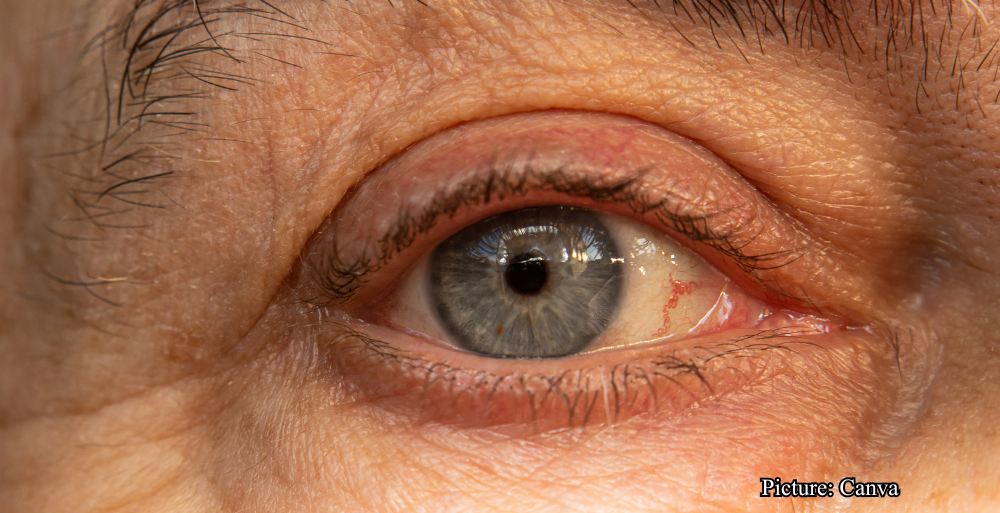
A recent study has pinpointed age 50 as a significant turning point in the acceleration of biological aging, emphasizing the importance of understanding organ-specific aging processes.
A study led by a team from the Chinese Academy of Sciences has revealed that the biological aging process in humans accelerates significantly around the age of 50. Published in the journal Cell, the research offers new insights into how the aging of various organs and tissues progresses over time, with a notable decline observed in vascular health.
Research Overview and Methodology
The study, published in 2025, analyzed protein changes in human tissues collected from 76 organ donors aged between 14 and 68, all of whom died from accidental traumatic brain injuries. The researchers retrieved a total of 516 samples from 13 different tissues, covering seven body systems: cardiovascular, digestive, immune, endocrine, respiratory, integumentary, and musculoskeletal. This comprehensive approach allowed the team to construct a detailed catalog of proteins and track their changes as the age of the donors increased.
The researchers noted that while humans experience a long lifespan in comparison to many mammals, this longevity often comes with increased risks of chronic diseases due to a decline in organ function. Their findings suggest that aging is not a uniform process but rather a complicated series of transformations that vary across different tissues and organs.
Key Findings and Implications
The study identified a significant inflection point in the aging process around age 50, where changes in protein expression were most pronounced. “Based on aging-associated protein changes, we developed tissue-specific proteomic age clocks and characterized organ-level aging trajectories,” the authors stated. They found that the aging of blood vessels is particularly acute, marking them as one of the first tissues to show signs of aging.
Among the 48 disease-related proteins that increased with age, the research highlighted the association with conditions such as cardiovascular diseases, liver-related tumors, and tissue fibrosis. The most dramatic changes in proteomic structure were found to occur between the ages of 45 and 55, suggesting that this decade is critical for understanding the trajectory of organ aging.
Experimental Validation
To validate their findings, the researchers conducted experiments on mice, isolating a protein linked to aging in the aorta and administering it to younger mice. The treated animals displayed marked reductions in physical performance, including diminished grip strength and endurance, and exhibited signs of vascular aging. This experiment underscores the potential impact of specific proteins on the aging process and suggests pathways for future research into interventions aimed at mitigating age-related decline.
Contextualizing Aging Research
Historical research has identified additional peaks in aging, notably around the ages of 44 and 60. Previous studies indicated that changes in the metabolism of lipids, caffeine, and alcohol, as well as cardiovascular health, were significant contributors to the aging process during these times. The findings from the recent study contribute to a growing body of literature that emphasizes the multifaceted nature of human aging.
By constructing a comprehensive multi-tissue proteomic atlas, the researchers aim to elucidate the mechanisms behind proteostasis imbalance in aging organs. The study’s authors believe their insights could significantly advance the development of targeted interventions to improve the health and longevity of older adults.
Future Directions
The implications of this research extend beyond theoretical understanding, potentially paving the way for practical applications in healthcare. With a clearer understanding of how aging affects specific organs at different times, medical interventions could be better tailored to individual needs, enhancing quality of life as people age. The study emphasizes the importance of continued research into the biological processes of aging, with the potential to inform strategies that could alleviate the burden of age-related diseases.
As the global population continues to age, understanding the biological underpinnings of this process becomes increasingly vital. The insights from this study could assist in developing therapeutic approaches that not only address age-related decline but also empower older adults to maintain their health and independence longer.
Broader Implications for Society
The findings of this study resonate with broader societal concerns about aging populations worldwide. As life expectancy increases, so does the prevalence of age-related health issues. Understanding when and how aging accelerates in various organ systems could inform public health policies and lead to better healthcare strategies aimed at preserving the quality of life for older adults.
Moreover, the research highlights the need for investment in aging research and the development of therapies targeting specific aging processes. As scientists gain a deeper understanding of the biological mechanisms underlying aging, it may be possible to create interventions that not only prolong life but also enhance the quality of those later years.
Conclusion
In summary, the study from the Chinese Academy of Sciences marks a significant advancement in the understanding of human aging. By identifying age 50 as a crucial inflection point in the aging process, it provides a foundation for future research in the field. The potential to develop targeted interventions based on these findings could revolutionize how society addresses the challenges posed by an aging population, ultimately leading to healthier, more fulfilling lives for older adults.






No Comment! Be the first one.