




Yoga Practice Provides Significant Health Benefits and Fall Prevention for Seniors

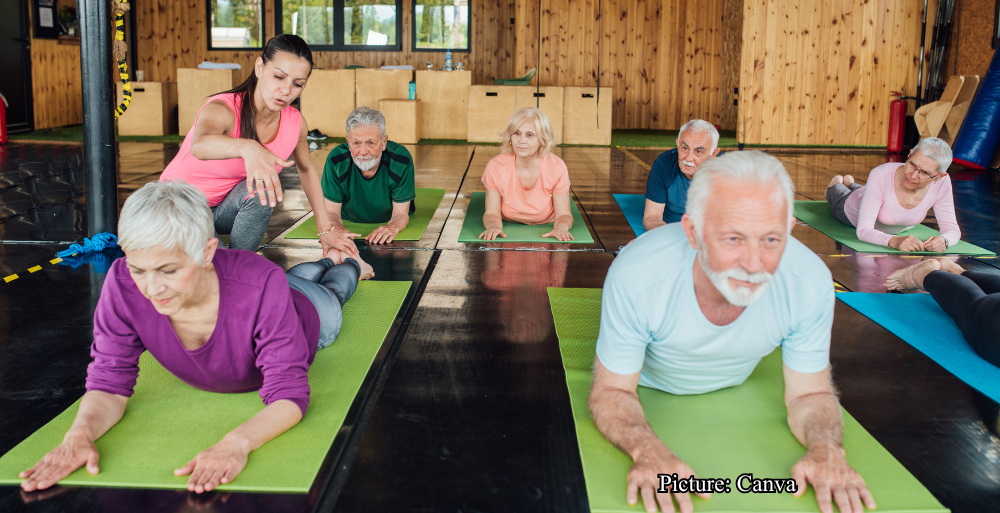
Staying active is an essential part of healthy aging, yet declining health and mobility often prevent older adults from finding safe, effective, and enjoyable ways to exercise, according to a recent clinical report on geriatric wellness.
Medical professionals and fitness experts are increasingly identifying yoga as a primary intervention for seniors facing physical and cognitive challenges. The practice, which integrates physical postures with controlled breathing and meditation, addresses the specific needs of an aging population by improving balance, stamina, and flexibility. According to the report, these improvements lead to a lower risk of falls and a documented advancement in overall health and wellness.
Yoga is defined as a low-impact, mind-body exercise designed to be accessible to individuals across all ages and physical abilities. It is currently practiced by millions of people globally in diverse settings ranging from specialized studios and public parks to private residences. The discipline focuses on strengthening the body and increasing range of motion through a combination of physical poses, meditation, and relaxation techniques.
The adaptability of the practice is a critical factor for senior participation. The official statement noted that yoga positions can be modified to meet anyone’s level of ability, often utilizing specialized equipment to ensure safety. Many seniors benefit from using props such as foam rollers to help them achieve poses, while chair yoga, which is done entirely seated, provides an extremely accessible option for those with significant mobility limitations.
In addition to physical conditioning, the psychological impact of the practice is substantial. By focusing on breathing and meditation while moving through various poses, practitioners can achieve significant neurological benefits. Controlling breathing and purposefully taking time to relax will help to relieve stress and improve mood, according to the findings. Most sessions conclude with a dedicated period of relaxation, reinforcing the mental health component of the regimen.
The clinical benefits of yoga for the elderly extend to chronic disease management and pain relief. For individuals suffering from rheumatoid or osteoarthritis, the low-impact nature of the exercise has been linked with reduced pain and stiffness. By maintaining joint health and increasing the flexibility of connective tissues, seniors can maintain a higher level of independence in their daily activities.
The reduction of fall risk remains one of the most critical outcomes of regular practice. Falls are a leading cause of injury-related hospitalizations among older adults, often leading to a permanent decline in mobility. Yoga poses work to improve strength and balance throughout the whole body, reducing the risk of falls, the report stated. Furthermore, the practice is credited with improving foot health and increasing the general range of motion, both of which are foundational to stable locomotion.
From a metabolic standpoint, the data suggests that yoga serves as a preventative measure against several common age-related conditions. Research shows that yoga reduces risk factors for metabolic diseases, such as diabetes and metabolic syndrome. There is also a strong correlation between regular practice and improved cardiovascular health. By reducing stress and lowering blood pressure, the exercise assists with weight loss and can even be used to improve respiratory health in patients with compromised lung capacity.
The mental health implications are equally profound, particularly regarding the isolation often felt by the elderly. As both an exercise and a mindfulness practice, yoga encourages older adults to focus on their body, mind, and environment. This external and internal awareness can lead to an improved mood, help relieve anxiety, and lower the risk of depression. Participants frequently report feeling more energetic and possessing an increased desire to remain active in their communities.
For seniors interested in beginning a regimen, the transition requires a measured approach. Although most people can safely practice yoga, older adults should check with their doctor to find out if there are any poses or movements that they should avoid due to other health conditions. This medical screening ensures that underlying issues, such as osteoporosis or heart conditions, are not exacerbated by specific physical strains.
The role of professional instruction is emphasized as a safeguard against physical exertion injuries. Moving through poses incorrectly can lead to injuries or strains, so having a certified yoga instructor teach an older adult the proper way to practice yoga is vital. These professionals are trained to recommend specific styles, such as Hatha or Restorative yoga, that align with the individual’s physical goals and limitations.
Accessibility to these programs has increased as public health initiatives focus on senior wellness. Senior centers, gyms, and some public facilities such as libraries may host yoga classes geared specifically for older adults. These community-based programs provide the added benefit of social interaction, which is a key component of cognitive health in later life.
While initial instruction is recommended in a group or supervised setting, the practice is highly sustainable as a solo activity. Many seniors enjoy practicing yoga in groups or with instructors, but it is easy to practice yoga independently after grasping the basics. This flexibility allows for a hybrid approach where individuals attend formal classes several times a week while maintaining a home-based routine on intervening days.
The broader socio-economic context of this trend reflects a shift toward preventative healthcare. As the global population ages, the strain on healthcare systems due to chronic conditions and fall-related injuries continues to grow. Low-cost, high-impact interventions like yoga offer a scalable solution for maintaining a healthy and active workforce and retiree population.
Historically, yoga was often viewed as a niche or purely spiritual pursuit in Western societies. However, over the last three decades, it has been rigorously studied through the lens of sports science and gerontology. This scientific validation has moved the practice into the mainstream of geriatric medicine. Experts agree that it is never too late to work on healthy aging, and yoga is an excellent way to begin.
The integration of mindfulness into physical education for seniors represents a holistic turn in elderly care. By addressing the physical, mental, and emotional aspects of aging simultaneously, yoga provides a comprehensive toolkit for longevity. As research continues to emerge, the medical community is expected to further incorporate these practices into standard rehabilitative and preventative protocols for the elderly.




No Comment! Be the first one.