





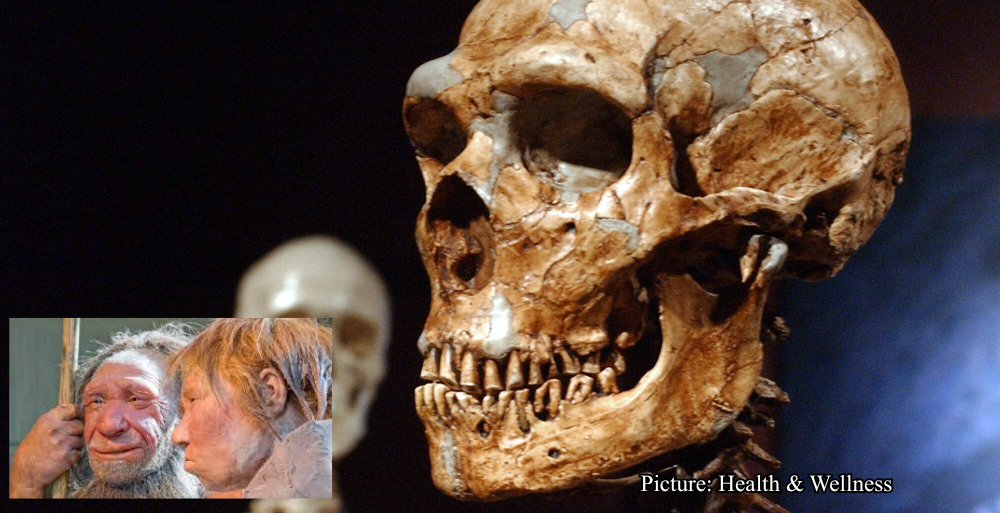
The latest genetic analysis sheds light on the complex and intriguing interactions between ancient humans and Neanderthals, suggesting that interbreeding was more common than previously thought, particularly between female Homo sapiens and male Neanderthals.
In the ever-evolving narrative of human ancestry, the relationship between our Homo sapiens ancestors and their Neanderthal counterparts continues to captivate scientists and the public alike. Recent genetic analysis has unveiled surprising details about these ancient interactions, suggesting that interbreeding events may have been more frequent and socially complex than previously understood. This revelation comes from a study that delves into the genetic remnants left behind in modern human DNA, offering a glimpse into the intimate encounters that shaped our evolutionary history.
The study, conducted by a team of geneticists, anthropologists, and archaeologists, utilized cutting-edge DNA sequencing technologies to analyze the genomes of modern humans from diverse populations. The focus was on identifying Neanderthal genetic markers that persist in contemporary human DNA, providing clues about the nature of ancient interbreeding events. The findings indicate a significant skew in the genetic contributions, with more Neanderthal DNA being passed down through the maternal line. This suggests that couplings between female Homo sapiens and male Neanderthals were more prevalent than the reverse.
This discovery challenges the long-standing assumption that interbreeding was a rare and opportunistic occurrence, driven by chance encounters between these two hominin groups. Instead, the genetic evidence hints at a more structured interaction, possibly involving social dynamics that favored specific pairings. The implications of these findings extend beyond the realm of genetic inheritance, prompting a reevaluation of the social and cultural exchanges that might have occurred during these prehistoric interactions.
Historically, the relationship between Homo sapiens and Neanderthals has been depicted as a brief and sporadic affair, occurring primarily in Europe and the Middle East around 50,000 to 40,000 years ago. However, the new genetic data suggests a more nuanced picture, with interbreeding events potentially occurring over a longer period and across a wider geographical range. This broader perspective aligns with recent archaeological discoveries that point to overlapping habitats and shared technologies between the two groups.
One of the most intriguing aspects of this study is the insight it provides into the social structures of both Homo sapiens and Neanderthals. The preference for female Homo sapiens and male Neanderthal pairings raises questions about the societal norms and mating strategies of these ancient populations. It is possible that female humans were integrated into Neanderthal groups through established social practices, perhaps as a means of alliance building or resource sharing. Alternatively, these pairings could have been driven by the relative scarcity of mates within isolated communities, leading to strategic unions that enhanced the survival prospects of offspring.
The genetic legacy of these ancient couplings is evident in modern human populations, with varying degrees of Neanderthal ancestry observed across different regions. Populations in Europe and Asia, for instance, carry a higher percentage of Neanderthal DNA compared to those in Africa, reflecting the historical migration patterns and interbreeding events that occurred as Homo sapiens expanded out of Africa. This genetic mosaic not only enriches our understanding of human diversity but also underscores the interconnectedness of our species’ evolutionary journey.
Beyond the academic implications, these findings resonate with broader cultural and philosophical questions about identity and heritage. The enduring presence of Neanderthal DNA in modern humans serves as a reminder of the shared history and common ancestry that unite all people. It challenges the notion of distinct and isolated human lineages, highlighting instead the fluidity and adaptability that have characterized our species’ evolution.
As researchers continue to unravel the genetic tapestry of our past, new technologies and methodologies promise to further illuminate the complex interactions between ancient hominin groups. Future studies may uncover additional layers of genetic exchange, revealing yet more about the social and environmental factors that shaped our ancestors’ lives. In the meantime, the current findings invite us to reconsider the narratives we construct about our origins and to embrace the rich tapestry of influences that have contributed to the human story.
In conclusion, the latest genetic analysis provides a fascinating glimpse into the ancient world, where humans and Neanderthals not only coexisted but also intertwined their destinies through repeated and meaningful interactions. This research not only enriches our understanding of human evolution but also invites us to reflect on the enduring connections that bind us to our distant relatives. As we look to the future, the lessons of our past continue to inform and inspire, reminding us of the shared journey that has brought us to where we are today.






No Comment! Be the first one.