






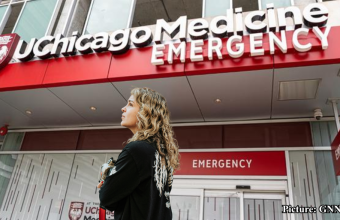
A recent study highlights the lifesaving impact of the University of Chicago Medicine’s Level 1 trauma center, which has led to a nearly 4% reduction in firearm mortality rates in nearby neighborhoods since its opening in 2018.
CHICAGO — A significant new study published in JAMA Surgery reveals that the establishment of the University of Chicago Medicine’s Level 1 trauma center in May 2018 has been instrumental in reducing firearm-related deaths in the South Side neighborhoods of Chicago. This research, which examined over 45,000 firearm incidents from 2010 to 2024, found a nearly 4% decrease in firearm mortality following the center’s launch, underscoring the vital importance of timely access to specialized trauma care.
Study Overview and Methodology
The research, led by Dr. Michael Poulson, a trauma surgery fellow at UChicago Medicine, involved a meticulous analysis of public data regarding firearm-related incidents across the city. The team utilized advanced mapping tools and statistical techniques to assess changes in travel times, distances to trauma care, and associated mortality rates before and after the trauma center’s operational start. This comprehensive approach allowed researchers to isolate the effects of the center from broader trends in firearm violence.
The findings showed that the average time for shooting victims to reach a trauma facility decreased by nearly 10 minutes post-opening, while the distance traveled to the nearest trauma center shrank by about 3.4 miles. These significant improvements in access were not observed in other parts of Chicago, emphasizing the localized benefits of the trauma center.
Impact on Mortality Rates
According to the study, the percentage of shooting victims who died within the trauma center’s service area fell by 3.9% after its opening. Dr. Poulson provided a sobering perspective on these statistics, noting, “To put that in perspective, for every 1,000 shooting injuries in the service area, our estimates suggest about 39 lives were saved who might not have survived without this improved access.” He added that the ability to survive a gunshot wound significantly impacts the lives of victims and their families, allowing for recovery and rehabilitation.
This reduction in mortality stands in stark contrast to previous trends in Chicago, where firearm violence has historically led to increasing fatalities. The study illustrates how improved access to trauma care can make a tangible difference in survival rates and community health outcomes.
Expert Insights
Dr. Selwyn O. Rogers, Jr., the founding director of the trauma center and Section Chief of Trauma and Acute Care Surgery, highlighted the urgency of rapid medical intervention, stating, “This is a clear example of how improving access to trauma care has a tangible, lifesaving effect. When someone suffers a critical injury, every minute between injury and treatment matters.” His remarks reflect a broader understanding of the critical role that timely emergency medical services play in saving lives, particularly in urban settings plagued by gun violence.
Policy Recommendations
The authors of the study recommend that health policymakers and healthcare systems use such analyses to inform decisions about the placement of trauma centers, particularly in urban areas with high rates of firearm violence. Dr. Poulson emphasized the importance of data-driven strategies, stating, “Data like this can help ensure that resources for emergency care are invested where they will make the biggest difference.” This approach advocates for a more equitable distribution of healthcare resources in communities most impacted by violence.
Broader Context and Future Implications
The implications of this study extend beyond Chicago, offering a potential roadmap for other cities grappling with similar challenges related to firearm mortality. The research suggests that sustained attention to trauma system planning, including the strategic placement of trauma centers, could lead to improved outcomes in urban areas nationwide. By prioritizing locations affected by violence, communities may achieve significant reductions in mortality rates among shooting victims.
Furthermore, the study contributes to the ongoing discourse surrounding gun violence and public health, highlighting the critical need for targeted healthcare interventions in vulnerable communities. As cities strive to address the complexities of firearm violence, the success of trauma centers like that of the University of Chicago Medicine may serve as a model for proactive strategies aimed at saving lives and lessening the impact of such violence.
The research, titled “Firearm Mortality and Equitable Access to Trauma Care in Chicago,” underscores the necessity of aligning healthcare strategies with community needs to effectively tackle public health crises. As awareness of the trauma center’s impact spreads, other urban areas might adopt similar frameworks, enhancing their capacity to mitigate firearm-related injuries and fatalities.
In summary, the establishment of specialized trauma centers in areas with high rates of gun violence not only saves lives but also fosters a greater understanding of how healthcare resources can be optimized to meet the urgent needs of communities. With continued focus on trauma care accessibility, cities across the nation may find pathways to improve health outcomes for the most vulnerable populations.



No Comment! Be the first one.