




A new study reveals a potential method to cure type 1 diabetes in mice by creating a blended immune system, offering hope for future treatments in humans.
In a groundbreaking study published in the January issue of The Journal of Clinical Investigation, researchers from Stanford University have successfully cured type 1 diabetes in mice without the need for long-term immune suppression. This innovative approach could reshape the future of treatment for this chronic autoimmune disease, which currently affects millions of people worldwide.
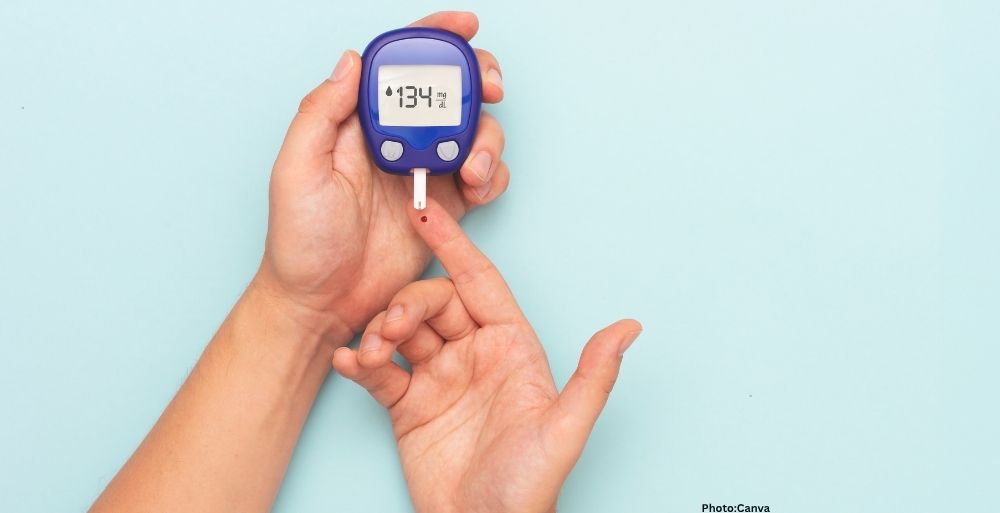
Type 1 diabetes is characterized by the immune system’s erroneous attack on insulin-producing islet cells in the pancreas, leading to a lifelong dependence on insulin injections. Individuals with this condition face a multitude of complications, including cardiovascular disease, kidney failure, and vision impairment, underscoring the urgent need for effective therapies.
Historical Context and Treatment Challenges
For decades, the transplantation of islet cells from cadaver donors has been considered a viable option for treating type 1 diabetes. However, these procedures have been severely limited by the requirement for patients to undergo lifelong immunosuppressive therapy to prevent their bodies from rejecting the transplanted cells. This necessity arises from the body’s natural inclination to reject foreign tissues, making islet transplants feasible only in clinical trials or in conjunction with other organ transplants, such as kidneys or livers.
The research team, led by Dr. Judith Shizuru, a professor of medicine at Stanford, focused on addressing the immune rejection issue by utilizing a combination of bone-marrow stem cells and islet cells from the same donor. Dr. Shizuru explained, “If you have a mixture of donor and recipient, the donor’s immune system can influence the behavior of the immune cells of the recipient.” This insight provided a foundation for exploring a more integrated approach to cell transplantation.
Methodology and Findings
The researchers devised a multistep conditioning protocol designed to create a more favorable environment for the donor stem cells. This innovative regimen involved the use of multiple antibodies, low-dose radiation, and a rheumatoid arthritis medication known as baricitinib. The aim was to make space in the recipient’s bone marrow for the donor’s stem cells without completely depleting the host’s own stem cells. Shizuru likened the process to “musical chairs,” emphasizing the need to remove the host’s stem cells to accommodate the donor cells.
The results were promising; the conditioning process successfully reeducated the recipient mice’s immune systems to accept the transplanted islet cells. Remarkably, the mice continued to produce insulin 20 weeks post-transplant without showing signs of immune rejection. Post-mortem analyses confirmed that the immune systems of the mice remained functional and balanced, which is crucial for the long-term viability of such transplants.
Future Implications and Challenges
While this research marks a significant advancement in the quest for a cure for type 1 diabetes, experts acknowledge that substantial challenges remain before such treatments can be applied to humans. Dr. John DiPersio, an oncologist at Washington University in St. Louis who authored an accompanying commentary in the journal, pointed out that some of the antibodies used in the study do not have approved counterparts for human use. Furthermore, the requirement for obtaining both bone marrow and islets from the same donor presents logistical difficulties given the current scarcity of suitable islet donors.
Another critical aspect is the delicate balance required to maintain a mixed immune system over extended periods. While the researchers successfully achieved this balance in mice—whose average lifespan is significantly shorter than that of humans—DiPersio noted, “If the balance shifted, the islets could gradually die or you could get a dangerous tissue rejection reaction.” Maintaining this equilibrium in a human context, where individuals may live for decades, poses a complex challenge.
Regulatory and Ethical Considerations
As researchers move forward with plans to validate the safety and efficacy of this new approach, regulatory hurdles will also need to be addressed. Clinical trials will be essential to assess how well this method translates from animal models to human patients. This transition often involves extensive scrutiny from regulatory bodies, which typically require robust evidence of safety and efficacy before allowing new treatments to reach the market.
Moreover, ethical considerations surrounding the use of human donors for islet cells and bone marrow will be paramount. Ensuring that donors are treated with respect and that their contributions are ethically sourced will be critical components of any future clinical applications.
The Road Ahead
The implications of this study are profound, potentially paving the way for new treatment protocols in humans if the safety and efficacy of the approach can be validated through further clinical trials. As the research progresses, the scientific community remains cautiously optimistic about the potential for a functional cure for type 1 diabetes.
This study not only highlights a promising avenue for treating type 1 diabetes but also exemplifies the innovative spirit of modern biomedical research. As scientists continue to explore the complexities of the immune system and its interactions with transplanted tissues, the hope for more effective treatments for chronic diseases such as diabetes grows ever more tangible.



No Comment! Be the first one.