





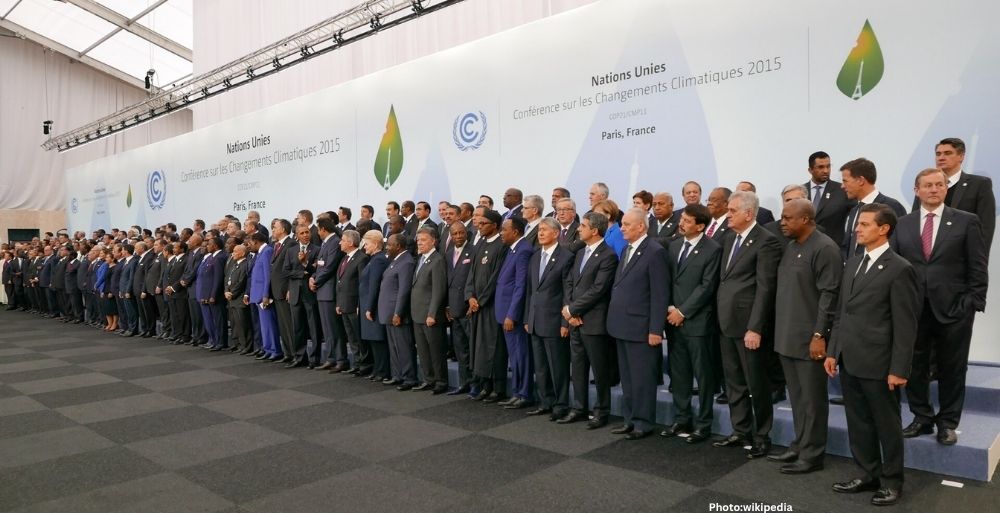
India has officially withdrawn its offer to host the 33rd annual Conference of the Parties (COP33) of the United Nations Framework Convention on Climate Change (UNFCCC), a move that raises questions about the country’s climate commitments and international leadership.
SINGAPORE, April 8 (Reuters) – In a significant development regarding international climate diplomacy, India has retracted its proposal to host the United Nations’ annual climate Conference of the Parties (COP33) in 2028. This decision was communicated to relevant stakeholders earlier this month, according to two government officials familiar with the matter. The rationale for the withdrawal remains unspecified, with officials opting to remain anonymous due to the sensitivity of the situation.
This announcement marks a departure from Prime Minister Narendra Modi’s earlier commitment made during the 2023 climate discussions, where he proposed India as the host for COP33. Currently, the federal ministry for environment and climate change has not provided a public comment, leaving many in the climate community and policy circles seeking clarification on India’s future role in global climate governance.
Context Surrounding the Withdrawal
As the world’s third-largest emitter of greenhouse gases, India’s involvement in global climate discussions is critical. Hosting COP33 would have afforded India a platform to showcase its climate policies and enhance its stature as a leader in international climate action. Climate Home News, the first outlet to report on the withdrawal, noted that the decision followed a “review of its commitments” for the 2028 summit. This information was disclosed in a letter addressed to the chair of the Asia-Pacific Group by an Indian official, although details of the letter have not been made public.
The UNFCCC secretariat has also not provided immediate comments regarding the implications of India’s decision. Historically, COP summits are instrumental in shaping global climate policy, with nations negotiating binding agreements to mitigate climate change impacts. India’s absence as a host raises concerns about its commitment to these crucial international discussions.
Implications for India’s Climate Policy
India’s withdrawal from hosting COP33 brings to the forefront critical questions regarding its future commitments to international climate agreements. The country has faced mounting pressure to intensify its climate action efforts, especially as it grapples with rising carbon emissions and the increasing adverse effects of climate change domestically.
In recent years, India has made notable strides in renewable energy investments, targeting 450 gigawatts of renewable energy capacity by 2030. However, the nation continues to rely heavily on coal for its energy production, complicating its climate narrative. This reliance on fossil fuels has drawn criticism not only from environmentalists but also from other countries advocating for a more rapid transition to clean energy sources.
The decision to withdraw from hosting COP33 could be perceived as a strategic retreat or a recalibration of priorities as India reassesses its capabilities and commitments within the global climate framework. The complexities surrounding this decision highlight the challenges India faces in balancing economic growth with environmental sustainability.
Future Prospects and Global Climate Diplomacy
The ramifications of India’s decision are likely to resonate throughout both domestic and international climate discussions. As nations gear up for upcoming climate conferences, including COP28 scheduled in the United Arab Emirates later this year, India’s absence as a host may affect its influence on negotiation outcomes. Stakeholders and observers will closely monitor how this withdrawal impacts India’s diplomatic relations within the Asia-Pacific region and its overall standing in global climate leadership.
As the world grapples with the urgent challenges posed by climate change, the next steps taken by India will be crucial for its national and international climate agenda. Whether this withdrawal signifies a broader shift in India’s climate strategy or is merely a temporary pause remains uncertain, but it indeed underscores the intricate dynamics of global climate diplomacy.
Moreover, India’s decision comes at a time when global efforts to combat climate change are intensifying. The upcoming COP28 will focus on critical topics such as emissions reductions, climate finance, and adaptation strategies, all of which directly impact India’s climate policy and its commitments under the Paris Agreement. How India navigates its role in these discussions post-COP33 withdrawal will be closely scrutinized by both domestic and international observers.
In conclusion, while India’s retraction from hosting COP33 raises questions about its climate commitments and leadership, it also presents an opportunity for reflection and strategic reassessment. As climate change continues to pose existential threats globally, India’s ability to adapt its policies and engage constructively in international negotiations will be vital for both its own future and the global climate agenda.





No Comment! Be the first one.