





Govt to Roll Out HPV Vaccination Drive Later This Month to Prevent Cervical Cancer: Single-Dose Shot for 14-Year-Olds

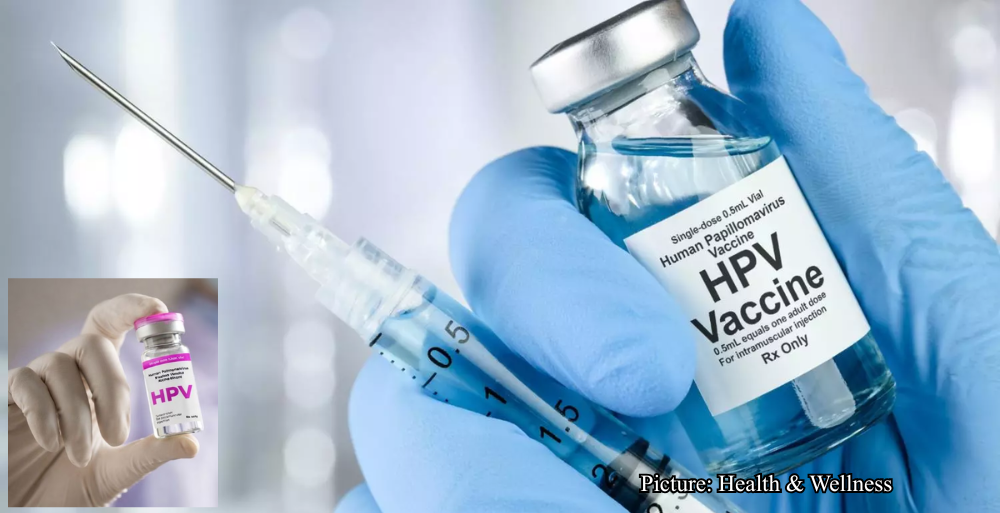
The government is set to launch a comprehensive HPV vaccination campaign aimed at 14-year-old girls, offering a single-dose vaccine to prevent cervical cancer. This initiative will be available for the first 90 days at government health centers.
The upcoming launch of a nationwide HPV vaccination drive marks a significant step in public health policy, aiming to curb the incidence of cervical cancer among young women. This initiative is set to commence later this month, targeting 14-year-old girls with a single-dose vaccine, available across government health facilities for the initial 90 days. This move comes as part of a broader strategy to improve preventive healthcare and reduce the burden of cervical cancer, a disease that remains a leading cause of cancer-related mortality among women worldwide.
Cervical cancer is predominantly caused by persistent infection with high-risk strains of the human papillomavirus (HPV), a common sexually transmitted infection. The introduction of the HPV vaccine has been a game-changer in the fight against this disease. Studies have shown that vaccination can prevent most cases of cervical cancer if administered before girls or women are exposed to the virus. The government’s decision to focus on 14-year-olds aligns with global recommendations, as this age group is generally pre-sexual debut, making the vaccine most effective.
The World Health Organization (WHO) has long advocated for the widespread adoption of HPV vaccination as part of a comprehensive approach to cervical cancer prevention, which also includes regular screening and treatment of pre-cancerous lesions. Countries that have implemented national HPV vaccination programs have reported significant reductions in the prevalence of HPV infections and related cervical abnormalities. For instance, Australia, a pioneer in HPV vaccination, has seen a dramatic decline in cervical cancer rates, setting a global benchmark.
In India, cervical cancer poses a significant public health challenge. It is the second most common cancer among women, with thousands of new cases diagnosed each year. The introduction of an HPV vaccination program is a critical intervention in a country where access to regular cervical screening is limited, particularly in rural areas. By targeting 14-year-olds, the government aims to establish a routine immunization schedule that will eventually cover broader age groups, ensuring sustained protection against HPV.
The decision to offer a single-dose vaccine is noteworthy. Recent research, including studies conducted by the WHO, suggests that a single dose of the HPV vaccine may be sufficient to provide long-lasting protection against the virus. This finding has significant implications for vaccination strategies, particularly in low- and middle-income countries where healthcare resources are limited. A single-dose regimen not only reduces costs but also simplifies logistics, making it easier to achieve high coverage rates.
However, the success of this vaccination drive will depend on several factors, including public awareness, accessibility, and the ability to dispel myths and misconceptions surrounding vaccines. Vaccine hesitancy remains a challenge globally, fueled by misinformation and distrust in healthcare systems. It is crucial for the government to engage in robust public education campaigns, highlighting the safety and efficacy of the HPV vaccine and its role in preventing cervical cancer.
Collaboration with schools, community leaders, and healthcare providers will be essential to ensure the success of this initiative. Schools can serve as effective platforms for vaccination, reaching large numbers of eligible girls. Meanwhile, healthcare providers play a critical role in counseling parents and guardians, addressing concerns, and encouraging vaccine uptake.
The rollout of the HPV vaccination program also presents an opportunity to strengthen the overall healthcare infrastructure. By integrating vaccination services into existing healthcare systems, the government can improve access to preventive care and enhance the delivery of other essential health services. This initiative could serve as a model for future public health campaigns, demonstrating the importance of preventive measures in reducing the burden of disease.
In conclusion, the government’s decision to launch an HPV vaccination drive for 14-year-old girls is a commendable step towards reducing the incidence of cervical cancer. By focusing on prevention, the initiative has the potential to save countless lives and improve the health and well-being of future generations. As the campaign unfolds, sustained efforts will be needed to ensure high coverage rates and address any challenges that arise. With effective implementation and community engagement, this vaccination drive could pave the way for a healthier future, free from the threat of cervical cancer.





No Comment! Be the first one.