






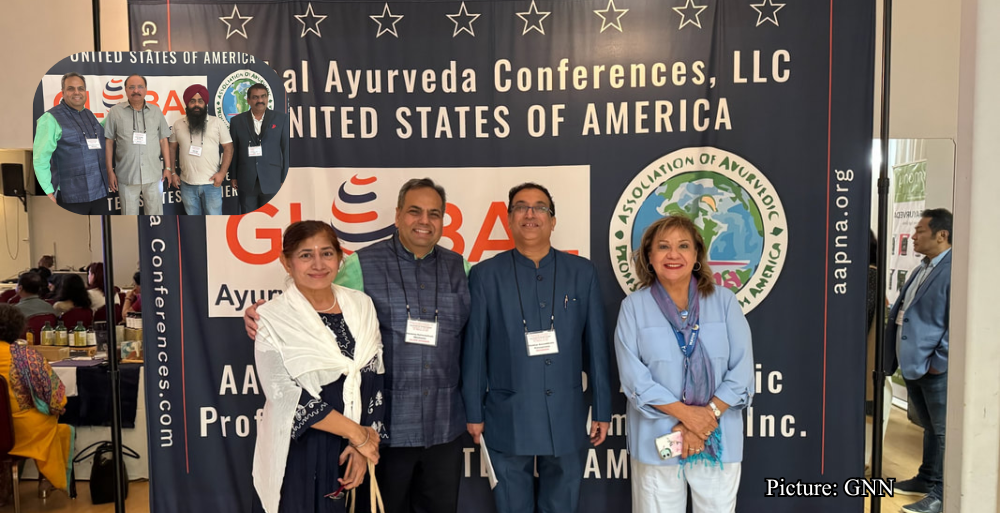
The California Association of Ayurvedic Medicine hosts a three-day conference focused on the integration of traditional Ayurvedic practices with modern healthcare approaches, attracting global experts and practitioners.
The California Association of Ayurvedic Medicine (CAAM) is hosting the “Conscious Health with Ayurveda Luminaries” conference from March 20 to 22, 2026, in Milpitas, California. This event aims to unite practitioners, scholars, and policymakers to explore the growing global interest in Ayurveda, a traditional Indian system of medicine that emphasizes balance, holistic health, and preventive care.
In recent years, Ayurveda has gained traction as a complementary approach to modern medicine, particularly as healthcare systems increasingly acknowledge the importance of holistic well-being. CAAM describes its international conference as a gathering “where ancient wisdom meets modern insight,” reflecting a commitment to fostering dialogue that bridges traditional practices and contemporary scientific knowledge.
Theme and Objectives of the Conference
The theme of this year’s conference, “Luminary,” celebrates the guiding light within each individual, emphasizing the transformative power of knowledge and the potential to turn ambition into purpose. CAAM, a nonprofit professional organization dedicated to promoting and safeguarding Ayurvedic practices in California, has articulated that the conference aims to not only advance the understanding of Ayurveda but also to inspire participants to apply their learnings in practical and impactful ways.
Inauguration Highlights and Global Context
The conference was inaugurated by Abhishek Sharma, the Consul for Economic Affairs and Visa at the Consulate General of India in San Francisco. Sharma underscored India’s ongoing efforts to promote Ayurveda on a global scale, highlighting initiatives led by the Indian Ministry of AYUSH (Ayurveda, Yoga and Naturopathy, Unani, Siddha, and Homeopathy). He noted that Ayurveda’s relevance is increasingly recognized within integrative health care frameworks, indicating a shift toward more collaborative health practices worldwide.
Joining Sharma at the inauguration were notable figures such as Dr. David Frawley, a respected Vedic scholar and Ayurveda expert, and Bhushan Patwardhan, an Ayurveda researcher and former vice chairman of the University Grants Commission in India. Their participation reinforces the conference’s role as a significant platform for sharing insights and advancements in Ayurvedic practices, fostering international collaboration, and integrating traditional wisdom into modern health paradigms.
Conference Programming and Educational Opportunities
The conference features a robust agenda comprising lectures, panel discussions, and experiential sessions led by leading practitioners and researchers in Ayurveda. Topics span a wide array of subjects, including integrative medicine, mental health, and the applications of Ayurveda in the digital age. This reflects an effort to connect ancient wisdom with contemporary scientific methods and technological advancements, aiming to enhance the understanding and application of Ayurveda in today’s healthcare landscape.
For attendees participating in person, the conference offers a rich experience, including talks from prominent Ayurveda luminaries, guided sessions, and the opportunity to earn 15 PACE (Professional Ayurvedic Continuing Education) credits approved by the National Ayurvedic Medical Association. Certification for these credits is available upon request, adding an educational incentive for professionals in the field. Additionally, Ayurvedic meals will be provided, allowing participants to engage with the culinary aspects of Ayurveda firsthand.
Marketplace and Community Engagement
The event also includes the CAAM Ayurveda Mela, a marketplace where attendees can interact with curated vendors, brands, and artisans. This component of the conference aims to foster community interaction and support the local Ayurveda economy, creating opportunities for practitioners and attendees to connect and share experiences. Networking opportunities will also be available, allowing participants to build relationships within the Ayurveda community and discuss collaborative initiatives.
For those unable to attend in person, the conference provides full virtual access to all main sessions through livestream. Online participants will have the chance to engage in interactive Q&A sessions and will receive access to recordings of the sessions after the event concludes, ensuring that the insights shared during the conference are accessible to a broader audience.
Historical Context and Future Implications
The growing interest in Ayurveda can be attributed to a broader global trend toward holistic and integrative health practices. As more individuals and healthcare providers seek alternative approaches to wellness, traditional systems like Ayurveda are increasingly integrated alongside conventional medicine. Events such as the “Conscious Health with Ayurveda Luminaries” conference not only highlight the contemporary relevance of these practices but also pave the way for future research and integration into mainstream healthcare models.
Historically, Ayurveda has been practiced for thousands of years, with roots tracing back to ancient India. Its principles emphasize prevention, balance, and the interconnectedness of body, mind, and spirit. As healthcare evolves to embrace a more holistic view, the role of Ayurveda may continue to expand, influencing policy decisions and healthcare practices not only in California but globally.
As the conference progresses, participants are poised to gain valuable insights that could contribute to the evolution of Ayurvedic practices and their applications in a modern context. The discussions and collaborations fostered during this event may have lasting impacts on healthcare policies and practices, reinforcing the importance of integrating traditional knowledge with modern scientific approaches.


No Comment! Be the first one.