





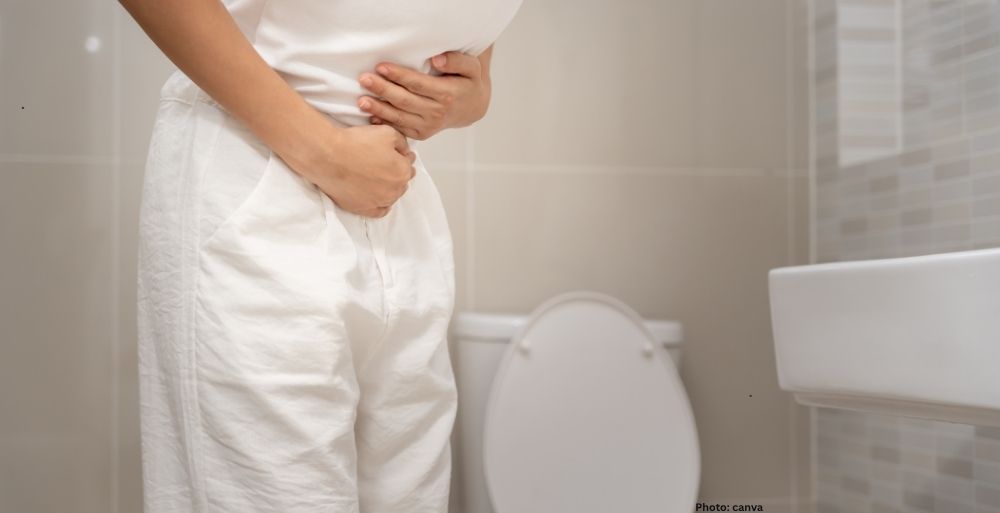
Approximately 15% of adults in the United States experience chronic constipation, which can be alleviated through simple lifestyle changes, particularly an evening walk, according to gastroenterologists.
In the United States, an estimated 15% of adults grapple with chronic constipation, a condition that can significantly impact daily life and well-being. As awareness of this common gastrointestinal issue grows, health experts are advocating for straightforward yet effective lifestyle adjustments to improve digestive health. One such recommendation is to incorporate a brisk walk after dinner into one’s routine, a practice endorsed by several gastroenterologists who highlight the numerous benefits of moderate physical activity for gut health.
The Scope of Constipation
Constipation is defined as infrequent or difficult bowel movements and can lead to a range of uncomfortable symptoms, including bloating and abdominal pain. Factors contributing to this condition include insufficient dietary fiber, sedentary lifestyles, and increasing stress levels among adults. According to the American Gastroenterological Association, constipation can severely affect a person’s quality of life, leading to emotional distress and even social withdrawal.
Dr. Kenneth Brown, a gastroenterologist specializing in digestive disorders, underscores the importance of physical activity in promoting regular bowel movements, stating, “Physical activity can help stimulate the muscles in your intestines and promote regular bowel movements.” This sentiment is echoed by Dr. Supriya Rao, who emphasizes the benefits of evening walks, noting that they provide a gentle form of exercise that enhances gut motility without raising cortisol levels, which can interfere with sleep.
The Benefits of Evening Walks
The practice of taking a walk after dinner serves as an accessible means of encouraging intestinal movement. Dr. Michael Bass, another gastroenterologist, points out that such walks can also provide relief from bloating, a frequent complaint among those suffering from constipation. He explains, “Short walks after eating in the evenings can help relieve common gastrointestinal complaints like bloating and flatulence.” Unlike over-the-counter medications, which may offer limited relief for these symptoms, walking is a free, natural, and health-promoting activity that individuals can integrate into their daily lives.
Moreover, walking contributes to gastrointestinal health by stimulating digestion and aiding the expulsion of gas, thereby alleviating discomfort. The simplicity and accessibility of this activity make it an attractive option for those seeking relief from constipation without relying on pharmaceutical interventions.
Stress and Its Impact on Gut Health
In addition to physical activity, the management of stress is emerging as a crucial component of maintaining gut health. A survey conducted in 2024 revealed that 43% of U.S. adults reported feeling more anxious than the previous year. Dr. Rao emphasizes the connection between stress and gastrointestinal health, noting, “Stress can disrupt your gut-brain connection, alter your gut microbiota, and can slow or speed up digestion, which can lead to bloating, constipation, and even diarrhea.” This cyclical relationship highlights the need for effective stress management techniques as part of a holistic approach to digestive health.
Fortunately, engaging in physical activities like walking can serve as a stress reliever. Research indicates that even short bursts of aerobic exercise can improve mood, enhance sleep quality, and boost self-esteem. Additionally, walking in social settings—such as with friends or family—can provide emotional support and motivation to maintain regular physical activity. Notably, studies have shown that young Japanese adults who exercised regularly in groups had lower rates of constipation, suggesting a potential link between social interaction, mental health, and digestive well-being.
Additional Strategies for Digestive Health
While evening walks provide significant benefits for combating constipation, experts recommend several additional strategies to enhance digestive health:
- Hydration: Maintaining adequate hydration is essential for preventing constipation. Dr. Brown advises drinking water throughout the day, particularly during meals, to ensure that stools remain soft and easily passed. This is especially important for individuals who may hesitate to drink fluids in the evening to avoid nighttime bathroom trips.
- Meditation and Breathwork: Calming practices such as deep breathing, meditation, and gentle yoga can improve sleep quality, which in turn positively impacts gut health. Dr. Roshini Raj recommends incorporating these practices into one’s evening routine to lower stress levels and promote relaxation.
- High-Fiber Dinner: Including fiber-rich foods—such as fruits, vegetables, nuts, seeds, and whole grains—in evening meals is essential for maintaining healthy digestion. Dr. Rao highlights that fiber adds bulk to stools, facilitating their movement through the digestive tract, thereby reducing the likelihood of constipation.
Conclusion
For individuals struggling with constipation, implementing simple adjustments to their evening routines can yield substantial improvements in digestive health. An evening walk can stimulate intestinal muscles, alleviate stress, and promote regular bowel movements. Coupled with adequate hydration, a fiber-rich diet, and stress management techniques, these strategies can significantly enhance digestive health and overall well-being.
Health professionals continue to advocate for lifestyle changes that prioritize physical activity and mental health, recognizing their interconnectedness in addressing gastrointestinal issues. As more individuals become aware of these options, there is significant potential for improving the quality of life for many who struggle with constipation and associated digestive disorders.





No Comment! Be the first one.