





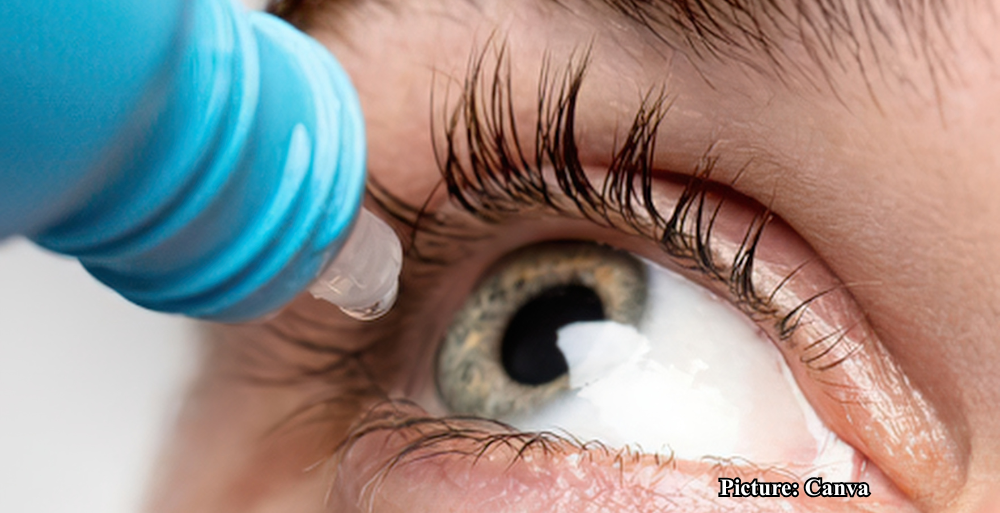
A voluntary recall of over 3.1 million eye drop products has been initiated by K.C. Pharmaceuticals, Inc., following concerns about sterility. The FDA has classified the recall as a “Class II” designation, indicating a risk of temporary health effects.
TOPEKA, KS – In a significant health advisory, the U.S. Food and Drug Administration (FDA) announced on April 1, 2026, that K.C. Pharmaceuticals, Inc., a Pomona, California-based pharmaceutical company, is voluntarily recalling more than 3.1 million bottles of eye drops distributed nationwide. The FDA cited a lack of assurance regarding the sterility of these products as the primary reason for the recall.
The affected products were sold through various retail outlets, including major chains such as Kroger and Walgreens, raising concerns among consumers about the potential health risks associated with using these eye drops.
Recall Classification and Health Risks
The FDA has classified this recall as a “Class II” designation, which applies to situations where the use or exposure to a violative product may cause temporary or medically reversible adverse health consequences. The agency further indicated that the probability of serious adverse health consequences is remote. This classification is significant as it informs consumers and health professionals about the potential risks involved with the recalled products.
Specifics of the recall detail a variety of products, each with unique lot and UPC codes. The recall list includes:
- Sterile Eye Drops AC (tetrahydrozoline HCl 0.05%, zinc sulfate 0.25%) – 182,424 bottles
- Eye Drops Advanced Relief (dextran 70 0.1%, polyethylene glycol 400 1%, and tetrahydrozoline HCl 0.05%) – 303,216 bottles
- Dry Eye Relief Eye Drops (glycerin 0.2%, hypromellose 0.2%, and polyethylene glycol 400 1%) – 1,023,096 bottles
- Ultra Lubricating Eye Drops (polyethylene 400 0.4%, propylene glycol 0.3%) – 245,184 bottles
- Sterile Eye Drops Original Formula (tetrahydrozoline HCl 0.05%) – 378,144 bottles
- Sterile Eye Drops Redness Lubricant (glycerin 0.25% and naphazoline HCl 0.012%) – 315,144 bottles
- Sterile Eye Drops Soothing Tears (polyethylene glycol 400 0.4% and propylene glycol 0.3%) – 74,016 bottles
- Artificial Tears Sterile Lubricant Eye Drops (polyvinyl alcohol 0.5%, povidone 0.6%) – 589,848 bottles
Each product has associated lot codes and UPC codes that consumers can use to identify affected items. For instance, the Sterile Eye Drops AC, which have been flagged, include multiple lot codes with expiration dates extending into 2026.
Consumer Guidance and Action Steps
Consumers who possess any of the recalled eye drop products are advised to stop using them immediately and to dispose of them safely. The FDA encourages individuals to report any adverse reactions or quality problems related to these products through the MedWatch program, which is the FDA’s reporting system for adverse events.
As the recall unfolds, K.C. Pharmaceuticals has committed to cooperating fully with the FDA and taking necessary steps to ensure that public safety is prioritized. The company has not yet released a statement regarding the specific measures it will implement to rectify the situation.
This incident highlights the ongoing importance of regulatory oversight in the pharmaceutical industry, particularly concerning products that directly affect consumer health. The FDA’s proactive stance on recalls aims to mitigate risks and ensure that consumers have access to safe and effective health products.
Historical Context of FDA Recalls
Recalls such as this are not uncommon within the pharmaceutical industry. The FDA frequently monitors the safety of over-the-counter products, including eye drops, which can pose significant health risks if not manufactured under strict sterility guidelines. Previous recalls of eye drop products have often been attributed to contamination issues, underscoring the critical need for rigorous quality control throughout the manufacturing process.
The agency’s classification of recalls into different categories—Class I, II, and III—serves to inform the public about the severity of the risks associated with specific products. Class I recalls involve situations where there is a reasonable probability that the use of the product will cause serious adverse health consequences or death, while Class III recalls pertain to products that are not likely to cause adverse health consequences.
In the case of K.C. Pharmaceuticals, the Class II designation reflects a careful assessment by the FDA, providing consumers with essential information while also allowing the company to address the sterility issues without immediate panic among users.
Conclusion
As the situation develops, further updates from K.C. Pharmaceuticals and the FDA are anticipated. Consumers are urged to stay informed and take appropriate actions to ensure their health and safety regarding the recalled eye drop products.




No Comment! Be the first one.