





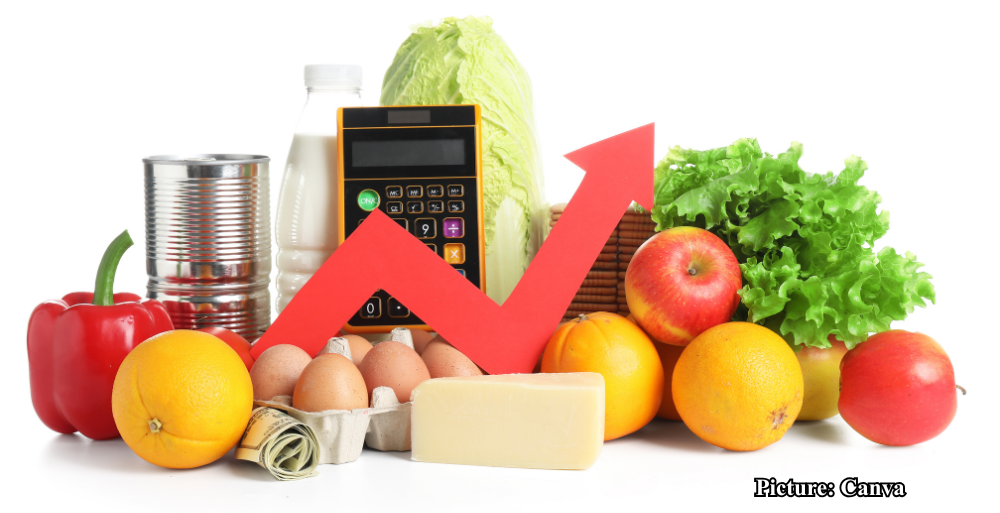
The Food and Agriculture Organization of the United Nations cautions that the ongoing conflict in West Asia could lead to higher global food prices if it continues beyond 40 days, primarily due to increased energy costs impacting agricultural production.
NEW DELHI — The Food and Agriculture Organization (FAO) of the United Nations has issued a warning indicating that global food commodity prices may rise further if the conflict in West Asia persists beyond the 40-day mark. This caution stems from the rising energy costs that are increasingly exerting pressure on agricultural production systems worldwide.
The FAO reported that its Food Price Index averaged 128.5 points in March 2023, which reflects a 2.4 percent increase from February and a 1 percent rise compared to March of the previous year. This marks the second consecutive monthly increase in the index, an indicator of the ongoing volatility in food prices.
According to FAO Chief Economist Maximo Torero, “Price rises since the conflict began have been modest, driven mainly by higher oil prices and cushioned by ample global cereal supplies.” However, he stressed the critical choices that farmers might face if the conflict extends beyond the 40-day threshold. Farmers may find themselves needing to decide between farming with fewer inputs, reducing the area planted, or switching to less intensive fertilization crops. Such decisions are likely to adversely affect future yields, thereby influencing food supplies and commodity prices not only for the remainder of this year but also well into the next.
Cereal Price Dynamics
The FAO’s analysis revealed a 1.5 percent increase in its Cereal Price Index from the previous month. This uptick was primarily propelled by a 4.3 percent rise in global wheat prices, which can be attributed to drought concerns in the United States and expectations of reduced planting in Australia due to escalating fertilizer costs. While maize prices saw slight gains due to rising energy costs and robust demand for ethanol, the availability of ample global supplies served to limit significant price increases. In contrast, the FAO All-Rice Price Index registered a decline of 3 percent, a change linked to seasonal harvest cycles, reduced import demand, and fluctuations in currency values.
Vegetable Oils and Meat Prices Surge
In March, vegetable oil prices experienced a notable increase of 5.1 percent, translating to a 13.2 percent rise compared to the same month a year earlier. This surge was driven by stronger demand for biofuels, which is closely tied to higher crude oil prices. Significant price increases were observed across various oil types, including palm, soy, sunflower, and rapeseed oils. Meanwhile, the FAO Meat Price Index recorded a 1 percent rise, largely influenced by increased prices for pig meat in the European Union and higher bovine meat prices in Brazil, both of which are linked to tighter cattle supplies. However, prices for ovine and poultry meat saw declines, partly due to logistical challenges affecting markets in the Near East.
Dairy and Sugar Market Changes
The dairy sector also faced upward pressure, with prices increasing by 1.2 percent in March. Contrarily, sugar prices surged dramatically, climbing by 7.2 percent. This increase is largely driven by expectations that Brazil would divert more sugarcane towards ethanol production in response to rising oil prices, despite favorable harvest conditions being reported in India and Thailand.
Global Wheat Production Forecast
The FAO’s report also provided insights into global wheat production, forecasting a total of 820 million tonnes for the current year. This figure indicates a 1.7 percent decrease from the previous year. Notably, most of this year’s wheat crop has already been planted, suggesting that future developments in the ongoing conflict and energy prices could have lasting implications on global food supplies.
Broader Implications for Global Food Security
The potential rise in food prices and the associated challenges underscore the complex interdependencies between geopolitical tensions and agricultural markets. As the conflict in West Asia evolves, the implications for global food security are increasingly concerning for policymakers and agricultural stakeholders worldwide. The FAO’s assessments serve as a critical reminder of the interconnectedness of global events and their impact on food availability.
In light of the FAO’s warnings, it is essential for governments, agricultural organizations, and international bodies to monitor developments closely. The interplay between energy costs, agricultural production choices, and geopolitical stability will play a crucial role in shaping food supply dynamics in the months to come. Policymakers are urged to consider these factors when formulating strategies to mitigate potential adverse impacts on food security and to ensure that agricultural systems remain resilient in the face of ongoing challenges.





No Comment! Be the first one.