






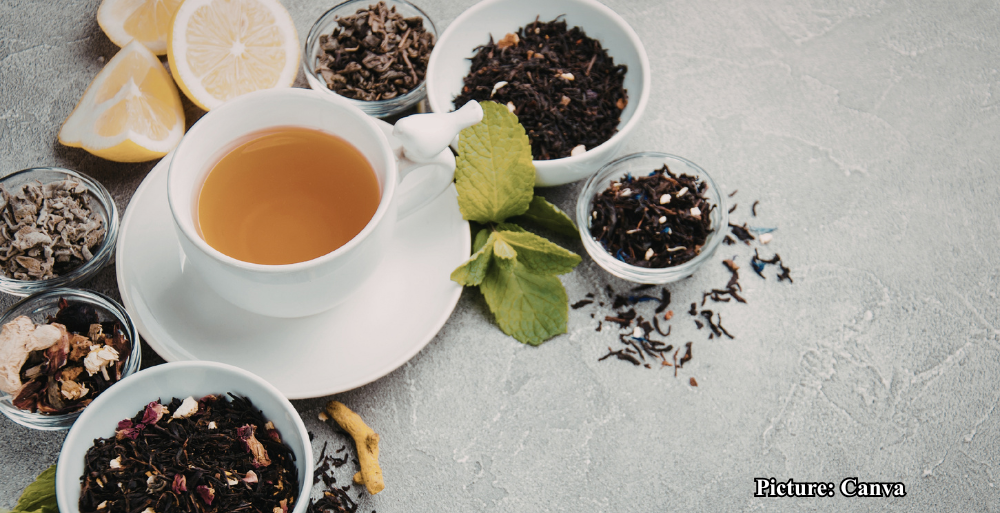
Research indicates that certain herbal teas, including hibiscus, chamomile, and green tea, may contribute to lower blood pressure and improved heart health, making them a valuable addition to wellness routines. However, they should not replace prescribed medical treatments.
In recent years, there has been growing interest in natural remedies for managing blood pressure, particularly through dietary choices. Studies suggest that specific herbal teas can play a supportive role in lowering blood pressure and promoting overall heart health. This report explores various types of herbal teas, their potential health benefits, and the scientific research backing these claims.
Hibiscus Tea
Hibiscus tea, derived from the flowers of the hibiscus plant, is recognized for its rich antioxidant content, which is believed to enhance cardiovascular health. A number of studies have highlighted hibiscus tea’s potential to lower blood pressure, particularly systolic blood pressure—the top number in a blood pressure reading. One study indicated that participants who consumed one cup of hibiscus tea twice daily for a month experienced a significant reduction in blood pressure levels. Researchers concluded that hibiscus tea could be an effective natural treatment for individuals with stage 1 hypertension.
Chamomile Tea
Chamomile, a well-known herbal remedy, is celebrated for its calming properties and its potential role in heart health. Stress and anxiety are major contributors to elevated blood pressure, and chamomile may help alleviate these conditions. Research suggests that chamomile has anti-hypertensive properties, which could be beneficial for those experiencing sleep disturbances linked to blood pressure issues. Its soothing effects make it a popular choice for those looking to relax, further contributing to its potential heart health benefits.
Green Tea
Green tea is another variety linked to reduced blood pressure levels, largely due to its content of catechin-type flavonoids. The effectiveness of green tea in managing blood pressure appears to be contingent on both the frequency and quantity of consumption. Some studies have shown that regular intake over an extended period yields the best results. Additionally, green tea has been associated with a decreased risk of cardiovascular disease, making it a valuable addition to the diets of those at risk for hypertension.
Black Tea
Similar to green tea, black tea contains compounds that aid in the relaxation of blood vessels. Research indicates that consuming three cups of black tea daily over a six-month period may lead to modest reductions in both systolic and diastolic blood pressure, typically between 2 and 3 mmHg. This suggests that black tea may also contribute positively to heart health, aligning with findings from other tea varieties.
Olive Leaf Tea
Olive leaves have long been recognized for their anti-hypertensive effects. A comprehensive review of twelve studies indicated that olive leaf extracts could significantly lower blood pressure in adults, particularly those with hypertension. One notable study found that individuals consuming olive leaf tea for four weeks saw substantial reductions in blood pressure levels, particularly among participants with type 2 diabetes and hypertension. This reinforces the potential of olive leaf tea as a natural remedy for blood pressure management.
Hawthorn Tea
Hawthorn tea, made from a shrub in the rose family, has shown promise in reducing blood pressure among individuals with mild hypertension. A systematic review suggested that products derived from hawthorn, such as tablets and drops, could lead to significant decreases in blood pressure when used over a twelve-week period. However, the research on hawthorn tea specifically remains limited, necessitating further investigation to confirm its effects.
Duration and Consumption
While the benefits of herbal teas for blood pressure management are supported by various studies, the duration of consumption and the quantity necessary to achieve noticeable improvements are still under discussion. Factors such as initial blood pressure levels, general health, and the type of tea consumed all play a role in the effectiveness of these herbal remedies. Most studies suggest that consistent daily consumption over several months is likely needed to observe significant changes.
Integrating Tea into a Healthy Lifestyle
Experts recommend that while herbal teas can be beneficial, they should complement a heart-healthy diet rich in fruits, vegetables, and whole grains, along with regular physical activity. A balanced lifestyle is crucial for effective blood pressure management.
Precautions
It is important for individuals to consider the caffeine content in certain teas, as high caffeine intake can adversely affect blood pressure and sleep quality. Additionally, some herbal teas may interact with medications, highlighting the importance of consulting healthcare professionals before incorporating new herbal remedies into one’s routine.
In conclusion, herbal teas such as hibiscus, chamomile, green tea, black tea, olive leaf, and hawthorn may offer supportive benefits for lowering blood pressure and enhancing heart health. However, individuals are advised to approach these natural remedies as complementary to, rather than replacements for, prescribed medical treatments.





No Comment! Be the first one.