




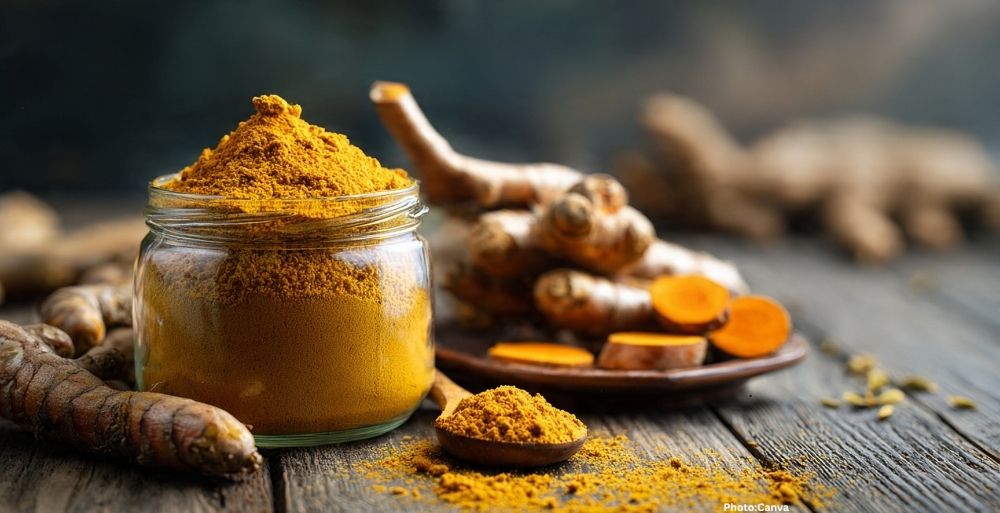
A study conducted by researchers at Saint Louis University indicates that curcumin, the primary active compound in turmeric, may reduce inflammation and oxidative stress in individuals with prediabetes and type 2 diabetes, presenting potential as a complementary treatment alongside standard medical therapies.
In a noteworthy advancement in diabetes research, a recent study published in the journal Inflammopharmacology has demonstrated that curcumin, the principal bioactive compound found in turmeric, may play a significant role in mitigating inflammation and oxidative stress among individuals diagnosed with prediabetes and type 2 diabetes. The research team, led by Dr. Hossein Rafiei, an assistant professor in the Department of Nutrition and Dietetics at Saint Louis University, emphasizes the importance of addressing these biological processes to enhance metabolic health.
Research Methodology
The study compiled and analyzed data from 28 randomized clinical trials, examining the effects of curcumin supplementation on inflammatory markers and oxidative stress levels in participants suffering from metabolic disorders. Dr. Rafiei noted, “These biological processes play an important role in the development and progression of metabolic diseases, so reducing them may help support better metabolic health and potentially reduce insulin resistance.” By synthesizing the evidence from these trials, the researchers sought to clarify the impact of curcumin on health outcomes for those affected by prediabetes and type 2 diabetes.
Findings and Implications for Treatment
The findings suggest that curcumin supplementation is linked with significant improvements in key markers related to inflammation and oxidative stress, which are critical factors in diabetes management. However, Dr. Rafiei urged caution, stating that while curcumin shows promise, it should not be regarded as a replacement for conventional medical treatments. Rather, he advocates for its potential role as a complementary therapy alongside standard diabetes management practices.
“By helping reduce these biological processes that contribute to disease progression, curcumin may help improve the metabolic environment and potentially lower the risk of complications when combined with appropriate medical care and healthy lifestyle strategies,” Dr. Rafiei elaborated. This perspective highlights the increasing interest in integrative approaches to diabetes care, where dietary supplements may offer a supportive role in conjunction with prescribed medications and lifestyle modifications.
Historical Context of Curcumin Research
Curcumin has long been lauded for its potent anti-inflammatory and antioxidant properties, with numerous studies exploring its potential health benefits across various contexts. However, the results of these studies have often been inconsistent, reflecting the complexities inherent in dietary supplements and their varied effects on different populations. The current study builds upon a foundation of existing research while striving to provide a clearer understanding of curcumin’s specific impact on inflammation and oxidative stress in the diabetic population.
“In our study, we systematically reviewed and combined the evidence from many randomized clinical trials to better understand whether curcumin supplementation truly helps improve inflammation and oxidative stress in people with prediabetes and type 2 diabetes,” Dr. Rafiei stated, emphasizing the rigorous methodology employed in the research.
Future Directions and Research Needs
Despite the promising findings, Dr. Rafiei pointed out that further research is essential to definitively validate these benefits. The call for larger and more rigorously designed clinical trials is crucial, as current evidence, while encouraging, remains limited. “Overall, the findings suggest that dietary bioactive compounds like curcumin may play a supportive role in metabolic health, although larger and well-designed clinical trials are still needed to confirm these benefits,” he asserted.
This emphasis on further research aligns with broader trends in nutritional science, where the exploration of food bioactives—compounds found in foods that may have beneficial health effects—is gaining traction. As the scientific community continues to investigate the relationships between diet, health, and disease, curcumin remains a compound of considerable interest.
Potential Mechanisms of Action
Understanding how curcumin interacts with biological systems is key to its potential therapeutic applications. Curcumin has been shown to modulate various signaling pathways, potentially influencing the expression of inflammatory cytokines and enzymes involved in oxidative stress. By reducing the production of these harmful substances, curcumin may aid in restoring a more balanced metabolic state, which is particularly beneficial for individuals with prediabetes and type 2 diabetes.
Moreover, curcumin’s ability to enhance insulin sensitivity and improve lipid profiles has been noted in some studies, suggesting that it may have multifaceted effects on metabolic health. As researchers continue to explore these mechanisms, a clearer picture may emerge regarding how curcumin can be effectively integrated into diabetes treatment regimens.
About Saint Louis University
Founded in 1818, Saint Louis University is recognized as one of the oldest and most prestigious Catholic research institutions in the United States. Rooted in Jesuit values and a pioneering history that marks it as the first university west of the Mississippi River, SLU offers a rigorous and transformative education to more than 15,300 students. As a nationally recognized leader in research and innovation, Saint Louis University operates at the forefront of groundbreaking discoveries aimed at promoting the greater good.





No Comment! Be the first one.