





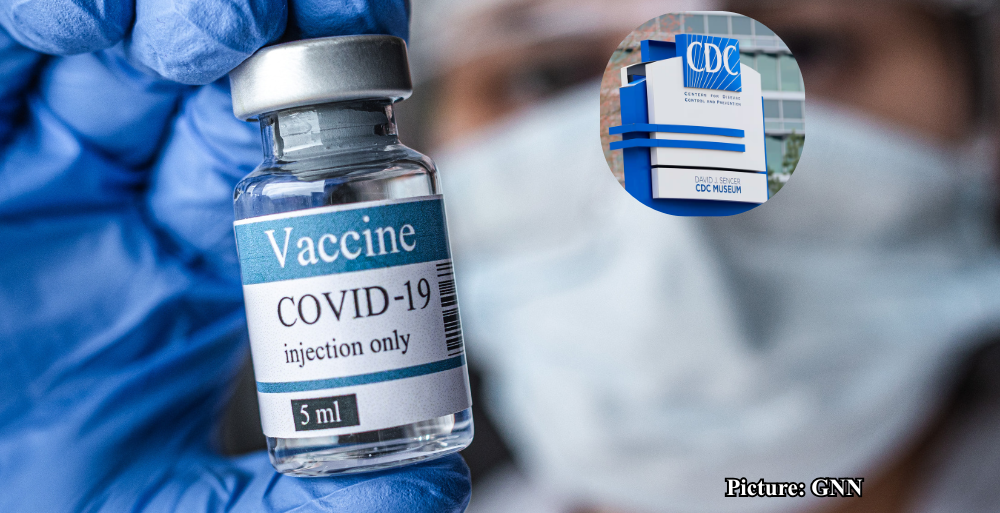
A delay in the publication of a CDC report on COVID-19 vaccine effectiveness has raised questions about the agency’s methodology and its implications for public health policy.
The Centers for Disease Control and Prevention (CDC) has announced a postponement of a critical report detailing the effectiveness of COVID-19 vaccines in reducing hospitalizations and emergency department visits among healthy adults. This decision, attributed to concerns expressed by Acting CDC Director Jay Bhattacharya regarding the report’s methodology, emerges amid ongoing scrutiny of vaccine recommendations and public health strategies.
Details of the Report and Methodology
The report was intended for publication in the CDC’s scientific journal, the Morbidity and Mortality Weekly Report (MMWR), and aimed to evaluate vaccine performance during the previous winter. Sources familiar with the decision indicated that Bhattacharya raised reservations about the observational methods utilized to assess vaccine effectiveness. This prompted a review process that is considered standard for the agency’s leadership.
The methodology in question is known as the test-negative design. This approach evaluates individuals who are symptomatic enough to seek medical attention, get tested, and then compares their vaccination rates against those who test positive and those who test negative for the virus. This method has been previously employed in a 2021 study published in the New England Journal of Medicine, which also assessed the effectiveness of COVID-19 vaccines.
Official Statements on the Delay
Andrew Nixon, a spokesperson for the Department of Health and Human Services (HHS), clarified that the delay is part of standard protocol for CDC leadership to review and address concerns about MMWR papers, particularly regarding their methodology before publication. Nixon emphasized that Dr. Bhattacharya is committed to ensuring that the report employs the most suitable methodology for such a study, stating, “The scientific team is working to address these concerns.” This highlights the agency’s commitment to scientific rigor in its evaluative processes.
Context of the Delay and Broader Implications
This delay is occurring in a broader context of shifting recommendations from the Advisory Committee on Immunization Practices (ACIP). Recently, the committee voted to discontinue universal recommendations for COVID-19 vaccination for individuals aged six months and older, advocating instead for “individual-based decision making” regarding vaccination. This shift follows an amended charter published by HHS Secretary Robert F. Kennedy Jr., which has faced legal challenges that complicated the committee’s composition and authority.
The situation has been further complicated by controversy surrounding vaccine approvals. Former Food and Drug Administration (FDA) regulator Vinay Prasad has imposed new restrictions on the approval processes for vaccines developed by Novavax and Moderna. Prasad expressed concern over safety following reports of adverse events, including the deaths of ten children after receiving a COVID-19 vaccine. His memo to FDA officials has ignited a debate over the balance between vaccine accessibility and stringent safety protocols.
Ongoing Discussions in Public Health
The ongoing discussions regarding the CDC’s report and vaccine guidelines reflect significant tensions within public health policy, particularly as the COVID-19 pandemic continues to evolve. Critics argue that delays in reporting and changes in vaccine recommendations may contribute to public confusion and erode trust in health authorities. Conversely, advocates for rigorous scientific methodology underscore the necessity of ensuring that vaccine assessments are grounded in robust scientific principles to uphold public confidence.
Moreover, the implications of the CDC’s delay are multifaceted. The agency’s decision to revisit the report’s methodology signifies an effort to bolster the integrity of its findings, which may have long-term benefits for public health communication. The need for transparency and accuracy in reporting can serve to enhance public trust, especially in light of the ongoing challenges posed by vaccine hesitancy and misinformation.
Historical Context of Vaccine Effectiveness Assessments
Historically, the CDC and other public health organizations have relied on various methodologies to evaluate vaccine effectiveness. The test-negative design has become a widely accepted method for assessing vaccine impact, particularly in the context of respiratory viruses. Such methodologies have been critical in guiding public health decisions and recommendations during health crises, including the COVID-19 pandemic.
The CDC’s commitment to refining its methodologies in light of emerging evidence is crucial. As the landscape of COVID-19 continues to shift with variants and evolving public health needs, the agency’s ability to provide accurate and reliable data will be instrumental in shaping future vaccination strategies and public health policies.
Looking Ahead: The Future of Vaccine Guidelines
As the CDC navigates these complexities, the implications of this delay extend beyond the immediate report. With vaccine uptake and public perception of health recommendations at stake, the agency’s actions will be closely monitored by health professionals, policymakers, and the public alike. The potential for revised guidelines based on the delayed report could significantly influence future vaccination campaigns and public health initiatives.
Ultimately, the CDC’s decision to delay the report highlights the intricate dynamics of public health communication and the essential nature of transparency amidst ongoing scientific inquiry. The agency’s dedication to ensuring methodological soundness may fortify the foundation for future vaccine assessments and recommendations, thereby supporting the overarching goal of protecting public health.






No Comment! Be the first one.