





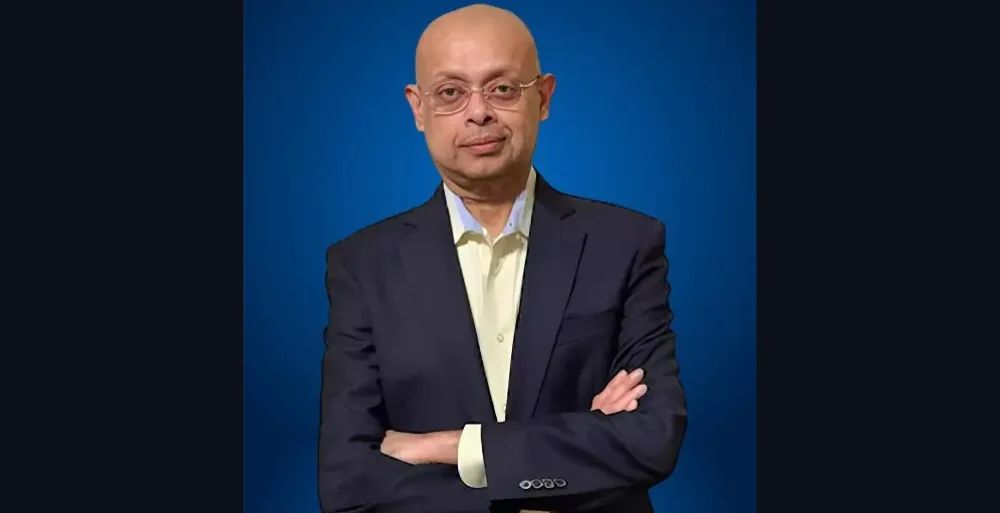
A cardiologist’s approach to food, movement, sleep, stress and self-awareness offers seniors a broader path toward lasting health.
I have known Dr. Indranill Basu-Ray over the past few years, which has given me an opportunity to understand not only the physician and researcher but also the philosophy that guides his approach to health and healing.
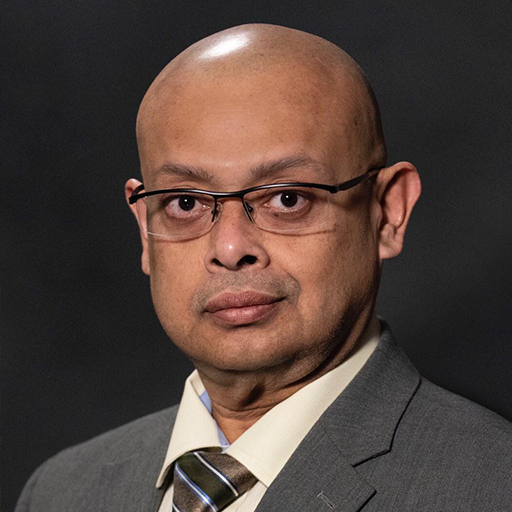
That personal connection made reading his new book, Weight Loss for Seniors: “Food, Movement, Sleep, Stress, and Tracking—to Lose Weight and Never Regain It,” a different experience for me. I was not merely encountering the ideas of an author. I was hearing, in written form, many of the larger principles that I have come to associate with the man and his approach to medicine.
At its core, Weight Loss for Seniors challenges one of the most persistent assumptions surrounding obesity: that losing weight is primarily a matter of eating less and exercising more. Dr. Basu-Ray asks readers to think more broadly. His framework connects food, movement, sleep, stress management and tracking, treating weight not as an isolated number on a scale but as part of a much larger picture of metabolic and cardiovascular well-being. The book describes eating strategies, including a plant-based yogic diet and intermittent fasting; restorative movement through yoga and breathing; attention to sleep and stress; and tracking indicators such as resting heart rate and heart-rate variability. This is perhaps what I find most valuable about the book.
A Physician Looking Beyond Weight
My conversations with Dr. Basu-Ray have left me with the impression of a physician who is unwilling to separate the heart from the person who carries it. That distinction matters here because this is not presented simply as a book about becoming thinner.
It is about becoming healthier. The book poses a provocative question: “What if the same habits that protect the heart are the ones that also let the weight go?”
For me, that question captures the essence of the book.
Dr. Basu-Ray is an interventional cardiac electrophysiologist whose professional work has included research into yoga and meditation in cardiovascular medicine. His professional biography describes Harvard, Baylor and Tulane training, more than 100 peer-reviewed publications, and his selection as one of the physicians involved in the American Heart Association scientific statement addressing meditation and cardiovascular risk.
But what distinguishes his voice in this book is his attempt to bring two worlds into conversation: modern clinical science and the traditions of yoga, meditation and mind-body awareness.
His own description of his writing provides an illuminating summary: “Writing is how I translate 30 years of clinical experience and 30 years of spiritual practice into something you can use.”
Having spoken with him personally, I believe that sentence says much about Dr. Basu-Ray. His interest in yoga and meditation is not presented as an alternative to medicine. Rather, he seeks to examine how lifestyle, mind and body can be considered alongside established medical care.
Why This Book Matters for Seniors
There is also something refreshing about a book that acknowledges how frustrating weight management can become later in life.
Too many weight-loss messages are built around restriction, guilt and unrealistic promises. When the weight returns, people often blame themselves.
Dr. Basu-Ray takes a different position. His own description of the book argues that weight regain following restrictive diets should not automatically be regarded as a personal failure. Instead, he offers a framework addressing metabolism, blood sugar, insulin resistance, sleep, stress and movement, together with practical eating strategies.
The book is therefore less interesting to me as a “diet book” than as a book about changing the conditions in which health decisions are made.
Food matters, but so does movement. Movement matters, but so does sleep. Sleep matters, but so does stress. And all of them become more useful when we pay attention to what our bodies are telling us.
That interconnectedness is the book’s strongest message.
Not Another Promise of a Miracle
The phrase I appreciated most in the book’s description may be one of its simplest: “This is not a book of quick fixes.” That is important.
The weight-loss marketplace is crowded with dramatic promises, restrictive programs and products offering rapid transformation. Dr. Basu-Ray instead gives readers a four-week framework intended to begin a different approach, one built around sustainable habits rather than another cycle of deprivation and rebound.
That does not mean every recommendation will be right for every reader. Seniors often live with diabetes, heart disease and other medical conditions and may take multiple medications. Any major change involving fasting, diet or exercise deserves to be considered with one’s own healthcare professional.
Indeed, I think the book is strongest when read not as a substitute for medical care, but as an invitation to have a more intelligent conversation about health.
Where Ancient Wisdom Meets Modern Medicine
Those of us who have spoken with Dr. Basu-Ray about medicine and wellness know how frequently he returns to the relationship between modern science and traditions such as yoga and meditation.
That philosophy is visible throughout this work.
“Food as Medicine,” restorative movement, breathing practices, meditation, sleep and stress management are brought together within the broader framework of cardiovascular and metabolic health.
What I appreciate about this approach is its emphasis on the whole person.
A weighing scale can tell us our weight. It cannot tell us whether we are sleeping peacefully, living under persistent stress, becoming physically stronger, eating more thoughtfully or developing habits we can sustain.
Those questions matter increasingly as we grow older.
A Personal Testimony
Knowing Dr. Basu-Ray personally adds another dimension to my reading of this book. Over the course of our conversations, I have seen his commitment to communicating a vision of medicine in which prevention deserves a place alongside intervention and in which scientific medicine can engage seriously with lifestyle and mind-body practices.
This book gives that philosophy a practical focus.
I particularly appreciate that it speaks to older adults without treating aging as surrender. Its underlying message is one of possibility: we may not be able to reverse the calendar, but we can still make meaningful choices about how we eat, move, sleep, respond to stress and monitor our health.
In that sense, Weight Loss for Seniors is not ultimately about losing pounds.
It is about regaining agency. And that, to me, is the book’s most enduring contribution.
I came away from it believing that Dr. Basu-Ray has written something more meaningful than another manual telling seniors what they should or should not eat. He is asking readers to reconsider their relationship with their bodies and to understand weight within the broader landscape of heart health, metabolism, movement, rest and emotional well-being.
The book’s promise is not that aging can be stopped. Its more persuasive message is that aging does not have to mean abandoning responsibility for our health or hope for improving it.
For seniors who have struggled through restrictive diets, weight regain and conflicting advice, Weight Loss for Seniors offers a thoughtful alternative: stop fighting the body blindly and begin understanding it more completely.
Having known and spoken with Dr. Basu-Ray, I recognize in these pages the same intersection of physician, researcher and student of mind-body traditions that has characterized my conversations with him.
My strongest personal endorsement would be this: Weight Loss for Seniors asks us to look beyond the weighing scale. It reminds us that lasting health is built not around one miracle food, one exercise or one number, but through the accumulated choices of everyday life: how we eat, how we move, how deeply we sleep, how we manage stress and how carefully we listen to our bodies.
In Dr. Basu-Ray’s hands, weight loss becomes not an obsession with becoming smaller, but part of a larger aspiration to live healthier, stronger and more consciously in the years that matter most.
Where to Find the Book
Dr. Indranill Basu-Ray’s Weight Loss for Seniors is available at:
- Smashwords: Buy or view Weight Loss for Seniors — smashwords.com
- Everand: Read or access the eBook — everand.com
- Casa del Libro: Buy the eBook. This listing currently shows €2.99 for the eBook — casadellibro.com
- Author’s Official Book Page: Dr. Indranill Basu-Ray’s Books. The page includes a “Purchase the Book” option for Weight Loss for Seniors.



No Comment! Be the first one.