



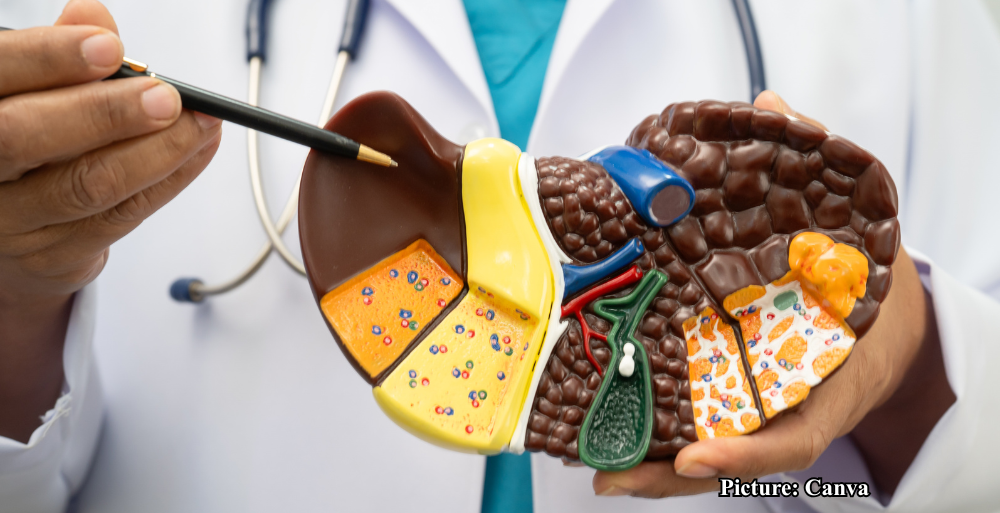
Fatty liver disease, increasingly prevalent among women after menopause, presents unique health risks, including significant symptoms such as fatigue and abdominal discomfort.
Fatty liver disease is characterized by an abnormal accumulation of fat in the liver, which can lead to serious health complications. This condition is most commonly associated with obesity, type 2 diabetes, high cholesterol, and elevated triglyceride levels. Furthermore, excessive alcohol consumption can exacerbate the development of fatty liver disease. While women typically show lower rates of fatty liver disease prior to the age of 50, recent studies have shown that the risk significantly increases after menopause, with women being approximately 20% more likely to develop this condition compared to men.
Hormonal Influences on Fatty Liver Disease
The increase in the incidence of fatty liver disease among women post-menopause can largely be attributed to declining estrogen levels. Estrogen is a critical hormone that helps regulate body fat distribution and plays a protective role in liver health. As estrogen levels decrease during menopause, women may experience alterations in fat metabolism and distribution, leading to a higher propensity for fat accumulation in the liver. Additionally, women with conditions such as polycystic ovary syndrome (PCOS) face greater risks of developing fatty liver disease due to associated insulin resistance and hormonal imbalances.
Cardiovascular Health Risks
Research indicates a concerning trend: women with fatty liver disease experience a higher mortality rate due to cardiovascular issues compared to their male counterparts. By the age of 60, women suffering from this condition are reported to have a risk of heart disease that is twice that of men. This statistic underscores the critical importance of early detection and proactive management of fatty liver disease, particularly in female patients.
Identifying Symptoms and Early Detection
Fatty liver disease is often referred to as a “silent” condition due to the absence of early symptoms. However, when symptoms do arise, they may include persistent fatigue, abdominal discomfort, and a feeling of fullness in the upper right abdomen where the liver is situated. As the disease progresses, symptoms can escalate to jaundice, which manifests as yellowing of the skin and eyes, shortness of breath, and swelling in the legs, signaling advanced liver dysfunction.
Physical Changes Associated with Fatty Liver
Women diagnosed with fatty liver disease often observe significant shifts in body composition, particularly with increased fat accumulation around the abdomen. This change can occur even if overall body weight remains stable, manifesting as a change in how clothing fits or noticeable abdominal swelling that seems disproportionate to the rest of the body. Persistent fatigue is another common symptom and is often described as overwhelming exhaustion that does not improve with adequate rest. This fatigue is primarily a result of the liver’s increased workload when burdened with excess fat.
Diagnosis and Screening Procedures
Fatty liver disease is frequently diagnosed incidentally during routine blood tests or abdominal imaging procedures, such as ultrasounds conducted for other health concerns. To confirm a diagnosis, healthcare providers may utilize blood tests, imaging studies, or, in certain cases, a liver biopsy. It is essential for patients to openly communicate all symptoms to their healthcare providers, including those that may seem unrelated, to ensure a comprehensive assessment and accurate diagnosis.
Management Strategies and Treatment Options
The positive news regarding fatty liver disease is that it can often be improved or even reversed through lifestyle modifications. Key recommendations for effective management include achieving and maintaining a healthy weight, abstaining from alcohol consumption, and engaging in regular physical activity—aiming for at least 150 minutes of exercise per week. Currently, the only FDA-approved medication for treating liver scarring associated with metabolic dysfunction-associated steatohepatitis (MASH), a more severe form of fatty liver disease, is resmetirom (Rezdiffra). However, the potential role of hormone replacement therapy (HRT) in mitigating the risk of fatty liver disease in menopausal women remains an area of ongoing research.
Conclusion and Need for Public Awareness
As awareness of fatty liver disease continues to grow, particularly among women, understanding the associated risks and symptoms becomes increasingly crucial. Early intervention and lifestyle changes can play a significant role in improving health outcomes, highlighting the importance of continued research and education on this pressing health concern. Women are encouraged to monitor their health, recognize potential symptoms, and engage in discussions with healthcare providers regarding liver health and risk factors.



No Comment! Be the first one.