





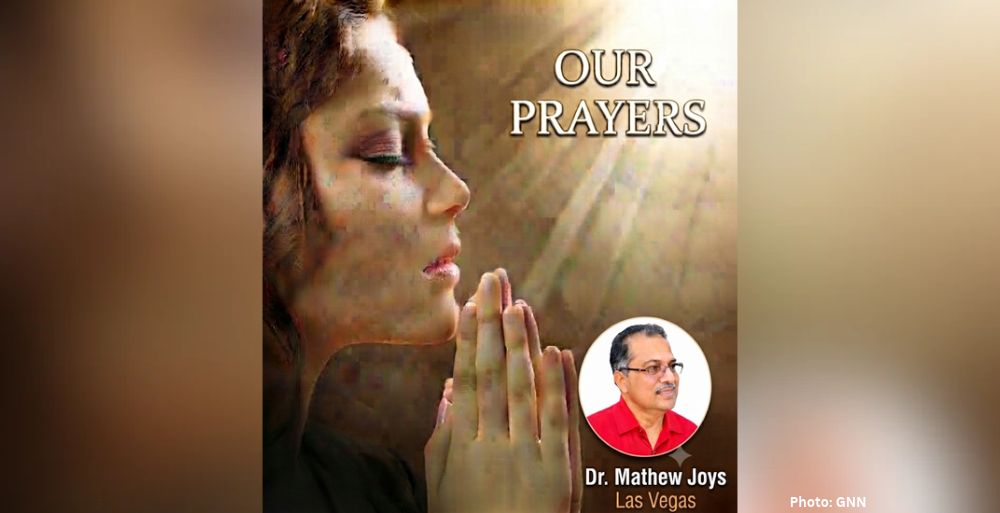
In a world that rewards performance and noise, it is easy to view prayer as just another spiritual task to check off a list—or worse, a public display meant to impress others. Yet, when we look at the life of Jesus, we see a radically different rhythm. Jesus prayed briefly when He was in a crowd, a little longer when He was with His disciples, and all night when He was alone with His Father. Today, we often reverse that order, pouring our energy into public words while neglecting the quiet, unhurried space of private communion.
True prayer flourishes in intimacy. When we step away from the crowd and close the door behind us, we release the fear of human judgment. In that secret place, we are free to be completely honest and vulnerable, laying our deepest anxieties, griefs, and hopes before a God who already knows what we need before we even speak a word. As Jesus gently reminded His followers in Matthew 6, prayer is not about impressing heaven with endless, repetitive phrases; it is about entering a quiet room and resting in the presence of a loving Father who sees the heart.
More Than a Request: The Bond of Tfilah
In the English language, we often reduce prayer to the act of asking—a heartfelt plea for God to intervene or provide. While bringing our needs to God is deeply important, the ancient Hebrew understanding of prayer invites us into something far richer. The Hebrew word for prayer, tfilah, is rooted in a verb that means self-examination and introspection. Within Jewish tradition, tfilah is not merely a transactional “request-making session”; it is an inward journey of alignment that fosters a profound bond between the creature and the Creator—much like a child leaning into the embrace of a loving parent.
This relational mystery shines brightly in the book of Isaiah, where God speaks of bringing His people to His holy mountain and making them joyful in “the house of My prayer” (Isaiah 56:7). Notice that God does not call it “My house of prayer,” as if the building belongs to Him, but “the house of My prayer.” How does the Almighty God pray? By turning His heart toward His children in deep, affectionate communion. When we pray, we are simply reciprocating a love that has already reached out to us. That is why Jesus taught us to begin our prayers not with a frantic list of demands, but with two grounding words: “Our Father.”
Anchoring Your Soul and Body in God’s Peace
Because prayer is a relationship rather than a performance, it is meant to engage your whole being—mind, soul, and body. When life feels overwhelming, stressful, or disconnected, cultivating intentional, embodied rhythms of prayer can become a lifeline that keeps you anchored to hope.
Embrace Stillness and Breath:
Simple practices like breath prayer and meditative silence allow you to slow down and remain attached to the safety of God’s presence, reminding your nervous system that you are held and loved, no matter what storms may come.
Turn Movement into Worship:
Your physical body is an integral part of your spiritual journey. Through somatic, embodied prayer—whether walking, stretching, or practicing gentle grounding techniques—you can release stored stress and invite God’s healing peace into your physical self.
Build Daily Rhythms of Grace: You do not need hours of uninterrupted solitude to stay connected to the Divine. Weaving small, intentional pauses into your daily routine transforms ordinary moments into sacred touchpoints of restoration and joy.
Prayer is never a burden to carry; it is an open invitation to come home. Whether you are whispering a single word through tears, walking quietly in nature, or sitting in the stillness of your room, your Father is already there—waiting to meet you, hold you, and restore your soul.
“[Jesus] prayed briefly when He was in a crowd; He prayed a little longer when He was with His disciples; and He prayed all night when He was alone. Today, many in the ministry tend to reverse that process.”
“[Jesus] prayed briefly when He was in a crowd; He prayed a little longer when He was with His disciples; and He prayed all night when He was alone. Today, many in the ministry tend to reverse that process.”
This shows the intimacy of prayer. When we are alone with God, we are able to be more vulnerable with Him. We can give him our concerns without fear of others judging us.
When we pray in front of a crowd, we must always keep our motives in check.
“And when you pray, do not be like the hypocrites, for they love to pray standing in the synagogues and on the street corners to be seen by others. Truly I tell you, they have received their reward in full. But when you pray, go into your room, close the door and pray to your Father, who is unseen. Then your Father, who sees what is done in secret, will reward you. And when you pray, do not keep on babbling like pagans, for they think they will be heard because of their many words. Do not be like them, for your Father knows what you need before you ask him.” (Matthew 6:5-8)
In the English language, prayer is largely defined by the idea of asking. In old English one could say, either to God or to anyone else: “I pray thee to do such and such.” The basic concept here is a heart-felt request. The Jewish concept of prayer, however, is best defined by its Hebrew word “tfilah” (תפילה).
Experience deeper peace in the abiding presence of God through prayer practices (breath prayer, meditative prayer, and embodied prayer) that help you remain attached to the safety of God’s love and keep you securely anchored to hope, no matter what may come.
Cultivate deeply embodied rhythms of prayer that allow you to move through stress, connect with God, and experience greater joy and peace.
Prayer in Motion is a gentle invitation to experience prayer in a fresh, embodied way—where movement becomes worship, and your physical self is embraced as an integral part of your spiritual journey.
Whether you’re feeling disconnected, stressed, or just longing to experience God in a new way, Prayer in Motion gently leads you toward wholeness—helping you reclaim joy, deepen faith, and find peace one intentional movement at a time.
PRAYER IN MOTION OFFERS:
Helpful guides for creating daily prayer rhythms that keep you anchored to God as you move through your day.
An embodied look at how your body processes stress and the ways movement can be a conduit to hope and healing.
An introduction to somatic practices, including the purposes and benefits of such practices.
Guided embodied prayers that gently lead you to move your body as you turn your heart toward God.
Practical tools, including grounding techniques, movement activities, and connection practices, that can help ease stress and promote rest and restoration.

No Comment! Be the first one.