



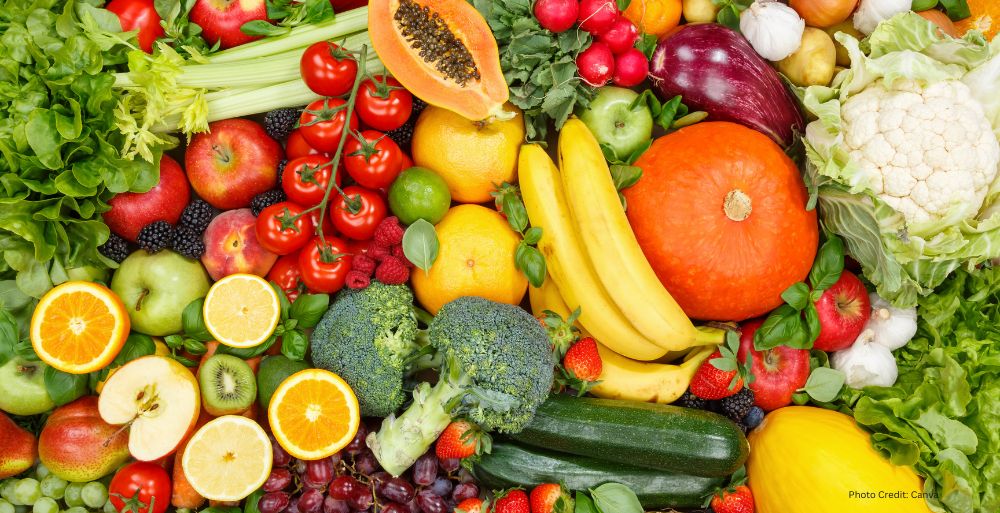
Hawaii is set to launch a groundbreaking initiative enabling more than 100,000 Medicaid recipients to receive prescriptions for fresh food, starting in January 2024. This program aims to tackle chronic diet-related health issues while supporting local agriculture.
Hawaii is preparing to implement a pioneering program that will allow over 100,000 residents enrolled in Medicaid to receive prescriptions for fresh food as part of a new initiative aimed at improving health outcomes. The program is scheduled to commence in January 2024 and is a component of Hawaii’s special Medicaid program designed to address chronic diet-related health challenges prevalent in low-income communities.
Addressing Food Insecurity
The initiative, dubbed the Food Is Medicine program, is poised to significantly impact the state where approximately one in three households faces challenges accessing safe, affordable, and nutritious food. Advocates believe this program will not only improve the health of participants but also invigorate the local agricultural sector. By promoting local produce, the program could inject millions of dollars into Hawaii’s economy and create nearly 1,000 new jobs.
Alicia Higa, chief health equity officer at the Waiʻanae Coast Comprehensive Health Center, emphasized the program’s importance, stating, “If there’s an opportunity to give food as medicine to our people, we should absolutely be using that money to support local farmers. We’ll have an increased food supply and we’ll be much better off.” Higa added that this initiative aligns well with the state’s goals to enhance local food security and bolster the dwindling population of farmers.
Program Structure and Context
The Food Is Medicine program will be implemented in three phases, beginning with nutritional education and prescription food boxes for eligible patients. This innovative approach is made possible through the Social Security Act’s 11-15 waiver program, which allows states to experiment with new Medicaid initiatives to address health and nutritional needs.
Hawaii’s program is particularly noteworthy because it aims for at least 15% of all produce and protein to come from local sources, a significant commitment compared to similar programs in other states. Jordan Smith, the Food Is Medicine program manager at the Hawaii Good Food Alliance, noted, “It’s a lot of work to bring together a broken healthcare system and a broken food system, and asking them to work together.” He acknowledged that sourcing food locally might be more challenging but emphasized the benefits of fresh, culturally relevant options over products transported from the mainland.
Impact on Health Outcomes
Residents of Hawaii, such as Moses and Suzette Paio from the Big Island, have experienced health improvements through pilot programs associated with the Medicaid waiver. The couple struggled with diet-related health issues but saw significant changes after participating in a program providing weekly boxes of fresh produce and protein. “My average blood sugar has halved,” said Suzette Paio, who had long battled with control over her diabetes. Her husband, Moses, has lost over 70 pounds as well.
According to the Hawaii Food Bank’s 2025 State of Food Security Report, 43% of Big Island residents report food insecurity, with one-third of households statewide lacking sufficient access to nutritious food. The Paios’ story reflects the larger challenges faced by those living in food deserts across the islands, where affordable, healthy food options are scarce.
Research and Future Studies
Advocates are optimistic about the potential for the Food Is Medicine program to produce lasting health benefits. The University of Hawaii is conducting a five-year study to assess the program’s effects on hypertension, among other health outcomes. Monica Esquivel, an assistant professor of nutrition at the university, emphasized the importance of data collection as the initiative progresses.
Moreover, successful models have already been established in West Oʻahu, where nutritionally focused healthcare programs have been operating since 2017. Higa noted the positive outcomes have driven continued efforts to address food insecurity in those areas, particularly during the COVID-19 pandemic.
Economic Benefits for Local Farmers
Advocates believe that the Food Is Medicine program could mirror the success of the Da Bux program, which enhances the purchasing power of Supplemental Nutrition Assistance Program (SNAP) beneficiaries when buying locally produced food. In the previous year, nearly 250,000 Da Bux transactions resulted in over $5.5 million spent on local produce, benefitting the economy, food-insecure residents, and local farmers.
According to a national analysis by the Rockefeller Foundation, the Food Is Medicine program could generate approximately $12.3 million in additional annual revenue for Hawaii’s farmers and potentially boost the state’s GDP by $125.5 million. Local vendors, including those at the Waiʻanae Farmers Market, have already reported increased production in response to the demand spurred by food-based health programs.
Looking Ahead
The official rollout in January will focus on providing prescriptions and nutritional education, with subsequent phases aimed at helping Medicaid recipients stock their pantries and acquire necessary cooking supplies. The program is anticipated to deliver weekly benefits of $50 per recipient on Oʻahu and $55 for those on other islands.
Meredith Nichols, Med-QUEST Administrator, stated that the success of the program will depend significantly on the capacity of local organizations to deliver these services effectively. The potential for positive health impacts, economic revitalization, and enhanced food security in Hawaii makes this initiative a substantial step toward addressing long-standing challenges in the state’s healthcare and food systems.



No Comment! Be the first one.