





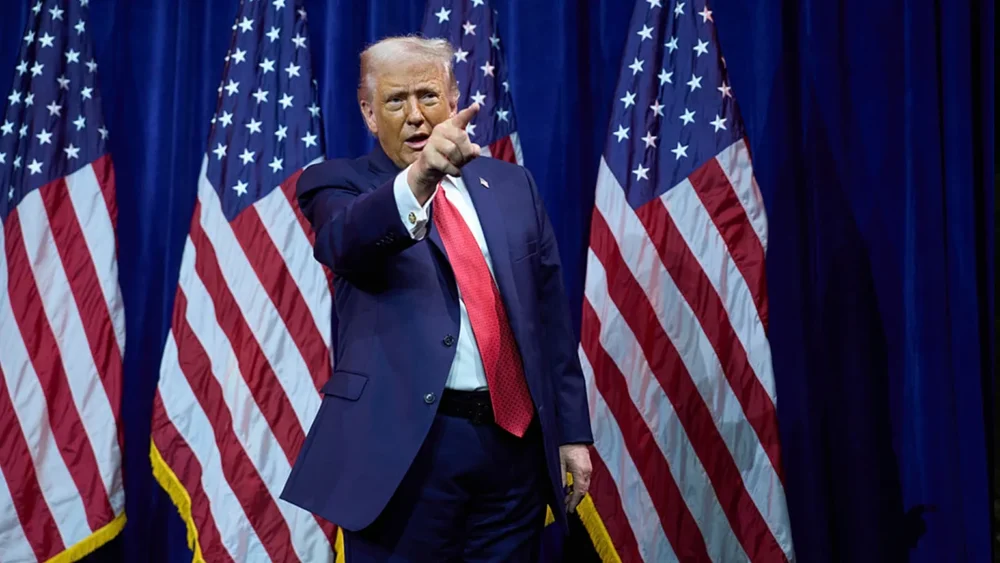
As the 2024 U.S. presidential election approaches, candidates are intensifying their campaigns, focusing on critical issues such as the economy, healthcare, and foreign policy.
With the 2024 U.S. presidential election scheduled for November 5, 2024, candidates across party lines are ramping up their campaigns to address a range of pressing issues impacting voters. This election is anticipated to be one of the most competitive in recent history, with significant implications for both domestic and international policy. The political landscape is increasingly shaped by economic conditions, healthcare reform, and foreign relations, making this election a critical juncture for the future of the country.
Candidate Landscape
As the candidates prepare for the electoral battle, several key figures have emerged as frontrunners for their respective parties. In the Democratic camp, President Joe Biden is seeking re-election amid a mixed approval rating, which has recently hovered around 42%, according to a Gallup poll. Biden’s administration has focused on economic recovery in the wake of the COVID-19 pandemic, initiatives aimed at combating climate change, and reforms in social justice. However, his administration faces significant challenges, including rising inflation, currently reported at 3.7% for September 2023, which has affected public trust in the government and influenced voter sentiment.
On the Republican side, former President Donald Trump continues to dominate the primary polls, holding a substantial lead over other candidates such as Florida Governor Ron DeSantis and former United Nations Ambassador Nikki Haley. Recent surveys indicate Trump commanding approximately 54% of the vote among registered Republicans, with DeSantis trailing at 18% and Haley at 10%. Trump’s strong foothold in the Republican Party is reflective of his enduring influence and the shifting dynamics of voter priorities.
Key Issues on the Agenda
As the candidates hit the campaign trail, several central themes have emerged that resonate with voters. The economy remains a paramount concern, with inflation impacting many households across the nation. Candidates are presenting varied approaches to tackle the cost-of-living crisis, with Democrats generally advocating for increased social spending and safety nets, while Republicans emphasize tax cuts and deregulation as pathways to economic growth. This divergence reflects broader ideological differences on the role of government in economic management.
Healthcare also ranks high on the list of voter concerns, particularly in light of the pandemic’s aftermath. Candidates are discussing reforms to the Affordable Care Act, potential expansions of Medicare, and the pressing issue of prescription drug pricing. Many Americans express dissatisfaction with current healthcare costs and accessibility, creating an opportunity for candidates to propose comprehensive solutions that address these issues effectively.
Foreign policy is another critical area of focus, especially regarding relations with China and the ongoing conflict in Ukraine. Voter sentiment is divided; some prioritize a robust military response and national security, while others advocate for diplomatic solutions and international cooperation. Candidates are expected to elaborate on their foreign policy strategies as the election date approaches, which could significantly influence voter perceptions and decisions.
Voter Engagement and Turnout
Voter engagement is projected to play a decisive role in the upcoming election. Historical data suggests that turnout rates can significantly affect election outcomes. In the 2020 election, approximately 66.8% of the eligible voting population participated, the highest turnout in over a century. Both parties are heavily investing in grassroots initiatives, digital outreach, and community events to mobilize voters. The strategies employed will be crucial in determining which party can galvanize its base and attract undecided voters.
Moreover, issues of voter access and election integrity remain contentious. Several states have enacted laws aimed at tightening voting regulations, which supporters argue are necessary to prevent fraud. Critics, however, contend that these measures disproportionately affect minority and low-income voters. Ongoing legal challenges to various state laws highlight the contentious nature of electoral practices in the U.S. and the need for a balanced approach that ensures both security and accessibility in the electoral process.
Looking Ahead
As the election date approaches, candidates will likely face intensified scrutiny from both the media and the public. Debates are scheduled to commence in early 2024, providing platforms for candidates to articulate their policies and engage directly with their opponents. The outcomes of these debates could significantly influence voter perceptions and preferences, as candidates strive to present themselves as the most viable option to address the pressing issues facing the nation.
In summary, the 2024 election cycle is shaping up to be a defining moment in U.S. politics, with candidates focusing on key issues such as the economy, healthcare, and foreign policy. As voter engagement strategies are implemented and debates commence, the political landscape will continue to evolve, leading up to what promises to be a pivotal election in determining the direction of the country.



No Comment! Be the first one.