





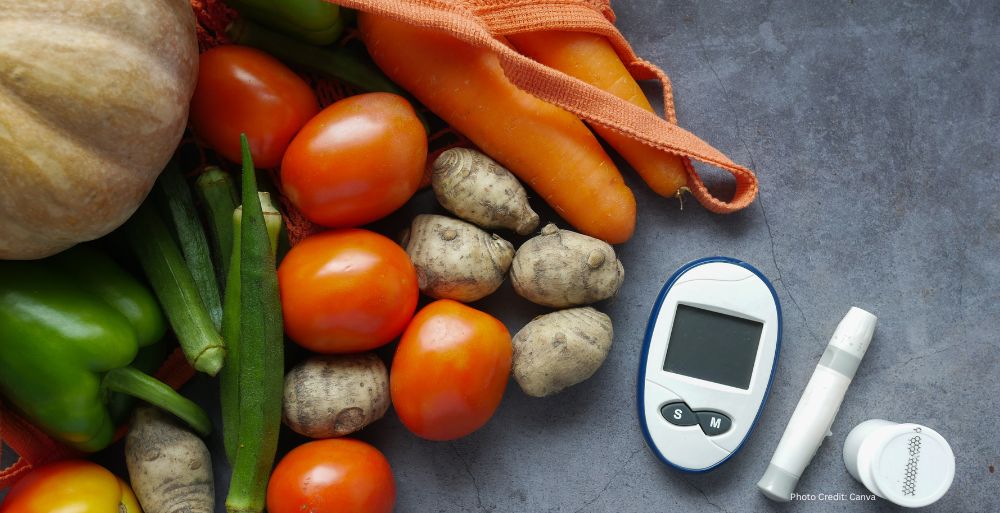
In managing type 2 diabetes, a balanced diet prioritizing fiber and heart-healthy foods is essential for maintaining blood sugar levels and cardiovascular health.
As the global prevalence of type 2 diabetes continues to rise, health experts emphasize the importance of a diet that not only controls blood sugar but also supports heart health. This dual objective can be achieved through the consumption of whole foods rich in key nutrients and fiber. The recommended daily intake is 30-38 grams of fiber for men and 21-25 grams for women. Adopting this dietary approach can facilitate weight loss, which is often crucial for effective diabetes management.
Legumes: The Fiber Powerhouse
Legumes, including various types of beans and lentils, are particularly beneficial due to their high fiber content. A daily serving of cooked legumes can significantly lower hemoglobin A1c levels, which is a key marker for blood sugar control, while also reducing the risk of heart disease. This is attributed to their ability to lower blood pressure, resting heart rate, and levels of triglycerides in the blood. The beneficial effects extend to decreasing the risk of stroke, making legumes a vital addition to the diet of those managing diabetes.
The Role of Oats
Oats, rich in soluble fiber, are another excellent choice for those looking to manage their blood sugar and cholesterol levels. The less processed the oats, the more nutrients they retain. Rolled or steel-cut oats are preferable to instant varieties, as they provide greater health benefits. This type of fiber not only aids in blood sugar control but also helps protect heart health by lowering cholesterol levels.
Berry Benefits
When it comes to fruits, berries are a standout option, particularly raspberries. With only 5 grams of sugar per cup and a high fiber content, raspberries are effective in controlling blood sugar levels. Furthermore, their anti-inflammatory properties and ability to combat high levels of LDL (bad) cholesterol make them an excellent heart-healthy choice.
Nuts for Nutritional Balance
Nuts, such as almonds and pecans, are rich in protein, healthy fats, and fiber. They contribute to stable blood sugar levels and have been linked to improved cholesterol profiles. Almonds are particularly noteworthy for their ability to satisfy hunger while supporting heart health. For those who prefer pecans, studies suggest they can enhance insulin resistance and lower the risk of heart disease.
Whole Grains vs. Refined Carbs
While carbohydrates are often demonized in discussions about diabetes, the quality of carbs consumed is paramount. Whole-grain varieties of bread and pasta are preferable to their refined counterparts, as they retain their bran and germ layers, which are crucial for lowering the risk of heart disease. Whole grains are not only high in fiber but also rich in essential nutrients, including B vitamins, magnesium, and selenium, which aid in regulating blood sugar levels and prolonging satiety.
Flaxseeds: Small but Mighty
Flaxseeds are another powerful addition to a diabetes-friendly diet. Rich in nutrients, they help combat high blood sugar and lower cholesterol levels thanks to a compound known as secoisolariciresinol diglucoside (SDG). Incorporating flaxseeds into meals, such as sprinkling them on yogurt or oatmeal, can enhance heart health by combating plaque buildup in arteries.
Whole Grains: Barley and Beyond
Barley, a member of the whole-grain family, is rich in beta-glucan, a type of fiber known to lower both cholesterol and blood sugar levels. Opting for hulled barley rather than pearl barley preserves its whole grain status and maximizes its health benefits.
Fatty Fish: A Key to Heart Health
Fish, particularly varieties such as salmon, herring, and sardines, are high in omega-3 fatty acids, which are beneficial for heart health. Regular consumption of these fatty fish—at least twice a week—can help mitigate the risk of diabetes-related complications, such as diabetic retinopathy, a condition that affects vision.
Leafy Greens and Cruciferous Vegetables
Leafy greens, such as spinach and lettuce, are essential for a diabetes-friendly diet due to their low-calorie count and high nutrient density. Consuming one to two servings daily can significantly lower the risk of heart disease. Similarly, cruciferous vegetables like broccoli and Brussels sprouts are linked to improved blood sugar control due to the phytochemical sulforaphane, which helps lower calcium buildup in arteries.
Seeds as a Nutritional Alternative
Replacing croutons with pumpkin seeds in salads can provide additional benefits for managing diabetes. These seeds help lower blood sugar levels after meals and are rich in magnesium, which supports heart and bone health.
Healthy Fats: The Olive Oil Advantage
While dietary fats do not directly raise blood sugar levels, their impact on cardiovascular health is significant. Saturated fats from animal sources pose the greatest risk to heart health, whereas extra-virgin olive oil, a staple of the Mediterranean diet, offers protective benefits. Its polyphenolic compounds can improve insulin sensitivity, lower blood pressure, and decrease the risk of heart disease and stroke.
The Benefits of Probiotics
Finally, fermented foods such as kefir, which is rich in probiotics, have shown promise in managing diabetes. Research indicates that consuming 2.5 cups of kefir daily for eight weeks can lower A1c levels in individuals with diabetes, while also contributing to lower blood pressure.
In conclusion, a well-rounded diet that emphasizes heart-healthy foods can significantly benefit individuals managing type 2 diabetes. The integration of these foods not only aids in blood sugar control but also promotes overall health and well-being.




No Comment! Be the first one.