





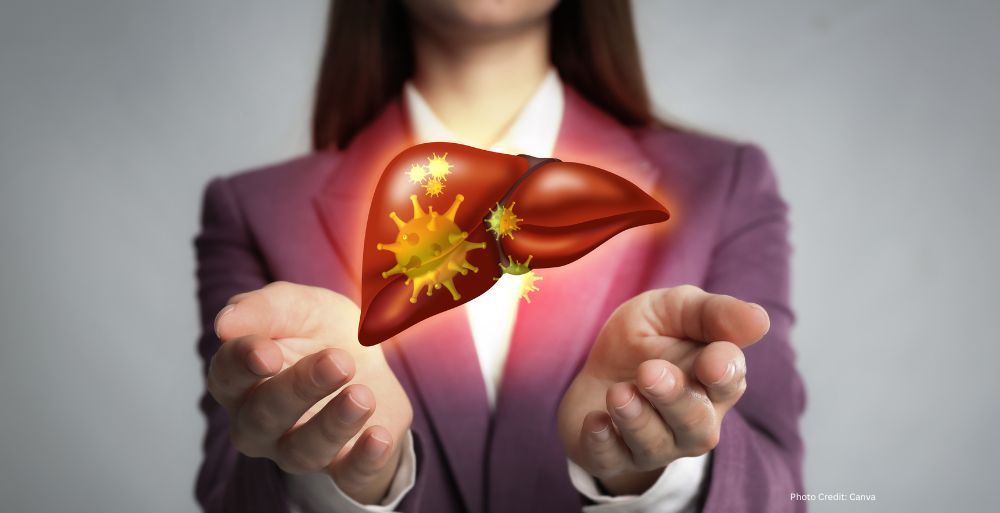
A comprehensive overview of foods that promote liver health and those that can contribute to liver disease, highlighting the importance of dietary choices in maintaining liver function.
In a recent analysis of dietary impacts on liver health, experts emphasize the critical role of nutrition in preventing liver disease. The liver, a vital organ responsible for processing nutrients, detoxifying harmful substances, and producing bile, is significantly affected by the foods we consume. Dietary choices can either support liver function or contribute to conditions such as metabolic dysfunction-associated steatotic liver disease (MASLD), previously known as nonalcoholic fatty liver disease (NAFLD).
Beneficial Foods for Liver Health
Research indicates that high-fiber foods can enhance liver function. Oatmeal, for example, is not only a nutritious breakfast choice but also aids in weight management, potentially reducing the risk of liver disease. A balanced diet rich in vegetables is also pivotal; broccoli, in particular, has been linked to protective benefits against MASLD due to its nutrient composition.
Another positive addition to the diet is tea, especially green tea, which contains catechins—antioxidants that may offer protective effects against liver damage. Studies suggest that consuming two to three cups of green tea daily can mitigate damage from alcohol consumption and unhealthy diets. However, moderation is key, as excessive intake of green tea extract can lead to liver injury.
Foods to Avoid for Optimal Liver Function
Conversely, certain foods are detrimental to liver health. High-fat meals, particularly those laden with saturated fats such as French fries and burgers, can impair liver function over time. Such diets may lead to inflammation and, eventually, cirrhosis, a severe liver condition characterized by scarring. The liver’s ability to process and eliminate toxins becomes compromised when it is overwhelmed by unhealthy fats.
Additionally, excessive sugar consumption poses risks, as the liver’s role includes converting sugar into fat. Overindulgence can result in fat accumulation within the liver, potentially causing MASLD. Health experts recommend limiting sugary treats to occasional indulgences, as a diet high in sugar can lead to a range of health problems beyond liver disease, including obesity and diabetes.
Weight Management and Hydration
Maintaining a healthy weight is one of the most effective strategies for promoting liver health. Health professionals suggest opting for water over sugary beverages, which are often high in calories and can contribute to weight gain. Increased water intake not only aids hydration but also supports overall liver function, as the liver requires adequate hydration to perform its detoxification duties efficiently.
Nutritious Snack Options
Snacking choices also play a role in liver health. Nuts, particularly almonds, are beneficial due to their vitamin E content, which may protect against MASLD. Incorporating nuts into salads or enjoying them as snacks can provide a heart-healthy option that supports liver function. Nuts are not only nutritious but also versatile, making them an easy addition to various dishes.
Leafy greens, such as spinach, are another excellent choice, offering glutathione, a powerful antioxidant that aids in liver health. Simple preparations, such as salads or sautéed dishes, can make these vegetables a staple in a liver-friendly diet. Incorporating a variety of colors and types of vegetables can ensure a broad spectrum of nutrients that support overall health.
Alcohol Consumption Guidelines
Alcohol consumption is a well-documented risk factor for liver damage. Chronic excessive drinking can lead to severe conditions, including cirrhosis. Health guidelines recommend limiting alcohol intake to one drink per day for women and two drinks per day for men. For individuals with existing liver concerns, it is advisable to consult healthcare providers regarding alcohol consumption. The risks associated with drinking extend beyond just the liver; they can impact mental health and increase the likelihood of accidents and injuries.
Spices and Herbs as Liver Protectants
Incorporating herbs and spices into meals can also enhance liver health. Oregano, sage, and rosemary are rich in polyphenols that may offer protective benefits. Using these spices can also help reduce sodium intake in various recipes, aligning with heart health recommendations. The use of herbs not only adds flavor but can also provide additional health benefits, making meals both enjoyable and nourishing.
Conclusion: A Balanced Approach to Diet
As individuals navigate their dietary choices, awareness of the impact on liver health is increasingly crucial. Simple modifications, such as choosing whole foods over processed snacks and opting for nutrient-dense meals, can significantly contribute to liver wellness. By prioritizing healthful foods and minimizing unhealthy options, individuals can take proactive steps in safeguarding their liver health. The liver’s role in overall health underscores the importance of making informed dietary decisions, as these choices can have lasting effects on both liver and general health.




No Comment! Be the first one.