




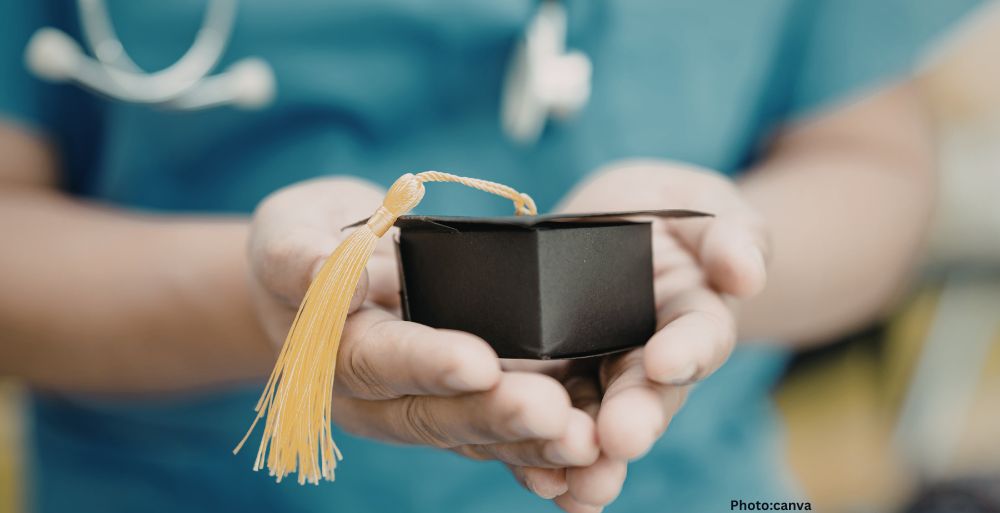
A federal investigation has revealed a $250 million scam involving the sale of fraudulent nursing diplomas to thousands of unqualified individuals, posing a serious threat to patient safety in the U.S. healthcare system.
MIAMI, FL — Federal authorities have dismantled a complex scheme that sold fraudulent nursing diplomas to over 15,000 individuals, allowing them to enter the healthcare workforce without proper training. The scam, estimated to be worth $250 million, primarily operated within Haitian immigrant communities in South Florida.
The investigation, dubbed Operation Nightingale, was prompted by a tip from an informant who had been advised by family members to secure a fake nursing diploma from a school in South Florida. Isaac Bledsoe, a Special Agent in Charge of the Office of Inspector General at the Department of Health and Human Services (HHS), stated that this lead initiated a broader investigation into widespread fraud within the nursing education sector.
Details of the Scheme
According to Bledsoe, the informant revealed that they were asked to borrow approximately $16,000 to facilitate the purchase of a fraudulent nursing diploma. In response, federal authorities deployed an undercover agent to one of the implicated nursing schools in South Florida. The agent posed as a prospective student lacking any healthcare background but interested in obtaining a nursing diploma.
During the undercover operation, the agent met with Geralda Adrien, the owner of a fraudulent business that facilitated the sale of fake diplomas. Adrien offered to expedite the acquisition process, suggesting that individuals could take their nursing examinations in New York, which she claimed was the easiest state for processing, thereby bypassing traditional educational requirements.
Legal Consequences and Sentencing
The investigation led to multiple arrests and convictions of individuals involved in the scheme. Geralda Adrien was found guilty of recruiting individuals and collecting payments for fake diplomas. Several nursing school owners, including Johanna Napolean, Eunide Sanon, and Carleen Noreus from the Carleen Health Institute, were also charged for their roles in providing these fraudulent credentials.
On Tuesday, Carleen Noreus, who served as vice president of Carleen Health School II in West Palm Beach, was sentenced to seven years and three months in prison by U.S. District Judge Raag Singhal. Noreus was implicated in providing 2,956 fake nursing diplomas and transcripts from April 2018 to October 2025. Although her legal counsel argued for a lesser sentence, citing her lack of prior criminal history and her family responsibilities, the court imposed a substantial penalty in light of the severity of her actions.
According to a report from the HHS-OIG, Noreus’s fraudulent activities enabled approximately 2,274 individuals to pass nursing board examinations and acquire licenses to work in healthcare settings across the country. This unprecedented breach of trust raises significant concerns about patient safety and the integrity of the nursing profession.
Impact on Healthcare and Regulatory Responses
The sale of fraudulent diplomas not only undermines the integrity of the nursing profession but also poses serious risks to patient safety. U.S. Attorney Jason A. Reding Quiñones emphasized that “nursing licenses must be earned through education, training, and demonstrated competence, not purchased through fraud.” He assured that the Southern District of Florida is committed to holding accountable those who exploit the professional licensing process.
In light of the fraud, multiple nursing schools, including the Palm Beach School of Nursing and Siena College of Health, are now at risk of having their licenses revoked. The Florida Commission for Independent Education had already ordered the West Palm Beach nursing school to suspend graduations and new enrollments in February 2023, which ultimately led to its closure.
Operation Nightingale: Background and Future Implications
Operation Nightingale represents a broader effort to combat fraudulent nursing diploma schemes that have emerged across the United States. The current investigation is part of a second phase targeting for-profit nursing schools in South Florida. The first phase of Operation Nightingale resulted in charges against 30 defendants and the issuance of over 7,600 fake nursing diplomas by implicated institutions.
The implications of this scandal extend beyond individual legal consequences, raising critical questions about the regulation of nursing schools and the vetting of nursing professionals in the healthcare system. As the investigation continues, authorities aim to restore public trust in the integrity of nursing credentials and ensure that healthcare providers are qualified to deliver safe and effective care.
The fallout from this investigation serves as a stark reminder of the need for vigilance in ensuring that all healthcare professionals meet the necessary educational and training standards to protect the well-being of patients nationwide. The fraudulent activities uncovered in this case not only endanger patients but also tarnish the reputation of legitimate nursing education programs.
As this investigation unfolds, it highlights the growing issue of credential fraud in healthcare, prompting a reevaluation of oversight mechanisms and regulatory frameworks governing nursing schools. Stakeholders within the healthcare industry, including regulatory bodies, educational institutions, and communities, must collaborate to strengthen safeguards that ensure the competency and qualifications of nursing professionals.




No Comment! Be the first one.