



Projected Death Toll from El Niño Could Exceed 450,000 by February 2027, Scientists Warn

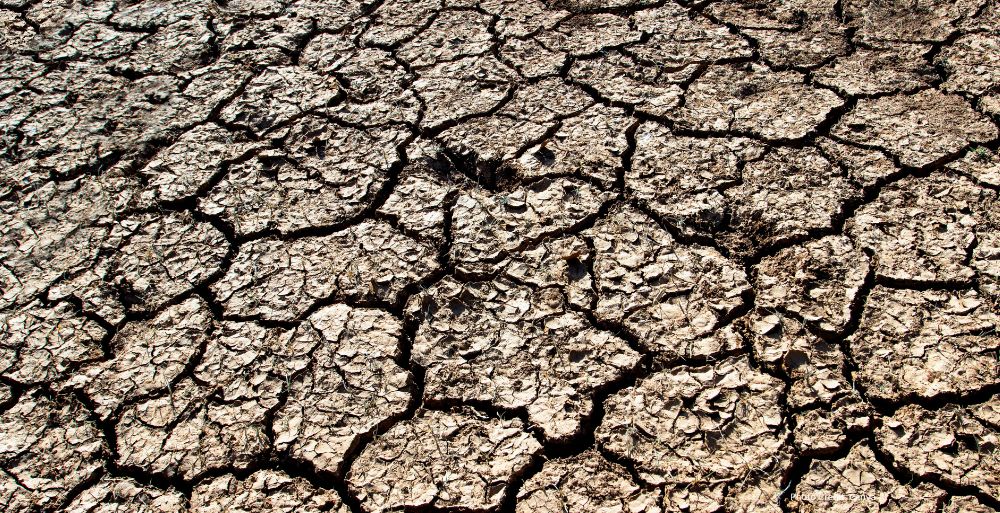
Climate scientists project that more than 450,000 additional deaths could result from the extreme heat associated with the current El Niño phenomenon by February 2027, with impacts felt globally.
Climate scientists have issued a stark warning regarding the health impacts of the ongoing El Niño phenomenon, predicting that over 450,000 people could die from heat-related causes between June 2026 and February 2027. The projection underscores the severity of the heat associated with this particular El Niño event, which has already reached unprecedented temperatures months before its anticipated peak.
Global Impact of El Niño
The effects of El Niño will be felt across multiple regions, with the most significant fatalities expected in tropical nations such as Nigeria, Indonesia, Sudan, India, and Brazil. The United States is also among the top 20 countries projected to experience additional heat deaths, with estimates suggesting approximately 3,500 fatalities related to this extreme weather event. According to the report, the Sahel region in Africa and Southeast Asia will also be heavily affected.
The alarming estimate of 451,000 deaths is a stark reminder of the human cost associated with climate crises. Prof. Michael Greenstone, co-founder of the Climate Impact Lab at the University of Chicago, highlighted the deeply personal nature of this statistic, stating, “The estimate of 451,000 people is such a large number that it can be numbing, but it is made up of parents and children, grandparents and neighbours, people going to work, caring for families, and living their lives.”
Understanding El Niño and Its Consequences
El Niño is a natural climate phenomenon characterized by the periodic warming of sea surface temperatures in the central and eastern tropical Pacific Ocean. While these events occur naturally, climate scientists have noted that the severity of the current El Niño could be intensified by human-induced climate change. The current event has already surpassed the highest temperatures ever recorded for this phenomenon, leading researchers to describe its intensity as “mind-blowing” and “Godzilla-level.”
As the world grapples with the impacts of climate change, this El Niño event serves as a “postcard from our future,” reflecting the elevated temperatures that climate models predict will become the norm in the coming decades. The report’s findings suggest that elevated heat-related deaths could persist even beyond the February 2027 forecast period, potentially continuing until mid-2027. This projection highlights the urgent need for effective public health interventions.
Public Health Recommendations and Interventions
Researchers emphasize the importance of implementing measures to mitigate the expected rise in heat-related deaths. These measures could include improved heat forecasting, the establishment of cooling centers for vulnerable populations, increased staffing at medical facilities during peak heat periods, and protections for outdoor workers who face the highest risk. Dr. Tamma Carleton, a co-author of the report from the University of California, Berkeley, noted, “Increasing emergency response and better targeting our efforts can save many lives this year.”
The methodology used to arrive at these estimates involved a peer-reviewed approach that analyzed the relationship between temperatures and heat-related deaths across 24,378 regions worldwide. By comparing current and projected temperature data with historical averages, researchers were able to provide a detailed forecast of the potential human toll associated with the ongoing El Niño.
Food Security and Historical Context
In addition to health impacts, the current El Niño is expected to disrupt food supplies, with the World Food Programme warning that up to 50 million people could face acute hunger as a result of the climatic shifts. Historical precedents underscore the severe consequences of El Niño events, including a catastrophic episode in 1877-1878 that resulted in over 50 million deaths due to drought and famine, particularly affecting countries like India, Brazil, and China.
Prof. Friederike Otto from Imperial College London has stressed the dangerous implications of the current El Niño, noting that it represents a significant redistribution of energy in the climate system. She stated, “So, in many places around the world we will see never-before-experienced heat extremes, with all their consequences on health, food security and water stress.”
As the world prepares for the anticipated challenges posed by the ongoing El Niño, climate scientists advocate for increased mobilization of resources and efforts to design, deploy, and evaluate strategies aimed at saving lives in both the short-term and the long-term. The urgency of the situation calls for immediate action to address the potential fallout from this extraordinary climatic event.




No Comment! Be the first one.