




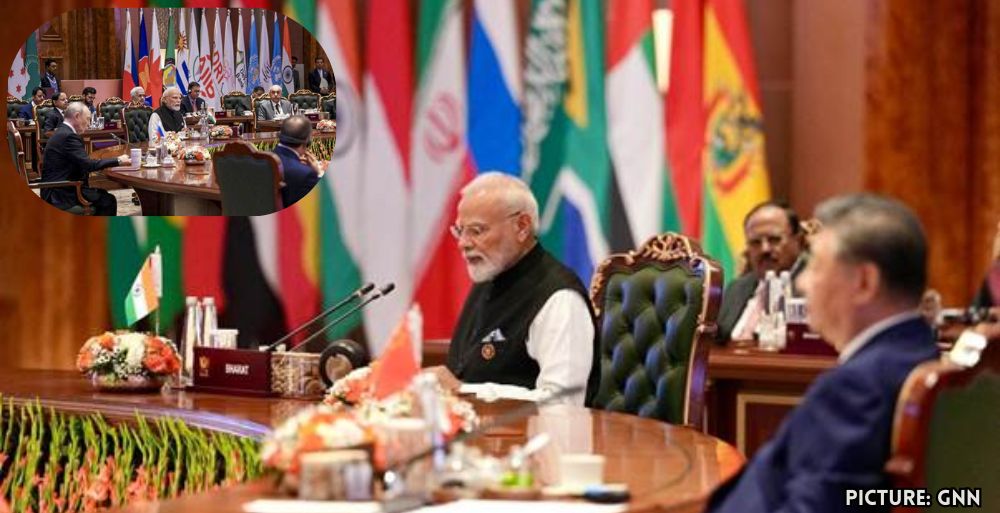
The New Delhi Declaration, adopted at the 18th BRICS Summit, emphasizes international collaboration in Traditional, Complementary, and Integrative Medicine, aiming to bolster health systems and advance Universal Health Coverage.
New Delhi – On September 14, 2026, the 18th BRICS Summit culminated in the adoption of the New Delhi Declaration, a significant milestone aimed at enhancing international cooperation in Traditional, Complementary, and Integrative Medicine (TCIM). This initiative, endorsed by India’s Ministry of Ayush, underscores the growing relevance of TCIM in strengthening health systems and advancing the goal of Universal Health Coverage (UHC).
Formation of BRICS Expert Working Group
A central outcome of the New Delhi Declaration is the proposed establishment of a BRICS Expert Working Group on TCIM under the BRICS Health Track. This working group is envisioned as a platform for dialogue, collaboration, and knowledge exchange among BRICS member countries—Brazil, Russia, India, China, and South Africa. The Ministry of Ayush has expressed optimism that this structured mechanism will significantly advance cooperation in traditional medicine.
Union Minister of State (Independent Charge) for the Ministry of Ayush, Prataprao Jadhav, remarked, “The recognition of Traditional, Complementary, and Integrative Medicine in the New Delhi Declaration is an important step toward strengthening global cooperation in traditional medicine.” He highlighted that the proposed working group would facilitate the sharing of knowledge, reinforce research efforts, and promote evidence-based approaches in this field.
India’s Commitment to Traditional Medicine
During the summit, Jadhav emphasized India’s commitment to promoting Ayurveda and other traditional medical systems through rigorous scientific research, quality assurance, and international collaboration. He stated that these efforts are crucial to ensure that traditional practices contribute to safe, effective, and affordable healthcare solutions.
Vaidya Rajesh Kotecha, Secretary of the Ministry of Ayush, echoed this sentiment, describing the New Delhi Declaration as a pivotal step in advancing structured cooperation on TCIM among BRICS countries. “The proposed working group can provide a focused platform for sharing evidence, fostering research collaboration, and enhancing quality and regulatory standards related to traditional medicine,” Kotecha noted. He added, “India, through its Ayush ecosystem, is committed to contributing to this cooperation by promoting rigorous research and evidence-informed practices that can support safe, effective, and affordable healthcare.”
Focus on Medicinal Plants and Herbal Preparations
The New Delhi Declaration specifically calls for increased collaboration in research concerning medicinal plants and herbal preparations used for therapeutic and preventive purposes. It acknowledges that the shared traditional pharmacopoeias of BRICS member nations can serve as a foundation for developing safe, effective, and affordable therapeutic products. This focus on coordinated research is particularly significant for BRICS countries, where traditional medical systems have evolved over centuries, incorporating medicinal plants and herbal remedies as vital components of healthcare traditions.
The emphasis on greater cooperation is aimed at facilitating research, documentation, knowledge exchange, and evidence generation, which can support the responsible development of therapeutic products across the BRICS region. As these nations work together to explore the benefits of traditional medicine, the establishment of the Expert Working Group is expected to play a crucial role in aligning their efforts and enhancing the global discourse on TCIM.
Implications for Global Health Systems
The increasing acknowledgment of TCIM within the framework of BRICS highlights a broader trend in global health, where traditional medicine is being integrated into modern healthcare systems. According to the World Health Organization (WHO), approximately 80% of the world’s population relies on traditional medicine for some aspect of their healthcare. This statistic underscores the potential for BRICS countries to lead initiatives that merge traditional practices with contemporary medical approaches.
The New Delhi Declaration not only aims to strengthen collaboration among BRICS nations but also sets a precedent for other regions to explore similar partnerships. As countries worldwide grapple with healthcare inequalities, the integration of TCIM could provide alternative pathways toward achieving UHC, particularly in developing nations where access to conventional medicine may be limited.
Challenges and Future Directions
While the establishment of the Expert Working Group represents a significant advancement, challenges remain in ensuring the quality and safety of traditional medicines. Regulatory frameworks must be developed to oversee the production and distribution of herbal products, alongside rigorous clinical research to substantiate their efficacy. This will require collaboration with international health organizations and adherence to global health standards.
Moreover, cultural sensitivities and practices surrounding traditional medicine must be respected and incorporated into new policies and research agendas. BRICS nations will need to navigate these complexities as they seek to harmonize their traditional practices with scientific research and international standards.
The ongoing commitment of BRICS countries to TCIM could pave the way for a more comprehensive understanding of healthcare that includes diverse medical traditions. Such an approach may not only enhance healthcare access but also foster a global appreciation for the rich history and potential of traditional medicinal practices.
The New Delhi Declaration signifies a new chapter in international collaboration on traditional medicine, holding promise for improved health outcomes and strengthened partnerships among BRICS nations.



No Comment! Be the first one.