





Researchers have developed a method for cultivating Spirulina that produces active vitamin B12, potentially addressing global deficiencies in this essential nutrient.
In a significant advancement for nutritional science, a team of international researchers has unveiled a groundbreaking method to cultivate Spirulina, a blue-green algae, that produces biologically active vitamin B12 at levels comparable to those found in beef. This research, published in the scientific journal Discover Food, was led by Dr. Asaf Tzachor, the Founder and Academic Director of the Aviram Sustainability and Climate Program at Reichman University, in collaboration with scientists from Iceland, Denmark, and Austria.
The innovative approach employs advanced biotechnological techniques and specifically controlled light conditions to yield a carbon-neutral and nutrient-rich Spirulina biomass that contains active vitamin B12. The researchers assert that this is the first time active vitamin B12 has been documented in Spirulina, marking a crucial step forward in addressing global vitamin B12 deficiencies.
The Global Vitamin B12 Challenge
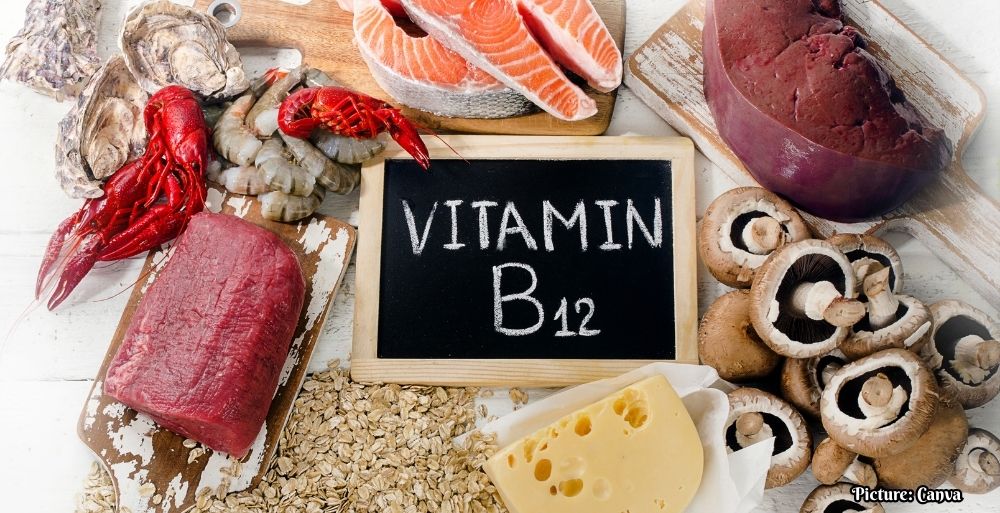
Vitamin B12 is an essential micronutrient critical for numerous bodily functions, including red blood cell formation and the maintenance of a healthy nervous system. Current estimates suggest that over a billion people worldwide suffer from low levels of this vitamin. Traditionally, meat and dairy have served as primary dietary sources of B12, with the recommended daily intake set at 2.4 micrograms for adults.
However, the environmental impact of producing animal-based foods at the scale necessary to meet global demand has prompted a search for more sustainable alternatives. Spirulina, recognized for its dense nutrient profile and minimal ecological footprint, has emerged as a potential solution. Nonetheless, traditional Spirulina has been limited in its effectiveness due to the presence of pseudo-vitamin B12, a form of the vitamin that is chemically similar to the active form but not bioavailable, rendering it ineffective in human nutrition.
Innovative Light Management Techniques
To overcome these limitations, the research team conducted an exploratory study utilizing a biotechnology platform developed by VAXA Technologies in Iceland. This platform is characterized by its unique engineering design and the strategic management of light during the Spirulina growth process. By modifying the light conditions, the researchers successfully enhanced the production of biologically active vitamin B12.
In addition to vitamin B12, the cultivated Spirulina biomass also demonstrated the presence of other bioactive compounds known for their antioxidant, anti-inflammatory, and immune-boosting properties. The resultant biomass contained 1.64 micrograms of active vitamin B12 per 100 grams, which compares favorably to the 0.7 to 1.5 micrograms found in 100 grams of beef. Dr. Tzachor stated, “The findings demonstrate that photosynthetically controlled Spirulina can produce desirable levels of active vitamin B12, offering a sustainable alternative to traditional animal-source foods.”
Potential for Large-Scale Production
The research also delved into the implications of scaling up this production method. If the system were expanded beyond its current operational capacity, reallocating electricity currently used by heavy industry in Iceland could facilitate the annual production of up to 277,950 tons of Spirulina biomass. This quantity is projected to yield approximately 4,555 grams of active vitamin B12 each year, which could meet the recommended dietary allowance for over 13.8 million children aged 1-3.
More ambitious production scenarios suggest that it might be possible to supply enough vitamin B12 to meet the dietary needs of over 26.5 million children aged 1-3, and over 50 million infants aged 0-6 months. These figures are based on potential production estimates rather than existing output, yet they underscore the researchers’ vision for the nutritional possibilities inherent in this technology.
A Sustainable Solution to Vitamin Deficiency
If successfully scaled, photosynthetically controlled Spirulina could offer a viable solution to the pressing global issue of vitamin B12 deficiency while simultaneously reducing reliance on environmentally taxing meat and dairy production. This research exemplifies how biotechnology can be leveraged to modify the nutritional profiles of rapidly proliferating food sources, moving beyond conventional cultivation methods to create specific nutrient-rich compounds beneficial to human health.
While the findings present a promising avenue for addressing nutritional shortfalls, the researchers emphasize that further studies and larger-scale production efforts are essential to integrate this technology into real-world food systems effectively. The Aviram Sustainability and Climate Program, established by Reichman University and the Aviram Foundation, aims to train students across various disciplines to devise strategies for tackling pressing challenges such as resource scarcity, climate change, and food security.





No Comment! Be the first one.