





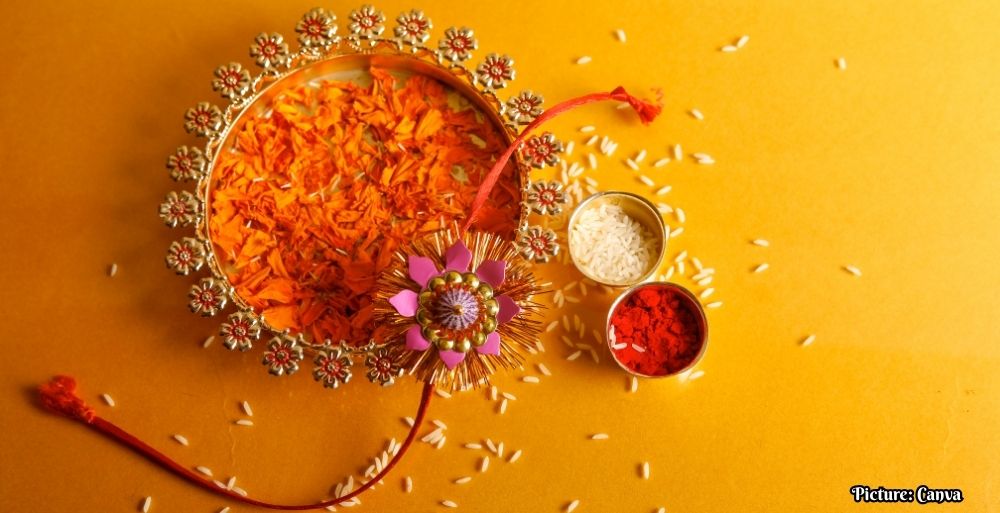
The festival of Raksha Bandhan invites individuals to embrace spiritual purity and self-protection through meaningful rituals and personal reflection, fostering a deeper understanding of internal challenges.
As the festival of Raksha Bandhan approaches, individuals and families across India and beyond prepare to celebrate an event rich in cultural significance and familial bonds. Traditionally, Raksha Bandhan symbolizes the protective relationship between brothers and sisters, where sisters tie a rakhi, a sacred thread, around their brothers’ wrists, who in turn pledge to protect their sisters. However, this year, the festival is being reinterpreted through a spiritual lens, encouraging participants to reflect on the internal struggles that many face and to commit to self-protection against these challenges.
Exploring the Roots of Raksha Bandhan
Historically, Raksha Bandhan has been celebrated for centuries, predominantly in Hindu culture, but its essence transcends religious boundaries. It is a day when familial ties are strengthened through acts of love and promise. Yet, increasingly, there is a call to expand the understanding of this festival beyond familial duties and external relationships. Advocates of spiritual growth are urging individuals to recognize the internal adversities—such as lust, anger, greed, attachment, ego, jealousy, hatred, fear, and worry—that can act as subtle enemies to one’s personal and spiritual development. These internal struggles can diminish one’s energy and impede the path to a fulfilling life.
A Commitment to Inner Purity
The essence of Raksha Bandhan, when viewed through this spiritual prism, becomes a commitment to return to one’s original sanskars—qualities such as peace, joy, love, bliss, purity, power, and wisdom. Individuals are encouraged to engage in practices that reinforce these qualities. Tying a spiritual rakhi, or thread of protection, to oneself symbolizes a pledge to uphold these values, marking a pivotal point in one’s journey of personal transformation.
Five Spiritual Steps to Enhance Personal Energy
To fully harness the spiritual potential of Raksha Bandhan, practitioners are encouraged to adopt five key spiritual steps:
- Greetings: Start each day with the intention that every thought and word serves as a blessing. Letting go of past grievances and extending forgiveness can significantly reduce negative energy, fostering personal peace and uplifting one’s vibrational energy.
- Tilak: Applying a tilak, a ceremonial mark often made with colored powders, serves as more than a mere decoration; it acts as an awakening to soul consciousness. This practice reinforces the understanding that each individual is a divine soul, capable of mastering both mind and body. This shift from ego consciousness to a deeper awareness of one’s spiritual identity is vital for holistic growth.
- Rakhi: The term ‘rakhi’ is derived from ‘Raksha’, meaning protection. Tying the rakhi is not just a familial gesture; it embodies a commitment to lead a pure life, safeguarding oneself from negative influences, addictions, and unhealthy habits.
- Sweets: The act of sharing sweets during Raksha Bandhan symbolizes goodwill and harmony. Each interaction should be approached with respect, and the sweetness of intentions can foster an atmosphere of mutual understanding and peace.
- Gift: A personal commitment to engage in a daily meditation practice for at least 15 minutes can yield transformative benefits. This practice enhances mental clarity, spiritual strength, and physical well-being, allowing individuals to respond thoughtfully rather than impulsively to life’s challenges.
A Broader Vision for Transformation
This year, Raksha Bandhan serves as a call not only for individual reflection but also for collective transformation. By committing to positive self-change, individuals can influence a wider shift in societal energy, fostering a community grounded in peace, love, and understanding.
The implications of these spiritual practices extend beyond personal development. As individuals engage in self-reflection and strive for inner purity, they contribute to a ripple effect of communal harmony. The festival thus serves as both a personal and collective reminder of the protective power of purity and positive intentions. Advocates suggest that when individuals prioritize their spiritual well-being, they create a foundation for a more compassionate society.
In conclusion, Raksha Bandhan is more than a celebration of familial bonds; it is an opportunity for meaningful self-reflection and a commitment to spiritual growth. By acknowledging and addressing internal adversities, individuals can embody the spirit of protection that the festival represents. This year, as families gather to celebrate, they are invited to consider how they can transform their lives and, by extension, the world around them through the practice of purity and positivity.






No Comment! Be the first one.