





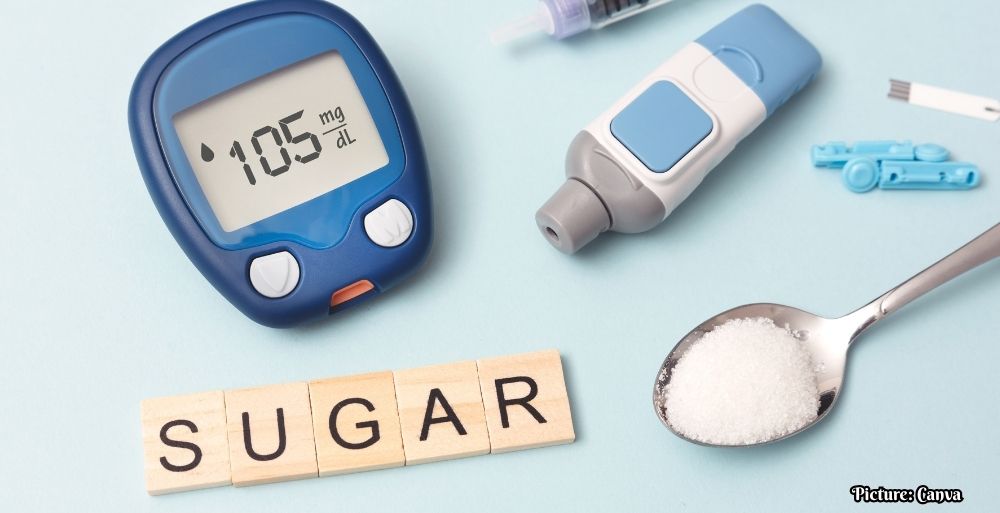
Effective management of blood sugar levels is crucial for individuals with type 2 diabetes, as it can significantly impact overall health and prevent complications.
Individuals diagnosed with type 2 diabetes face ongoing challenges in managing their blood sugar levels. With a combination of dietary adjustments, regular exercise, and prescribed medications, many patients can achieve effective control. However, consistent monitoring of blood sugar levels is essential. Regular checks using a glucose meter, as recommended by healthcare professionals, provide accurate insights into how well a patient’s treatment plan is working over time.
Recognizing Symptoms of Uncontrolled Blood Sugar
Classic signs of diabetes, such as excessive thirst and frequent urination, arise primarily due to elevated blood sugar levels. The kidneys, tasked with filtering excess sugar from the bloodstream, increase their efforts, resulting in a greater loss of fluids from the body. This process leads to dehydration if the individual fails to replenish lost fluids. The symptoms serve as crucial warning signals indicating the need for medical attention and lifestyle adjustments.
Another common indicator of poorly controlled blood sugar is fatigue. When glucose is unable to enter the body’s cells to provide necessary energy, individuals may experience varying levels of tiredness, ranging from mild lethargy to severe fatigue that necessitates rest. Some patients report feeling particularly exhausted after consuming large meals, which can further complicate their condition.
Low Blood Sugar and Its Risks
On the opposite end of the spectrum, low blood sugar, or hypoglycemia, can lead to symptoms such as dizziness and shakiness. The brain relies on glucose as its primary energy source, and a significant drop in blood sugar can pose serious health risks. For immediate relief, consuming a glass of fruit juice can help elevate blood sugar levels. However, ongoing issues with low blood sugar should prompt a discussion with a healthcare provider regarding potential adjustments to medication or dietary habits.
The Effects of Comorbid Conditions
The presence of high blood pressure alongside diabetes can exacerbate complications, particularly concerning kidney function. Over time, elevated blood pressure can damage the kidneys’ filtering capabilities, leading to fluid retention and swelling in the hands and feet. Patients are advised to adhere strictly to their prescribed medications for both diabetes and hypertension, as well as to consult with a nutritionist to develop a diet that maintains blood sugar control.
Neuropathy and Other Complications
Chronic high blood sugar levels can also result in nerve damage, known as peripheral neuropathy, which manifests as numbness or tingling in the extremities. This condition may impair a person’s ability to detect injuries, which can lead to unforeseen complications. Regular foot examinations by a podiatrist are recommended for individuals with neuropathy, as they may not recognize minor injuries that could escalate into serious infections.
Furthermore, diabetes can affect the stomach’s ability to function properly, leading to a condition called gastroparesis. This disorder can cause nausea, vomiting, bloating, and discomfort, making blood sugar regulation more difficult. Patients experiencing gastrointestinal symptoms should consult their healthcare provider to explore management options.
The Impact on Vision and Weight
Elevated blood sugar and blood pressure levels can damage the delicate structures of the eye, increasing the risk of diabetic retinopathy—a leading cause of vision loss among adults. Symptoms such as blurred vision, spots, or flashes of light warrant immediate medical evaluation, as they may indicate retinal bleeding. Regular eye examinations are critical for early detection and intervention.
Weight management is another important aspect of diabetes care. While losing excess weight can improve blood sugar control, unintentional weight loss may signal dangerously high blood sugar levels. When glucose levels are excessively elevated, the body may excrete sugar through urine, resulting in the loss of calories and fluids.
Infection Risk and Healing Challenges
Individuals with poorly controlled blood sugar levels may also experience frequent infections, including gum disease, urinary tract infections, and skin infections. These infections can compound health issues, as they may further elevate blood sugar levels, creating a vicious cycle. Additionally, slow healing of cuts and bruises is a common concern; thus, prompt and thorough care for even minor injuries is essential to minimize infection risk.
Maintaining Health Through Monitoring
To mitigate the risk of diabetes-related complications, individuals are encouraged to adhere closely to their healthcare provider’s treatment plan. Regular medication intake, a balanced diet, and consistent exercise are fundamental components of effective blood sugar management. Frequent blood sugar monitoring using a glucose meter and undergoing an A1C test at least twice a year can provide valuable insights into long-term blood sugar control.
In the event of any new or unusual symptoms, individuals should not hesitate to reach out to their healthcare provider. Symptoms such as dizziness, severe nausea, or changes in vision demand immediate attention to ensure appropriate management and care.






No Comment! Be the first one.