



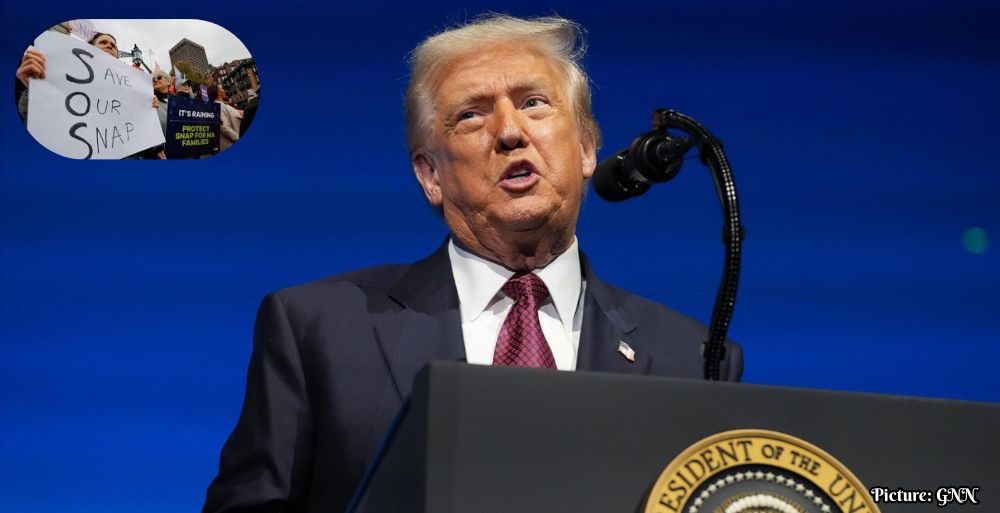
A federal judge has issued a preliminary injunction against new federal nutrition funding conditions imposed by the Trump administration, siding with a coalition of states concerned about the impact on vital programs for low-income families.
On June 5, 2026, U.S. District Judge Myong Joun granted a preliminary injunction that halts the enforcement of new conditions on billions of dollars in federal nutrition funding. The ruling came in response to a lawsuit brought by a coalition of 20 states and the District of Columbia, which argued that the new requirements threatened essential programs designed to assist low-income families across the nation.
Background of the Legal Challenge
The legal challenge originated in March 2026, when a coalition of Democratic-led states filed a lawsuit against the U.S. Department of Agriculture (USDA). The plaintiffs claimed that the USDA’s new directives required states to certify compliance with a variety of federal policies in order to continue receiving funding for critical nutrition programs, including the Supplemental Nutrition Assistance Program (SNAP). SNAP currently supports approximately 39 million Americans by providing financial assistance for purchasing groceries.
The states contended that the new conditions imposed by the USDA were vague, unrelated to the core functions of nutrition and agriculture programs, and were enacted without proper legal protocols. Among the contentious requirements were provisions related to immigration policy, what was termed “gender ideology,” and ensuring “fair athletic opportunities” for women and girls. The coalition of states argued that these stipulations created “unconstitutional and unlawful roadblocks” which could jeopardize the effective administration of federally authorized nutrition programs.
Details of the Ruling
Judge Joun’s ruling indicated that he would provide a detailed written memorandum explaining his decision at a later date. This preliminary injunction serves to temporarily suspend the USDA’s enforcement of its new conditions while the legal proceedings continue. The judge’s decision reflects a significant moment in the ongoing debate surrounding federal oversight and state authority in the administration of nutrition assistance programs.
Arguments from the Federal Government
In response to the lawsuit, attorneys representing the Trump administration argued vehemently against the injunction. They contended that the new conditions were established to enhance federal oversight of taxpayer-funded programs and to promote responsible management of federal funds. According to the administration’s court filings, the requirements were intended to ensure that state recipients adhere to federal laws, regulations, and policies, thereby improving overall accountability in the distribution of federal funds.
The administration’s legal team further argued that if states are required to comply with federal anti-discrimination laws to access federal funding, other federal policies should similarly be subject to compliance checks. This assertion underscores the administration’s broader approach to governance, emphasizing a model of stringent oversight for federally funded initiatives.
Wider Implications for Nutrition Assistance
The implications of this legal battle extend beyond the SNAP program. The lawsuit highlights potential effects on other vital nutrition assistance programs, such as school meal initiatives and the Special Supplemental Nutrition Program for Women, Infants, and Children (WIC). Collectively, the states involved in the lawsuit receive more than $74 billion annually through various USDA programs, underscoring the substantial financial stakes at play.
Nutrition assistance programs have long been a focal point of bipartisan concern, particularly in times of economic distress. As the COVID-19 pandemic and subsequent economic recovery efforts have contributed to increased food insecurity, the stakes for families relying on these programs have never been higher. The potential disruption of funding due to new compliance conditions could have dire consequences for many low-income households.
Reactions from State Officials
In the wake of the ruling, Massachusetts Attorney General Andrea Joy Campbell praised the decision, describing USDA grants as “a lifeline” for families in need. New York Attorney General Letitia James echoed this sentiment, welcoming the injunction and affirming her office’s commitment to protect federal funding for essential nutrition programs as the case unfolds. Their responses reflect a broader concern among state officials about the potential impact of the USDA’s conditions on the most vulnerable populations.
The ongoing legal battle over nutrition funding conditions is likely to set a precedent for future interactions between state and federal authorities regarding the administration of essential assistance programs. As the case progresses, it will draw attention to the balance of power in federalism and the implications of federal oversight on state-level administration of federally funded programs.
Conclusion
The outcome of this case could have lasting repercussions on how nutrition assistance programs are managed, the legal framework surrounding them, and ultimately, the ability of states to administer these critical resources without added federal restrictions. As the legal landscape continues to evolve, stakeholders across the political spectrum will be closely monitoring developments, particularly given the essential nature of these programs in addressing food insecurity for millions of Americans.




No Comment! Be the first one.