





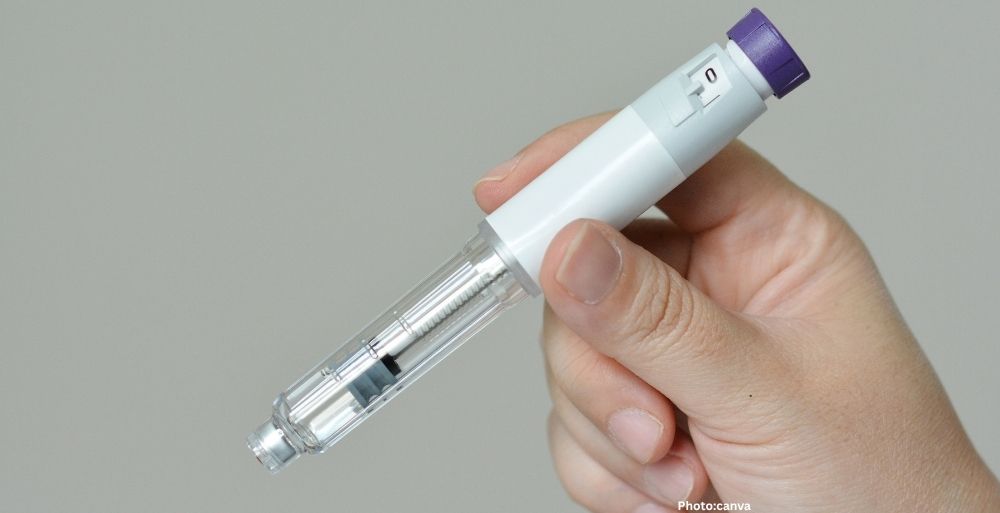
Recent clinical trials indicate that transitioning from high-dose injectable GLP-1 medications to lower doses or oral formulations can help individuals with obesity maintain significant weight loss over time.
In a series of clinical trials sponsored by Eli Lilly and Company, findings suggest that adults who switched from high-dose injectable obesity medications to either a lower maintenance dose or an oral GLP-1 pill are able to sustain significant weight loss over a one-year period. These findings offer potential new strategies for individuals struggling to maintain weight loss after intensive treatment, highlighting the importance of flexible maintenance options in obesity management.
The first trial, known as ATTAIN-MAINTAIN, followed participants who had previously completed the SURMOUNT-5 obesity trial, which tested the efficacy of tirzepatide, an active ingredient in the injectable drug Zepbound. In this trial, subjects who transitioned from high-dose Wegovy to the daily oral medication Foundayo reported regaining an average of only 0.9 kilograms (approximately 2 pounds) over the course of one year. Conversely, participants switching from high-dose Zepbound regained an average of about 5 kilograms (11 pounds) during the same timeframe. These results underscore the potential of lower-dose or oral formulations in aiding long-term weight management.
Context and Historical Background
Weight regain is a common challenge faced by individuals post-obesity medication treatment. Research indicates that on average, individuals may regain approximately 60% of their lost weight within a year of ceasing treatment. This recurring issue raises significant questions regarding the long-term necessity of obesity medications and their role in chronic weight management.
Obesity is increasingly recognized as a chronic disease rather than a mere result of lifestyle choices. This evolving understanding emphasizes the need for ongoing management strategies, and the recent findings reinforce the idea that transitioning to lower doses or oral medications could be a sustainable approach for long-term weight maintenance.
Details of the Trials
The second trial, SURMOUNT-MAINTAIN, focused on the effectiveness of maintaining weight loss with either a maximum tolerated dose (MTD) of tirzepatide or a lower 5-milligram (mg) dose. After an initial 60 weeks on the MTD, participants either continued with the MTD, switched to the lower dose, or received a placebo. Notably, those who maintained the MTD preserved all their prior weight loss over the one-year period, while participants who reduced their dosage maintained nearly all but 5.6 kg of their weight loss on average. These results resonate with clinical observations, suggesting that many patients can sustain their weight loss effectively with reduced doses of medication.
Dr. Mir Ali, a bariatric surgeon and medical director at MemorialCare Surgical Weight Loss Center, commented on the findings, stating, “These findings are not surprising. We’ve seen similar patterns with other GLP-1 medications, including oral semaglutide. A consistent theme across studies is that when patients stop these medications, weight regain is common. Therefore, continuing treatment helps preserve weight loss over time.” This statement highlights the critical role that ongoing treatment plays in weight management for individuals living with obesity.
Challenges and Implications
While the results of the trials appear promising, experts caution that the studies primarily evaluated participants who had previously responded favorably to treatment and tolerated the medications well. Common side effects associated with GLP-1 medications, notably gastrointestinal issues, may contribute to treatment discontinuation. This raises important questions about the durability of maintenance effects over extended periods and the specific patient populations that may benefit most from oral therapies.
The implications of these findings are substantial. Should long-term therapy be validated as necessary for maintaining health benefits, it could strengthen arguments for broader insurance coverage and increased access to these essential medications. Dr. Ali noted, “Data like this could play an important role in shifting how obesity treatment is viewed—both clinically and by insurers. If long-term therapy is shown to be necessary, it may strengthen the case for broader insurance coverage and more consistent access to these medications.” Such a shift in perspective could significantly reduce barriers to care and improve treatment outcomes for individuals living with obesity.
Conclusion
As obesity is increasingly recognized as a chronic medical condition requiring ongoing management, the findings from these trials suggest that lower-dose and oral GLP-1 therapies could provide valuable options for maintaining weight loss. While bariatric surgery remains the most effective option for long-term weight loss in appropriately selected patients, medication-based treatments are becoming an integral part of the obesity management landscape.
In summary, the recent clinical trials indicate that transitioning from high-dose injectable medications to lower doses or oral formulations may help individuals with obesity sustain significant weight loss over time. As research in this area progresses, it is essential to monitor long-term outcomes and identify the most effective strategies for individual patients. The ongoing study of GLP-1 medications underscores the importance of re-evaluating obesity treatment approaches to foster better health outcomes and enhance patient adherence to treatment plans.





No Comment! Be the first one.