





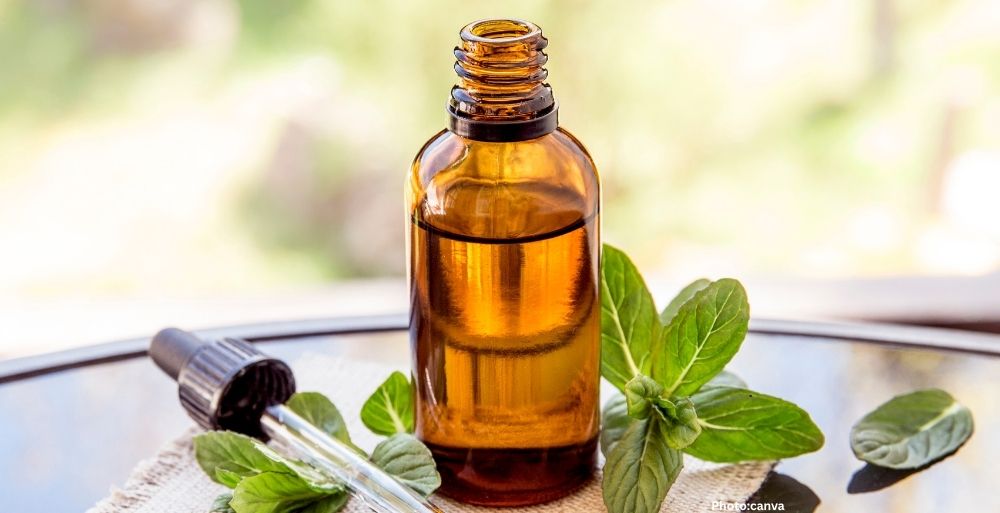
A recent study published in PLOS One indicates that peppermint oil supplements may provide an effective and affordable treatment option for adults with mild hypertension.
Researchers at the University of Lancashire have conducted a study suggesting that peppermint oil, derived from the leaves of the peppermint plant (Mentha × piperita), could serve as a natural remedy for individuals experiencing mild hypertension. The research, published in the journal PLOS One, highlights the potential for this inexpensive supplement as an alternative to conventional blood pressure medications.
The study involved 40 participants aged between 18 and 65 who were diagnosed with either prehypertension or stage 1 hypertension. These individuals were randomly divided into two groups: one group received peppermint oil, while the other was administered a placebo. The active group consumed a daily dose of 100 microliters (approximately 0.0034 fluid ounces) of peppermint oil twice a day over a 20-day period. The results showed a statistically significant reduction in systolic blood pressure, with an average decrease of 8.5 mmHg among those taking peppermint oil.
The Importance of Managing Hypertension
Hypertension, commonly referred to as high blood pressure, is a significant risk factor for cardiovascular diseases, including heart disease and stroke. According to the World Health Organization (WHO), an estimated 1.13 billion people globally are affected by hypertension, yet less than 20% of these individuals have their condition under control. The financial implications of managing hypertension are substantial, with healthcare systems spending vast amounts on treatment and associated complications.
Lead author Dr. Jonnie Sinclair, a Reader in Sport and Health Sciences, emphasized the gravity of the findings, stating, “High blood pressure is one of the biggest causes of heart disease and death worldwide, and it costs a huge amount of money to treat. Although medicines are commonly used to treat it, it’s not always clear how well they work in the long term, and they can cause unwanted side effects.” This highlights the pressing need for alternative therapies that may enhance treatment adherence and improve patient outcomes.
Study Methodology and Results
The research methodology included a comprehensive assessment of various health metrics beyond blood pressure, such as body measurements, blood test results, diastolic blood pressure (the lower number in blood pressure readings), heart rate, mental well-being, and sleep quality. In contrast to the placebo group, which exhibited minimal changes across these parameters, participants receiving the peppermint oil demonstrated significant improvements, particularly in systolic blood pressure.
Dr. Sinclair elaborated on the implications of the findings, stating, “Our findings were very positive, and they have significant clinical implications, especially given arterial hypertension is the most common preventable risk factor for cardiometabolic disease and the greatest single risk factor for global mortality.” This assertion underscores the potential of peppermint oil as a viable option for millions struggling with hypertension.
Current Approaches to Hypertension Treatment
Traditional treatment options for hypertension typically involve lifestyle adjustments and the use of pharmacological agents. However, many patients face challenges adhering to prescribed medications due to side effects or costs associated with long-term use. The introduction of peppermint oil as a low-calorie and cost-effective alternative could alleviate some of these obstacles and encourage more individuals to pursue treatment.
The global burden of hypertension necessitates innovative solutions, particularly in low-income regions where access to conventional medications may be limited. The study’s authors suggest that peppermint oil could serve as a beneficial treatment for millions who might otherwise remain untreated.
Future Research and Considerations
The encouraging results of this study prompt the need for further research to validate the long-term effectiveness and safety of peppermint oil in larger and more diverse populations. Future studies might also investigate the specific mechanisms by which peppermint oil influences blood pressure and other cardiovascular outcomes.
Additionally, while the initial findings are promising, researchers emphasize the importance of considering peppermint oil as a complementary treatment rather than a complete replacement for standard hypertension management protocols. As with any supplement, individual responses may vary, and patients should consult healthcare professionals before altering their treatment regimens.
Conclusion
As the global health community continues to explore innovative and accessible solutions to manage hypertension, the research surrounding peppermint oil presents a promising avenue for future exploration. The study, titled “Effects of peppermint (Mentha x piperita L.) oil on cardiometabolic outcomes in patients with pre- and stage 1 hypertension: A placebo randomized controlled trial,” offers insights into a potentially effective and affordable approach to managing high blood pressure.




No Comment! Be the first one.