





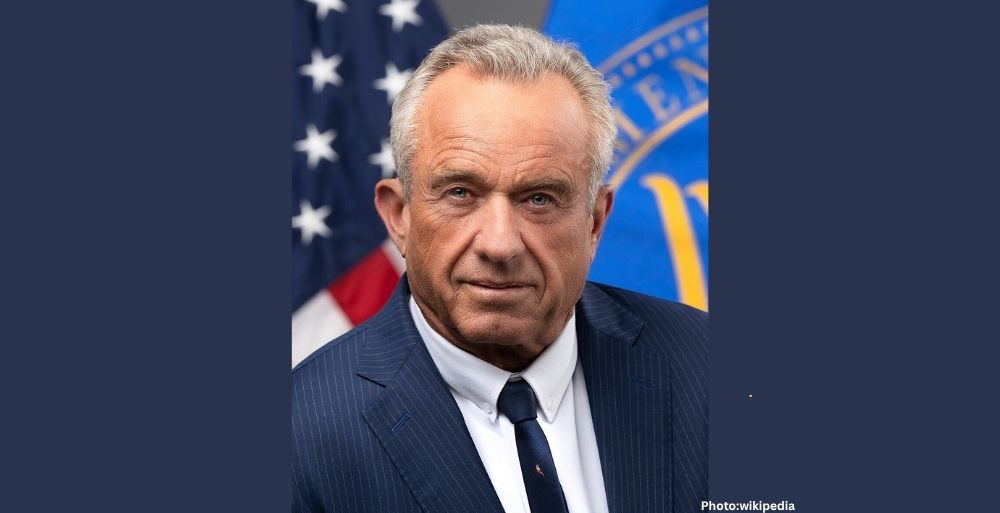
A recent decision by Health Secretary Robert F. Kennedy Jr. to terminate the appointments of the two leaders of the U.S. Preventive Services Task Force has raised concerns about the future of preventive healthcare guidelines in the United States.
In a significant move that has garnered widespread attention, Health Secretary Robert F. Kennedy Jr. has dismissed Drs. John Wong and Esa Davis, the chair and vice chair, respectively, of the U.S. Preventive Services Task Force (USPSTF). The termination letters, dated May 11, were communicated to the doctors without prior warning or detailed explanation, abruptly cutting short their multiyear terms on this influential panel that plays a crucial role in determining preventive healthcare guidelines for millions of Americans.
The USPSTF, established in the 1980s, is composed of a group of experts tasked with evaluating the latest scientific evidence regarding various preventive healthcare measures. These measures include routine screenings for diseases such as cervical cancer and heart disease, as well as counseling for lifestyle modifications like smoking cessation. The recommendations made by the task force are pivotal, as they influence insurance coverage for preventive services under the Affordable Care Act (ACA). Specifically, the ACA mandates that most insurance plans cover services that receive an “A” or “B” grade from the task force without imposing co-pays on patients, thereby making preventive healthcare more accessible to the public.
Departmental Oversight and Recent Actions
Over the past year, the Department of Health and Human Services (HHS) has significantly sidelined the task force, postponing scheduled public meetings and leaving crucial updates, including those related to cervical cancer screenings and maternal depression guidelines, in limbo. This lack of activity has prompted concerns from various health advocates and stakeholders regarding the future direction and integrity of the task force’s work.
Kennedy’s letters to Wong and Davis acknowledged their contributions to the task force, stating that their leadership had advanced the group’s mission of improving public health. However, he did not provide a rationale for their dismissal nor address the immediate implications of such a decision. An HHS spokesperson did not respond to inquiries seeking clarification on the firings, further complicating the situation for those seeking transparency in the decision-making process.
Reform and Transparency Initiatives
In recent testimony before lawmakers, Kennedy expressed his intention to reform the task force, describing its previous operations as “lackadaisical.” He indicated a desire to increase the frequency of meetings and ensure greater transparency in the task force’s processes. This includes conducting public meetings, allowing opportunities for public comment on draft guidelines, and publishing the scientific evidence that underpins their recommendations.
However, the abrupt leadership changes have raised alarms among health advocates who fear that the task force may be supplanted by politically appointed members lacking the requisite expertise. Concerns have been particularly heightened following Kennedy’s earlier overhaul of a critical vaccine advisory committee, where experienced health professionals were replaced with political figures, raising questions about the influence of politics over science.
Former task force chairman Dr. Michael Silverstein, a pediatrician, voiced his apprehension over the current state of the task force, stating, “This is a level of government intrusion into scientific processes that I’ve not experienced in my 10 years on the task force.” His remarks highlight the broader unease within the public health community regarding the influence of political considerations over scientific decision-making.
Implications for Preventive Healthcare Guidelines
The task force operates on a staggered appointment system, which typically allows health secretaries to make regular appointments without disrupting the continuity of the panel. This structure is designed to maintain a balance between new insights and established expertise, facilitating a thorough review process for preventive health recommendations. Aaron Carroll, a representative from the nonpartisan health policy group AcademyHealth, emphasized that the recent firings could disrupt this balance and undermine the task force’s ability to function effectively.
The implications of these changes extend beyond the immediate leadership of the task force. As the panel is responsible for providing evidence-based recommendations that guide preventive healthcare practices, any perceived politicization of its processes could lead to significant shifts in how preventive services are implemented and funded across the country. This could particularly affect low-income populations who rely heavily on preventive services covered under the ACA.
Public Health Community’s Response
The healthcare landscape is continuously evolving, and the future direction of the USPSTF will be closely monitored by healthcare professionals, policymakers, and the American public alike. The ongoing dialogue surrounding this situation underscores the critical importance of maintaining scientific integrity in public health decision-making. Health advocates are urging Congress to ensure that any future appointments to the task force prioritize expertise and independence, rather than political affiliation.
In conclusion, the recent firings of Wong and Davis signal a potentially transformative period for the USPSTF, raising questions about the balance between scientific rigor and political influence in the realm of public health. Observers from across the spectrum will be watching closely to see how Kennedy’s promised reforms unfold, and whether they will ultimately serve to enhance or hinder the mission of the task force to improve the health of the nation.






No Comment! Be the first one.