





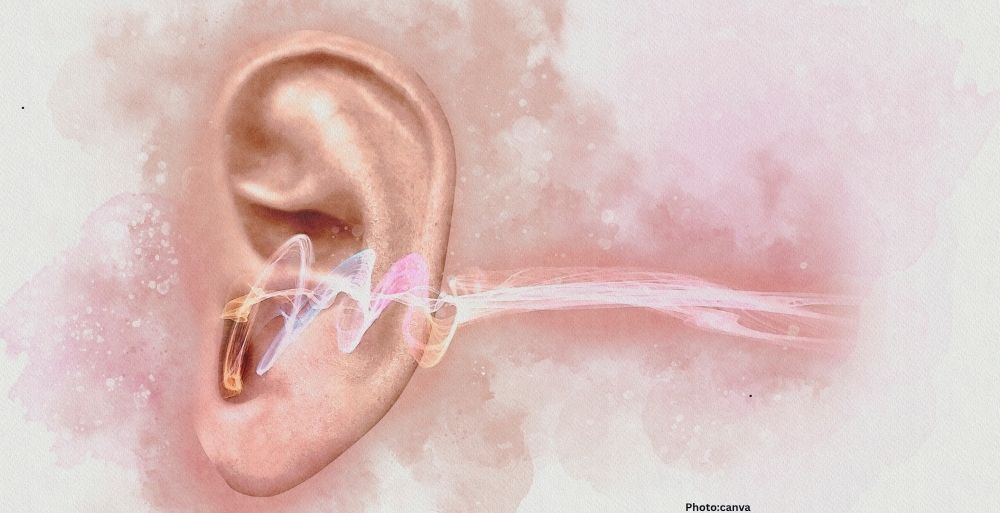
Approximately 1% to 4% of the population experiences synaesthesia, a neurological phenomenon that causes the activation of one sensory pathway to trigger perceptions in another, resulting in unique experiences such as tasting words or seeing colors in response to sounds.
Synaesthesia, a rare and intriguing neurological phenomenon, affects an estimated 1% to 4% of individuals globally, revealing a fascinating interplay between sensory perceptions. Those who experience this condition, known as synaesthetes, may encounter a world where sounds elicit colors, words produce tastes, or even where witnessing someone being touched evokes a sensation on their own body. This phenomenon serves as a compelling reminder that human perception is neither uniform nor fixed, highlighting the complexity and diversity of sensory experiences.
What is Synaesthesia?
Individuals with synaesthesia often report a blending of sensory modalities, leading to experiences that can be both vivid and involuntary. Research indicates that synaesthesia may be more prevalent among women, though this could be influenced by genetic predispositions or sampling biases in studies. The condition encompasses various forms, with auditory-visual synaesthesia being one of the most documented. This type allows individuals to see colors, shapes, or patterns when they hear specific sounds.
Another commonly reported variant is grapheme-color synaesthesia, where letters or numbers trigger color associations. For instance, a person might consistently perceive the letter “A” as red, a perception that remains stable over time. Additionally, mirror-touch synaesthesia enables individuals to feel sensations on their own bodies when they observe another person experiencing touch. These experiences are not controlled by the individual; rather, they occur spontaneously and consistently, providing a unique lens through which synaesthetes navigate the world.
It is essential to note that synaesthesia is not classified as a disorder or illness. Most individuals with this condition report that it does not impede their daily lives and often remain unaware of their synaesthetic perceptions, as these experiences are simply part of their normal sensory processing. However, some synaesthetes may find their experiences overwhelming. For example, individuals who experience pain upon witnessing someone else in distress may find certain environments, such as busy public places or movie theaters, particularly challenging.
Potential Causes of Synaesthesia
The precise causes of synaesthesia remain a topic of ongoing research and debate, with scientists proposing two primary theories. The first, known as the cross-activation theory, suggests that individuals with synaesthesia possess more robust neural connections between different regions of the brain. This phenomenon may result from the brain’s failure to prune unused connections during development—a process called synaptic pruning that typically enhances cognitive efficiency.
Under this theory, a person with grapheme-color synaesthesia might have direct connections between the areas of the brain responsible for recognizing letters and those that process color. Consequently, when they encounter a letter, they simultaneously perceive it as a specific color. This interconnectedness indicates that synaesthesia may arise from a unique neural architecture that enhances sensory integration.
The second theory posits that synaesthetes have similar neural pathways to non-synaesthetes, but the pathways in synaesthetes may be more active or stronger. This suggests that while everyone utilizes their brain’s sensory connections, synaesthetes experience heightened or different activation of these connections. This theory emphasizes that synaesthesia may not stem from a distinct brain structure but rather from an alternative mode of sensory engagement.
Synaesthesia and Creativity
Anecdotal evidence frequently suggests a correlation between synaesthesia and creativity. Prominent figures in the arts, such as painter Wassily Kandinsky and musician Lorde, have described synaesthetic experiences that inform their creative processes. A survey conducted among Australian synaesthetes revealed that about 24% work in creative professions, including artists, musicians, architects, and graphic designers. This figure starkly contrasts with less than 2% of the general population engaged in similar fields, suggesting a potential link between synaesthesia and enhanced creative thinking.
One potential explanation for this relationship is that synaesthetes form associations between ideas and sensations in unconventional ways, which could stimulate creative thought processes. Some studies indicate that individuals with certain types of synaesthesia may possess enhanced memory capabilities or more vivid imaginations, although these traits vary among individuals and contexts.
Implications of Synaesthesia Research
The study of synaesthesia offers profound insights into the workings of the human brain and how individuals construct perceptions of reality. It underscores the notion that perception is not a static experience but rather a dynamic process shaped by individual neurological configurations. Understanding synaesthesia can deepen our appreciation for sensory integration and cognitive diversity, shedding light on the varied ways humans experience the world.
As research into synaesthesia continues, it promises to unveil further aspects of human cognition and sensory experience. Investigating this phenomenon not only enhances our understanding of neurology but also invites broader discussions about the nature of creativity and the intricacies of human perception. By exploring how different sensory modalities can interconnect, scientists may develop new frameworks for understanding the human experience and the neurological basis of creativity.
In conclusion, synaesthesia serves as a powerful reminder of the complexity of human perception, reinforcing the idea that our experiences of the world are not universally shared. By further exploring this neurological phenomenon, we may gain invaluable insights into the workings of the mind and the nature of human creativity.





No Comment! Be the first one.